
How To
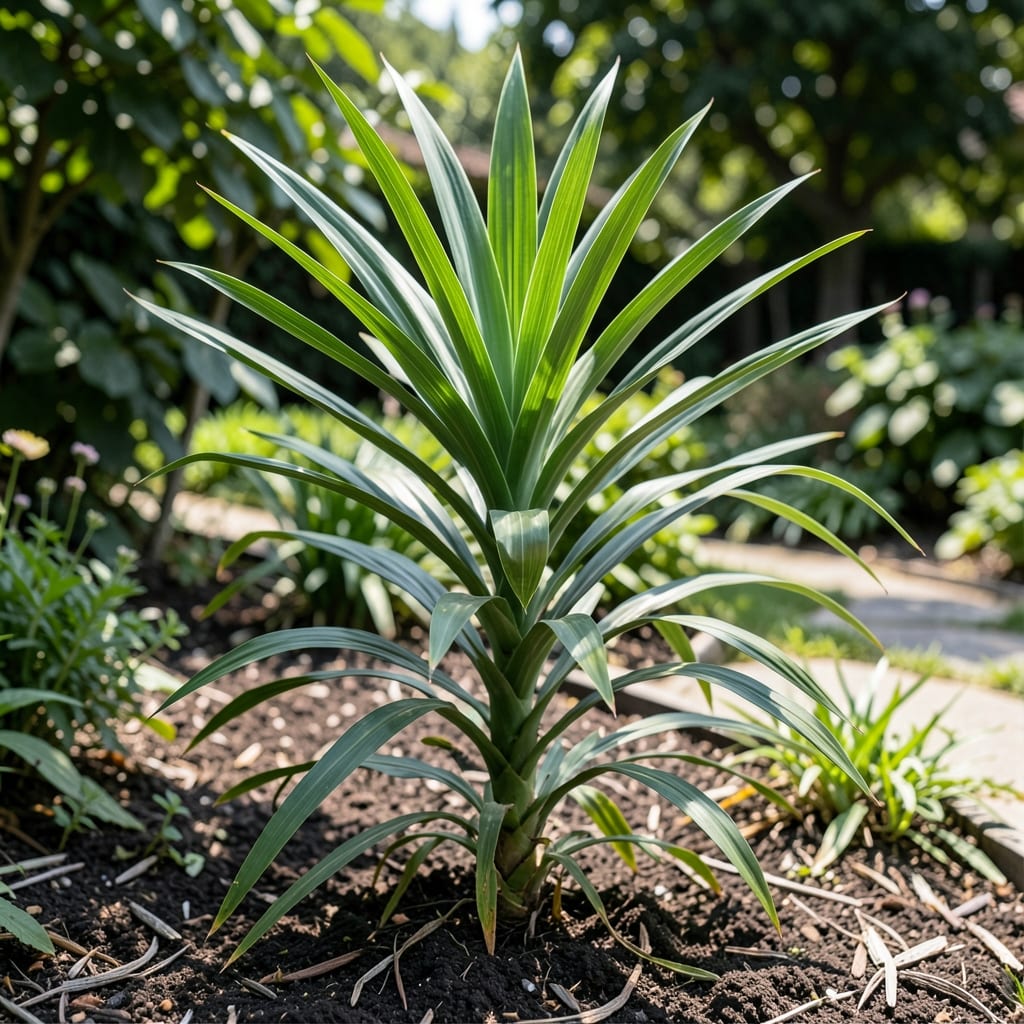
If you’ve ever wondered how tall can lemongrass grow in your garden, the answer might surprise you—because this fragrant 🌿 grass can stretch from just 3 feet to towering over 6 feet, depending on the variety and care you provide.
Most home gardeners assume all lemongrass stays short, but the truth is that with the right conditions—like 6a climate and proper pruning—your stalks could reach heights that rival your front door. The key lies in understanding which varieties thrive in your space and how to nurture them for maximum growth.
In this guide, I’ll break down the height ranges for common types, share pruning secrets to encourage (or control) growth, and reveal the most important care tips to keep your lemongrass lush and productive. Whether you’re planting in spring or troubleshooting a stunted plant, you’ll learn how to coax the best results from your garden.
Ready to transform your lemongrass from a modest 3-foot bush into a 6-foot powerhouse? Let’s dive into the science—and simple tricks—that make all the difference.

Lemongrass height by variety: from dwarf to giant stalks
Not all lemongrass grows the same height—some varieties stay compact while others reach towering proportions. The most common type, Cymbopogon citratus, typically matures between 4 to 6 feet, but with ideal conditions, it can even surpass 7 feet. Meanwhile, tropical varieties like Cymbopogon flexuosus (also called East Indian lemongrass) can grow 8 to 10 feet tall, making them perfect for large gardens or containers.
If you're growing lemongrass in USDA Zone 6a or cooler climates, expect slightly shorter heights—around 3 to 5 feet—due to shorter growing seasons. In warmer regions, like Zones 9-11, lemongrass thrives year-round and can reach its full height potential faster. The key difference? Sunlight exposure and temperature play huge roles in determining how tall your plant will grow.
Here’s a quick breakdown of what to expect from popular varieties, including their mature heights and ideal growing conditions:
| Variety | Mature Height | Climate Adaptation | Notes |
|---|---|---|---|
| Cymbopogon citratus | 4–6 ft | Tropical to warm temperate | Most common; great for cooking |
| Cymbopogon flexuosus | 6–10 ft | Tropical only | Strong citrus scent; needs heat |
| Cymbopogon nardus | 3–5 ft | Temperate to subtropical | Dwarf variety; milder flavor |
| Dwarf hybrids | 2–3 ft | Container-friendly | Ideal for small gardens |
The height of your lemongrass isn’t just about the variety—it’s also about how you care for it. For example, Cymbopogon flexuosus, which can grow up to 10 feet, needs full sun and consistent moisture to reach its maximum height. If you’re growing it in a container, expect it to stay shorter—around 4 to 6 feet—unless you prune it aggressively to encourage vertical growth.
One common misconception is that all lemongrass grows tall naturally. In reality, many varieties stay 3 to 4 feet if they don’t get enough sunlight or nutrients. For instance, Cymbopogon nardus, a dwarf variety, rarely exceeds 5 feet unless given perfect growing conditions. If your lemongrass is staying short, check your soil quality, watering routine, and sunlight exposure—these factors can make or break your plant’s height potential.
For home gardeners in Zone 6a, where winters can be harsh, focus on hardier varieties like Cymbopogon citratus and use mulch to protect roots during colder months. Even then, expect slower growth in the first year, with heights around 3 to 4 feet. By the second year, with proper care, your plant can reach 5 to 6 feet—or even taller if you’re in a warmer microclimate.
If you’re growing lemongrass for culinary use, the height of the plant doesn’t always correlate with flavor intensity. For example, a 4-foot Cymbopogon citratus can produce just as much aromatic oil as a 6-foot specimen. However, taller plants often yield more harvestable stalks, giving you a bigger bounty for soups, teas, and garnishes. The trick is to harvest regularly to encourage bushier growth and prevent your plant from becoming too leggy.
Pro tip: If you’re short on space but want tall lemongrass, try growing it vertically using a trellis or stakes. This not only saves garden real estate but also helps the plant channel its energy upward, resulting in longer, straighter stalks. Just
🌱
How pruning affects lemongrass height and yield
Pruning is the secret weapon for controlling lemongrass height and boosting yield—whether you want a compact 3-foot plant or a towering 6-foot giant. The right cuts at the right time can encourage thicker stalks, more leaves, and even taller growth, while poor pruning can stunt your plant or leave it vulnerable to disease.
Most gardeners make one critical mistake: cutting too low or at the wrong time. Lemongrass has a basal growth habit, meaning new shoots emerge from the base. If you trim too aggressively, you risk removing the growth points entirely, slowing down—or even stopping—future height gains.
For maximum height, focus on selective pruning. Instead of shearing the entire plant, snip individual stalks 2-3 inches above the base when they reach 2-3 feet tall. This encourages the plant to redirect energy into producing new, taller stalks while preserving the root system.
⚠️ Warning: Pruning Mistakes That Stunt Growth
- Cutting too low: Removes growth points, halting new shoots.
- Pruning in winter: Slows recovery in cold climates (USDA Zone 6a).
- Using dull tools: Crushed stems invite fungal infections.
- Over-pruning: Stress weakens the plant, reducing height potential.
Avoid these pitfalls to keep your lemongrass thriving and reaching its full 4-6 foot potential.
Timing matters just as much as technique. Prune in spring or early summer when the plant is actively growing. Avoid heavy cuts in late summer or fall, as the plant needs energy to store nutrients for winter. If you live in Zone 6a, a light trim in September can help harden the plant before frost.
For taller lemongrass, let a few stalks grow untrimmed until they reach 4-5 feet. These will produce the longest leaves and stems, perfect for harvesting. Just be sure to harvest selectively—removing only what you need—to avoid overstressing the plant.
Pro tip: Use sterilized pruners and cut at a 45-degree angle to prevent disease. After pruning, water deeply to help the plant recover. With the right approach, you’ll see 30-50% taller growth in just one season.