
Trees
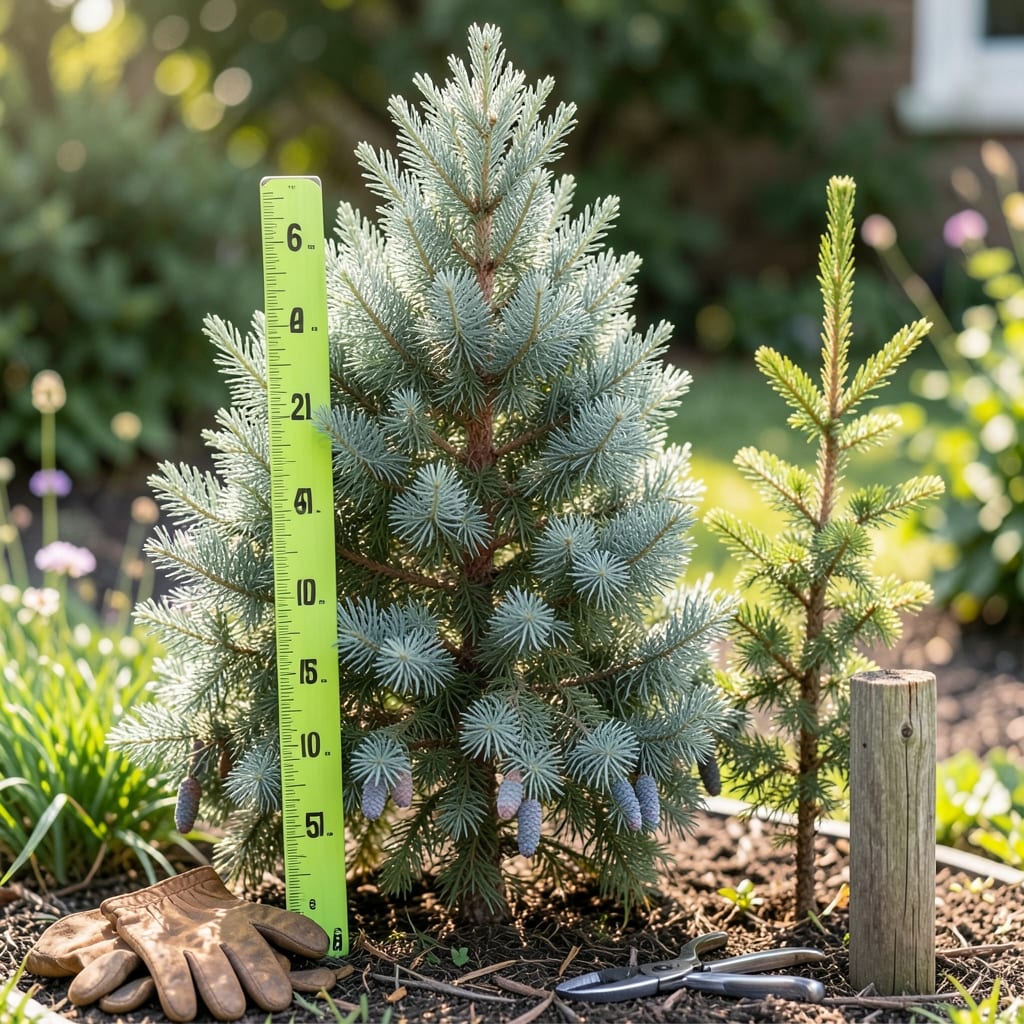
If you’ve ever wondered how tall can juniper trees grow, the answer might surprise you—these evergreen wonders can range from a compact 3 feet to towering heights of over 40 feet, depending on the species. Whether you're dreaming of a privacy hedge or a low-maintenance shrub, knowing the growth potential of junipers is the first step to creating the perfect landscape.
Juniper trees like the 🌲 common juniper or the blue rug juniper offer something for every space, from urban patios to sprawling rural properties. Some varieties grow slowly, making them ideal for small yards, while others reach their full height in just a few decades. The key to maximizing their potential lies in understanding their natural growth habits and how your climate plays a role.
In this guide, I’ll break down the height ranges of popular juniper species, share tips for controlling growth through pruning and spacing, and help you choose the perfect variety for your landscape. Whether you're in USDA Zone 6a or beyond, you’ll learn how to nurture these hardy trees to their full potential—without sacrificing your outdoor vision.
Ready to discover which juniper will thrive in your space? Let’s dive into the details so you can plant with confidence and enjoy years of lush, green beauty.

Juniper tree height by species: from dwarf to towering giants
When planning your landscape, the height of juniper trees is one of the first things to consider. These evergreens come in a stunning range of sizes, from tiny ground covers to towering giants. The blue rug juniper, for example, stays under 3 feet, perfect for edging or rock gardens, while the Eastern red cedar can soar to 40 feet, making it ideal for privacy screens. Understanding these differences ensures you pick the right variety for your space.
Most junipers fall into three broad categories: dwarf varieties (3–10 feet), semi-dwarf varieties (10–15 feet), and standard trees (15–40 feet). Each category serves a unique purpose, whether you're filling a small corner or creating a windbreak. Let’s explore the most popular species and their mature heights to help you make an informed decision.
🌱 Visual Guide: Juniper Tree Heights by Species
| Variety | Mature Height (ft) | Growth Rate | Best For |
|---|---|---|---|
| Blue Rug Juniper | 2–3 ft | Slow | Ground cover, rock gardens |
| Creeping Juniper | 1–3 ft | Very slow | Slopes, erosion control |
| Sargent Juniper | 10–15 ft | Moderate | Hedges, small screens |
| Common Juniper | 15–30 ft | Moderate | Specimen trees, wildlife habitat |
| Eastern Red Cedar | 30–40 ft | Fast | Privacy screens, windbreaks |
| Skyrocket Juniper | 10–12 ft | Moderate | Vertical accents, narrow spaces |
The blue rug juniper and creeping juniper are my top picks for small spaces, offering vibrant color and minimal upkeep. Their slow growth means they’ll never outgrow their welcome, making them perfect for rock gardens or container planting. Meanwhile, the Eastern red cedar is a powerhouse for larger properties, providing year-round privacy and wildlife benefits.
If you’re aiming for a balanced height—say, between 10 and 15 feet—the Sargent juniper or Skyrocket juniper are excellent choices. These varieties grow at a steady pace, allowing you to shape them into hedges or focal points without waiting decades for maturity. Their upright forms also make them ideal for border plantings or foundation plantings around homes.
For those with ample space, the common juniper and Eastern red cedar deliver dramatic results. These trees thrive in open landscapes and can create stunning focal points or serve as natural windbreaks. Just be prepared for their rapid growth—some varieties can add 2 feet per year under ideal conditions!
When selecting a juniper, consider not just its height but also its spread and growth habit. Some varieties, like the common juniper, develop a broad, rounded canopy, while others, such as the Skyrocket juniper, grow in a narrow, columnar shape. This distinction is crucial for spacing and ensuring your trees have room to thrive without crowding each other.
Pro tip: Always check the mature height and spread of a juniper before planting. A tree that’s 15 feet tall at maturity might seem perfect for your yard, but if it also spreads 10 feet wide, it could quickly overwhelm a small garden. Plan accordingly to avoid future pruning headaches!
Finally, don’t forget that climate plays a role in how tall your juniper will grow. In cooler climates, like USDA Zone 6a, junipers may grow more slowly but reach their full potential over time. In warmer zones, they often grow faster, so keep an eye on their expansion to maintain your desired landscape design.
With this guide, you’re now equipped to choose the perfect juniper for your space—whether you’re dreaming of a <
Factors that determine how tall your juniper will grow
When planning your juniper planting, remember that genetics play the biggest role in determining height—some varieties are naturally dwarfed, while others reach towering proportions. However, your climate zone, soil quality, and care practices can significantly influence how close your juniper stays to its potential height.
For example, junipers in USDA Zone 6a may grow more slowly than those in warmer climates, where they can thrive year-round. Meanwhile, well-draining soil prevents root rot, allowing roots to spread and support taller growth, while poor drainage can stunt a juniper’s height over time.
Here’s how each factor impacts your juniper’s height—so you can make informed decisions before planting:
🌱 Key Factors Influencing Juniper Height
- Genetics: Dwarf varieties (e.g., Blue Rug) max out at 3 feet, while Eastern Red Cedar can reach 40 feet.
- Sunlight: Full sun (6+ hours) encourages faster, taller growth than partial shade.
- Watering: Overwatering causes root rot, while deep but infrequent watering supports healthy height.
- Pruning: Regular pruning keeps junipers compact, while neglect allows them to grow to their full height.
- Soil: Sandy or rocky soil promotes taller growth; clay soil can restrict root development.
Pro Tip: Test your soil’s drainage before planting—junipers hate soggy roots!
If you’re aiming for a taller juniper, prioritize well-draining soil and full sun exposure. For a shorter, bushier look, prune regularly and plant in partial shade. Even genetic dwarfs like the Sargent Juniper (max 5 feet) can stretch taller if given ideal conditions.
Your local climate also matters—junipers in arid regions often grow taller due to less competition for water, while those in humid areas may stay shorter. Always check your USDA zone to match the juniper’s hardiness to your location.
Finally, spacing is critical: Plant tall junipers 10–15 feet apart to avoid overcrowding, which can stunt growth. For dwarf varieties, 3–5 feet of space is plenty. Proper spacing ensures each tree reaches its full potential height without competing for nutrients.
By understanding these factors, you’ll be able to control your juniper’s height—whether you’re aiming for a privacy screen or a low-maintenance shrub. The right conditions make all the difference! 🪴