
How To
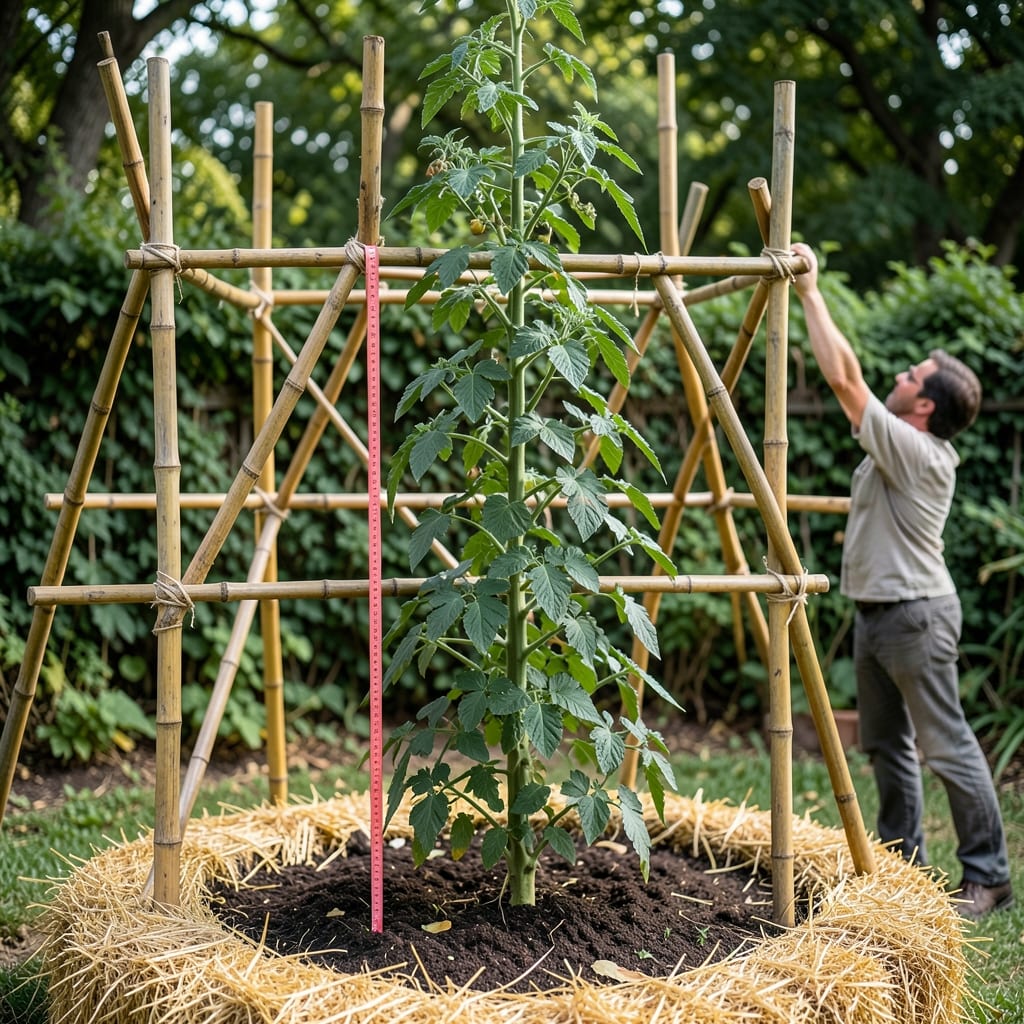
If you’ve ever watched the indeterminate tomatoes spiral upward like a jungle vine, you’ve probably wondered: how tall can these giants really grow? The answer might surprise you—some varieties reach heights that defy expectations, but without the right support, they’ll collapse under their own weight like a house of cards.
These 🍅 powerhouses can climb to 15 feet or more, far surpassing even the tallest basketball hoop. But here’s the catch: their growth isn’t just about height—it’s about balance. Too much vertical expansion without proper care leads to broken stems, disease, and wasted fruit. The key lies in understanding when to guide their growth and when to rein it in.
In this guide, I’ll break down the science behind their skyward reach, share proven techniques to maximize height without sacrificing yield, and reveal the 3 biggest mistakes gardeners make that stunt their tomato’s potential. Whether you’re a seasoned grower or a first-timer, these insights will help you turn your vine into a productive, towering fruit factory.
Ready to unlock the secrets of indeterminate tomato growth? Let’s dive into how to harness their natural climbing instincts while keeping your plants—and your harvest—thriving.


Indeterminate tomato growth limits: how tall can they really get?
Indeterminate tomatoes are the growth champions of the garden world, capable of reaching unbelievable heights if given the right conditions. Unlike their determinate cousins that grow to a fixed size, indeterminate varieties keep producing new leaves, stems, and flowers all season long. This endless growth potential is what makes them so fascinating—and sometimes overwhelming—for gardeners.
In ideal conditions, these vines can climb 15 feet or more, with some record-breaking varieties like 'Cherokee Purple' or 'Brandywine' surpassing 20 feet in professional settings. The key difference? Their genetic programming allows them to grow indefinitely until frost stops them. Without proper support, however, their own weight can cause stem breakage or disease from poor airflow.
Here’s the science behind their height: indeterminate tomatoes grow through a process called apical dominance, where the main stem continues elongating until it’s pruned. Each leaf axil produces new shoots, creating a bushy, sprawling vine if left unchecked. In USDA Zone 6a, where frost-free days average 165 days, these vines can grow 1-2 feet per week during peak season (June-August).
Seasonal variations play a huge role. Early in the season, growth is slower as the plant establishes roots. By mid-summer, with consistent sunlight and proper watering, vines can shoot up 6-12 inches weekly. Late-season growth slows as days shorten, but with greenhouse extensions, some gardeners push vines to 25 feet or taller.
Fun fact: The world record for tallest tomato vine belongs to a 25-foot 'Brandywine' grown in a controlled environment. While home gardeners won’t hit that mark, 10-15 feet is achievable with the right techniques. The challenge? Balancing height with fruit production—too much vertical growth can mean fewer tomatoes if energy isn’t directed to flowering.
Indeterminate Tomato Growth Comparison
| Growth Factor | Typical Range | Record Potential | Key Influencer |
|---|---|---|---|
| Height (First Year) | 6–12 ft | 20+ ft (controlled) | Pruning + Support |
| Growth Rate (Peak) | 1–2 ft/week | 3+ ft/week (greenhouse) | Sunlight + Fertilizer |
| Fruit Production | Moderate (if pruned) | High (if balanced) | Pruning Schedule |
| Lifespan | 1 growing season | N/A (annual) | Frost Sensitivity |
| Support Needs | Essential (stakes/trellis) | Heavy-duty (for 20+ ft) | Vine Weight |
Data based on USDA Zone 6a with optimal care
One common misconception is that taller indeterminate tomatoes always mean more fruit. In reality, uncontrolled growth can lead to overcrowded foliage, reducing airflow and increasing disease risk. The sweet spot? A balanced vine with pruned suckers (side shoots) to redirect energy to fruit-bearing branches. This technique can keep vines at 8-10 feet while maximizing yield.
For gardeners in small spaces, dwarf indeterminate varieties like 'Tiny Tim' (3-4 ft) offer a compromise. They grow vertically but stay manageable for container gardening. Even these smaller varieties benefit from vertical training, as it improves fruit quality and ease of harvest. The trade-off? They won’t reach the sky-scraping heights of their larger cousins.
Soil quality is another height game-changer. Indeterminate tomatoes thrive in well-draining, nutrient-rich soil with a pH of 6.0-6.8. Amend your soil with compost and a balanced fertilizer (5-10-10) at planting, then top-dress monthly. Poor soil can stunt growth by 30-50%, leaving vines leggy and weak.
If you’re dreaming of 15-foot tomato towers, start with heirloom varieties known for vigor, like 'Black Krim'
Indeterminate tomato growth limits: how tall can they really get?
Indeterminate tomatoes are the Houdinis of the garden, defying height limits with their relentless vertical growth. Unlike their determinate cousins, which max out at 4-5 feet, these vines keep climbing—sometimes reaching 15 feet or more if given the right conditions. The record? A whopping 20-foot vine documented in Texas, though most gardeners see heights between 8-12 feet with proper care.
The secret lies in their genetic growth habit. Indeterminate varieties grow indefinitely until frost or disease stops them. Each new stem (called a sucker) can add another 1-2 feet of height per season, with some varieties like 'Sungold' or 'Cherokee Purple' pushing the limits harder than others. Their growth rate? A staggering 1-2 inches per day during peak season—faster than most gardeners can prune!
But here’s the catch: their height isn’t just about genetics. Sunlight exposure, temperature, and nutrient availability all play critical roles. In USDA Zone 9+, where frost comes late, these vines can keep growing for months, while in cooler climates, they may top out at 6-8 feet by early fall. The key is balancing their upward reach with structural support—without it, they’ll flop like overgrown spaghetti.
Don’t let their height fool you—these vines need strategic management. Without pruning, they’ll focus energy on vertical growth instead of fruit production. The 3-4 main stems you leave (after removing suckers) should be your priority, as they’ll bear the most tomatoes per square foot. Pro tip: If you’re growing in containers, limit height to 5-6 feet—their roots can’t support more without risking collapse.
Seasonal variations also matter. Early in the season, growth is slower as the plant establishes roots. By mid-July, when days shorten, indeterminate tomatoes shift focus to flowering and fruiting—this is when you’ll see the most dramatic height spikes. In my own garden, my 'Brandywine' vine shot up 3 feet in just 3 weeks during this phase, proving how quickly these giants can change.
So, how tall can they really grow? The answer is as tall as you’re willing to manage. With the right support, pruning, and care, you can push them to 15 feet or beyond—but remember, every extra foot requires extra effort to keep them productive. The reward? A vertical fruit factory that turns your garden into a lush, towering tomato jungle.