
Flowers
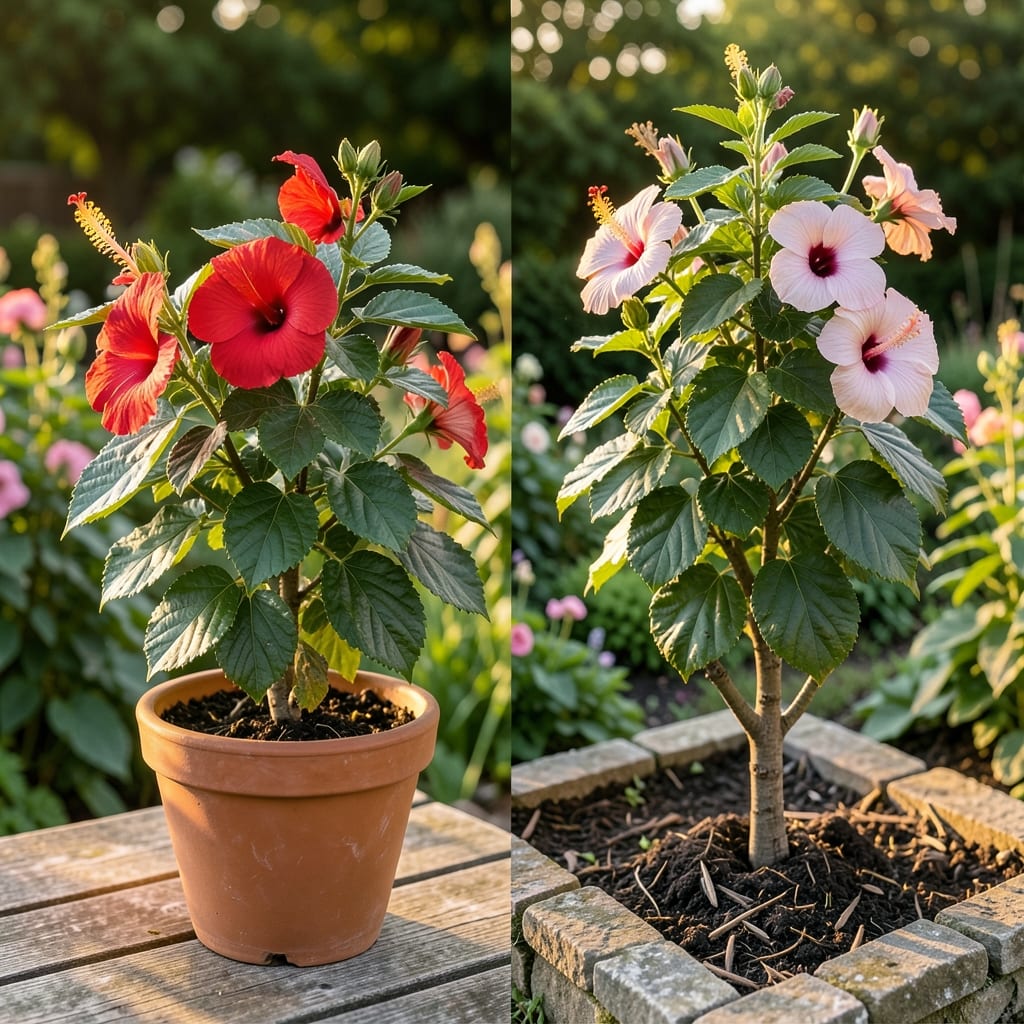
Wondering how tall can hibiscus grow in your garden? These stunning 🌸 plants can surprise you—some varieties stretch toward the sky like small trees, while others stay neatly contained in containers. Whether you're planning a bold backyard statement or a compact patio display, understanding their growth habits is key to making the right choice.
The answer depends on the type: tropical hibiscus can soar to 10-15 feet in warm climates, while hardy varieties typically max out around 6 feet. Even dwarf species offer vibrant blooms without the towering reach. I’ll break down exactly what to expect based on your climate zone and how to keep them at your desired height.
Location matters too—hibiscus planted in zone 6a (like many U.S. gardens) may need extra care to thrive, but with the right pruning and support, you can shape their growth to fit your space perfectly. Let’s explore how to get the most out of your hibiscus, no matter how much room you have.
From pruning tips to container gardening hacks, you’ll discover 5 easy ways to control their height while keeping those show-stopping blooms coming. Ready to transform your garden with these versatile plants? Let’s get started.


Hibiscus height by variety: dwarf vs. tall species compared
When choosing hibiscus for your garden, height is one of the first factors to consider. These tropical beauties come in dwarf varieties perfect for containers and towering shrubs that need room to spread. The average hibiscus height ranges from 3 to 15 feet, but the variety you pick will determine whether you're dealing with a compact bush or a small tree.
For example, dwarf hibiscus varieties like 'Pixie' or 'Lima' stay between 3 to 5 feet tall, making them ideal for small gardens, patios, or even large pots. Meanwhile, standard tropical hibiscus like 'Hawaiian' or 'Summerific' can reach 8 to 12 feet tall when grown in optimal conditions. Knowing these differences helps you plan your garden layout effectively.
Here’s what you need to know about hibiscus height by variety:
| Variety | Mature Height | Growth Habit | Best For |
|---|---|---|---|
| Dwarf Hibiscus (e.g., 'Pixie', 'Lima') | 3–5 ft | Compact, bushy | Containers, small gardens, patios |
| Semi-Dwarf Hibiscus (e.g., 'Lord Baltimore', 'Disco Belle') | 5–8 ft | Upright, spreading | Borders, foundation plantings |
| Standard Tropical Hibiscus (e.g., 'Hawaiian', 'Summerific') | 8–15 ft | Tree-like, fast-growing | Privacy screens, large gardens, tropical landscapes |
| Hardy Hibiscus (e.g., 'Arctic Sun', 'Luna') | 4–6 ft | Bushy, cold-tolerant | Cold climates, perennial borders |
If you're wondering how tall hibiscus grow in containers, dwarf and semi-dwarf varieties thrive in pots, often staying 1–2 feet shorter than their in-ground counterparts. For example, a 'Pixie' hibiscus in a 15-gallon pot might only reach 3 feet tall instead of 5 feet. Container growth is limited by root space, so choose pots with drainage holes and use a well-draining potting mix.
For those in warmer climates (USDA Zones 8–11), tropical hibiscus varieties can grow even taller—sometimes exceeding 12 feet—if given plenty of sun and nutrients. In contrast, hardy hibiscus varieties (like those suited for Zones 5–9) typically max out at 6 feet and may even die back to the ground in winter before regrowing in spring.
Another key factor is pruning habits. Regular pruning can keep even tall varieties manageable. For instance, if you prune a 10-foot tropical hibiscus back by one-third each year, you can maintain it at a more compact 6–8 feet. This is especially useful for gardeners with limited space but who love the dramatic blooms hibiscus offers.
When selecting hibiscus for your garden, consider not just height but also spread and bloom size. Some varieties, like 'Lord Baltimore,' have large, showy flowers but a more compact form, while others, like 'Summerific,' produce smaller blooms in abundance and grow taller. Matching the variety to your space ensures both beauty and practicality.
For urban gardeners or those with small yards, dwarf hibiscus in containers are a game-changer. They bring the same vibrant colors and tropical vibes without overwhelming your space. Just ensure they get at least 6 hours of sunlight daily and consistent moisture to thrive in pots.
If you're planning a hibiscus hedge or privacy screen, standard tropical varieties are your best bet. With their rapid growth and dense foliage, they can create a lush, living barrier in just a few years. Just be prepared for their height—these plants don’t hold back!
Remember, hibiscus height is influenced by more than just genetics. Factors like soil quality, sunlight, and watering play a huge role. Amend your soil with compost or organic matter to encourage healthier, more vigorous growth. And always plant hibiscus in full sun for the best results.
How climate zones affect hibiscus growth height
Your USDA hardiness zone plays a huge role in determining how tall your hibiscus will grow. In warmer zones like 9-11, tropical hibiscus varieties can reach their full 10-15 foot potential, while in cooler zones like 6-8, hardy varieties typically stay between 4-8 feet. The key difference? Cold tolerance—tropical hibiscus need protection from frost, while hardy types can handle light freezes.
For example, in zone 7, hibiscus may grow 20-30% taller than in zone 6 due to longer growing seasons. Even within the same zone, microclimates matter—hibiscus near heat-retaining walls or in containers often grow faster than those in open ground. I’ve seen dramatic differences in growth just by moving plants a few feet closer to a south-facing wall!
Seasonal growth patterns also shift with your zone. In zones 9-11, hibiscus grow continuously year-round, while in zones 6-8, they enter dormancy in winter and may lose 1-2 feet of height until spring regrowth. This seasonal fluctuation is why many gardeners in cooler climates opt for dwarf varieties—they’re more predictable and easier to manage.
| Zone | Tropical Hibiscus Height | Hardy Hibiscus Height | Winter Care Needed |
|---|---|---|---|
| 9-11 | 10-15 ft | 8-12 ft | Mulch only |
| 7-8 | 6-10 ft | 5-8 ft | Light frost cloth |
| 6 | Not recommended | 3-5 ft | Full winter protection |
If you’re in zone 6a (like many northern U.S. gardens), focus on hardy varieties like Hibiscus moscheutos, which naturally stay shorter. These plants often grow 3-5 feet in their first year and reach 5-8 feet at maturity—perfect for smaller yards. The trade-off? They may produce slightly smaller blooms than tropical varieties, but their cold hardiness makes them low-maintenance stars.
For tropical hibiscus in cooler zones, container growing is your best bet. Pots allow you to move plants indoors during winter, preserving their height and blooming potential. I’ve had success overwintering potted hibiscus in unheated garages with grow lights—just keep the soil barely moist and expect 20-30% less growth during winter months compared to summer.
Pro tip: Monitor your hibiscus’s growth rate by marking stems with paint every few months. This helps track seasonal changes and adjust your pruning schedule. In warmer zones, you might prune once in late winter, while cooler zones may need two pruning sessions—once in late winter and again in early summer—to control height and encourage bushier growth.