
Plants
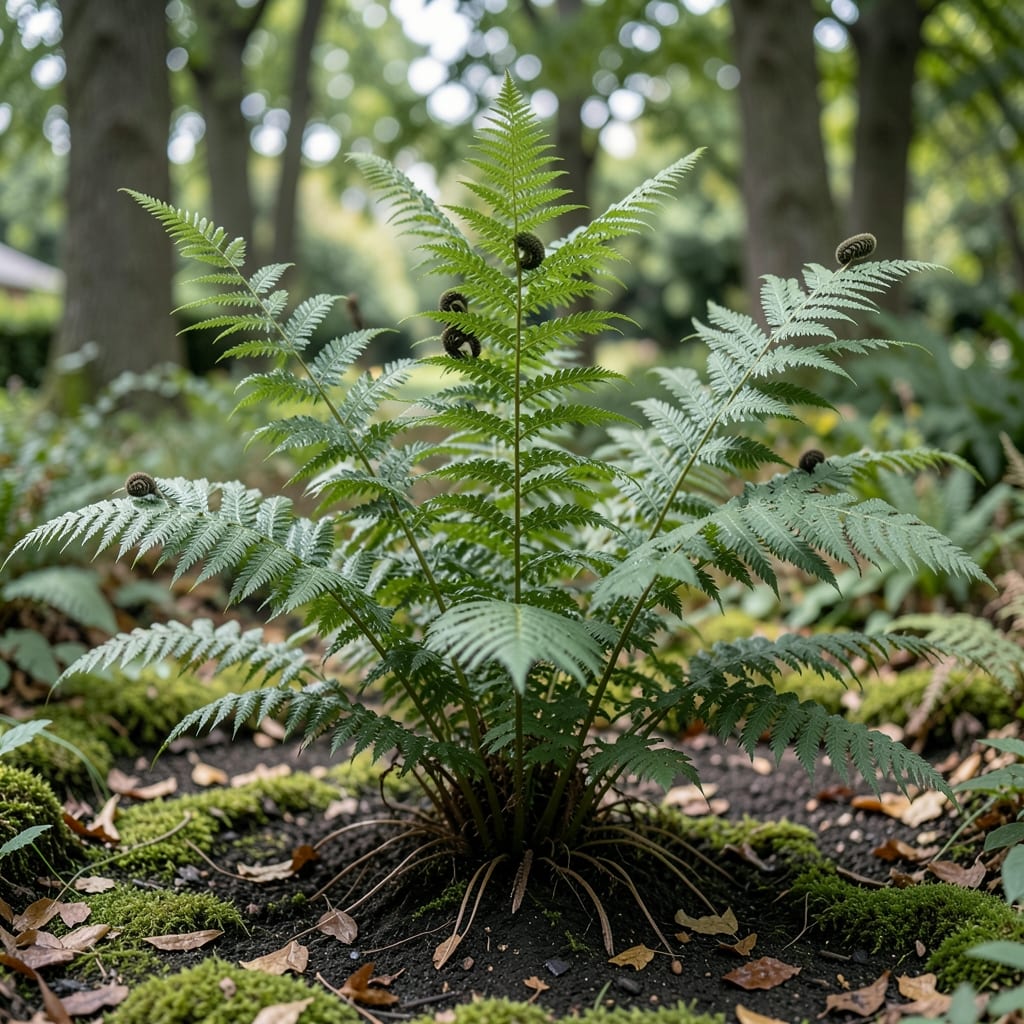
If you’ve ever wondered how tall can ferns grow, the answer might surprise you—some varieties reach heights that rival small trees! Whether you’re dreaming of a jungle-like corner in your home or a towering garden statement, understanding fern growth habits is the key to unlocking their full potential.
Ferns like the majestic tree fern can soar up to 8 feet tall, while delicate maidenhair ferns stay compact at just a few inches. The difference comes down to species, care, and a little patience—because even the tallest ferns start small. With the right conditions, you can coax your 🌿 ferns to grow taller than you’d expect, even in USDA Zone 6a.
But here’s the thing: height isn’t just about genetics. Light, soil, and water play huge roles in whether your ferns stretch toward the sky or stay modest. I’ll show you how to give your ferns the perfect growing environment—whether you’re planting in spring or nurturing them indoors—and when to prune to keep them thriving without sacrificing that lush, verdant look.
Ready to transform your space with ferns that reach new heights? Let’s dive into the secrets of growing ferns that defy expectations—and how to care for them once they get there.

Tallest fern varieties and their maximum heights (with growing conditions)
Ferns aren’t just pretty accents—they can become the vertical stars of your garden. If you’re asking how tall can ferns grow, the answer depends entirely on the species. Some ferns stay small and delicate, while others grow tall enough to rival small trees. For example, the Osmunda regalis, or royal fern, can reach a staggering 6-8 feet tall under ideal conditions, making it a natural focal point.
But not all ferns are giants. The Adiantum venustum (maidenhair fern) stays compact at just 6-12 inches, perfect for terrariums or small pots. The key to unlocking a fern’s full height potential lies in matching its species to the right growing conditions—whether that’s partial shade, consistent moisture, or well-draining soil.
Here’s the breakdown of the tallest fern varieties and what they need to reach their maximum heights:
| Variety | Max Height | Ideal Light | Soil Type | Growth Tips |
|---|---|---|---|---|
| Osmunda regalis (Royal Fern) | 6-8 ft | Partial shade | Moist, rich soil | Plant in spring near water sources for consistent moisture. |
| Matteuccia struthiopteris (Ostrich Fern) | 4-6 ft | Dappled shade | Well-draining, acidic | Mulch heavily to retain moisture and cool roots. |
| Cyathea cooperi (Australian Tree Fern) | 8-10 ft | Bright indirect light | Humid, peat-based | Ideal for USDA Zone 6a+; protect from frost. |
| Dryopteris filix-mas (Male Fern) | 3-4 ft | Partial shade | Loamy, fertile | Prune dead fronds in early spring to encourage new growth. |
| Adiantum pedatum (Northern Maidenhair) | 1-2 ft | Partial shade | Well-draining, slightly acidic | Great for containers; keep soil evenly moist. |
The Australian tree fern is the undisputed champion of fern height, often topping out at 10 feet in tropical climates. However, even in USDA Zone 6a, it can reach 6-8 feet with proper care. The trick is mimicking its natural habitat: high humidity, indirect light, and soil that stays consistently moist but never waterlogged.
For smaller ferns like the maidenhair, height isn’t the goal—it’s about their delicate, lacy fronds. But if you want them to grow taller, focus on nutrient-rich soil and morning sunlight. Avoid placing them in direct sun, which can scorch their leaves and stunt growth.
One common mistake gardeners make is assuming all ferns thrive in the same conditions. Tree ferns, for example, need humidity levels above 50% and protection from wind, while ground-cover ferns like Polystichum acrostichoides (Christmas fern) prefer drier soil and can stay under 2 feet tall.
To maximize height in your ferns, start by choosing the right species for your space. If you’re working with limited vertical room, opt for varieties like Dryopteris or Matteuccia, which grow tall but stay within a 4-6 foot range. For a true statement plant, the royal fern or tree fern will deliver dramatic results—just be prepared to provide the ideal growing conditions.
Pro tip: If you’re growing ferns in containers, use a deep pot (at least 12 inches deep) to encourage root growth and support taller varieties. Add a layer of orchid bark or perlite to improve drainage and prevent root rot, which can stunt growth.
🌿
Pruning and maintenance hacks to control fern growth (without stunting them)
Pruning your ferns isn’t just about keeping them tidy—it’s a growth hack to encourage taller, bushier fronds. The key is timing and technique. Most ferns benefit from a light trim in early spring, right before new fronds emerge. This removes dead or damaged foliage, allowing energy to focus on fresh growth. Avoid heavy pruning in fall or winter, as this can stress the plant when it’s already slowing down for dormancy.
For tall ferns like the Osmunda regalis or tree fern, prune only the bottom 1/3 of old fronds to maintain height while keeping the plant sturdy. Cut just above a node or joint—never at a sharp angle—to prevent water from pooling and causing rot. Use clean, sharp bypass pruners to make precise cuts that heal faster and look cleaner.
🚨 Warning: Over-pruning can stunt growth or leave your fern looking bare. Here’s what to avoid:
- Cutting healthy fronds—Only remove brown or yellowed leaves.
- Pruning in extreme heat—Wait for morning or evening when temps are mild.
- Using dull tools—Ragged cuts invite disease.
- Skipping mulch after pruning—Add 2-3 inches of mulch to retain moisture.
To encourage bushier growth in compact ferns like maidenhair or holly ferns, pinch back the tips of new fronds when they’re about 6 inches tall. This tricks the plant into branching out instead of growing tall and leggy. For indoor ferns, rotate the pot quarter-turns every week to ensure even light exposure on all sides, preventing lopsided growth.
Ferns also thrive with seasonal maintenance. In spring, fertilize lightly with a balanced 10-10-10 mix to support new fronds. In summer, increase watering frequency to every 2-3 days if the top inch of soil feels dry. In fall, reduce feeding and let the plant focus on hardening off for winter. For outdoor ferns in USDA Zone 6a, apply a thick layer of mulch before the first frost to insulate roots.
One pro trick I swear by? Misting ferns daily in dry climates mimics their natural humid habitats. Use a spray bottle in the morning to avoid fungal issues. For tall ferns in containers, stake them with bamboo stakes or decorative trellises as they grow to prevent flopping. Secure fronds with soft plant ties—never wire—to avoid damaging delicate stems.
🌿