
Size
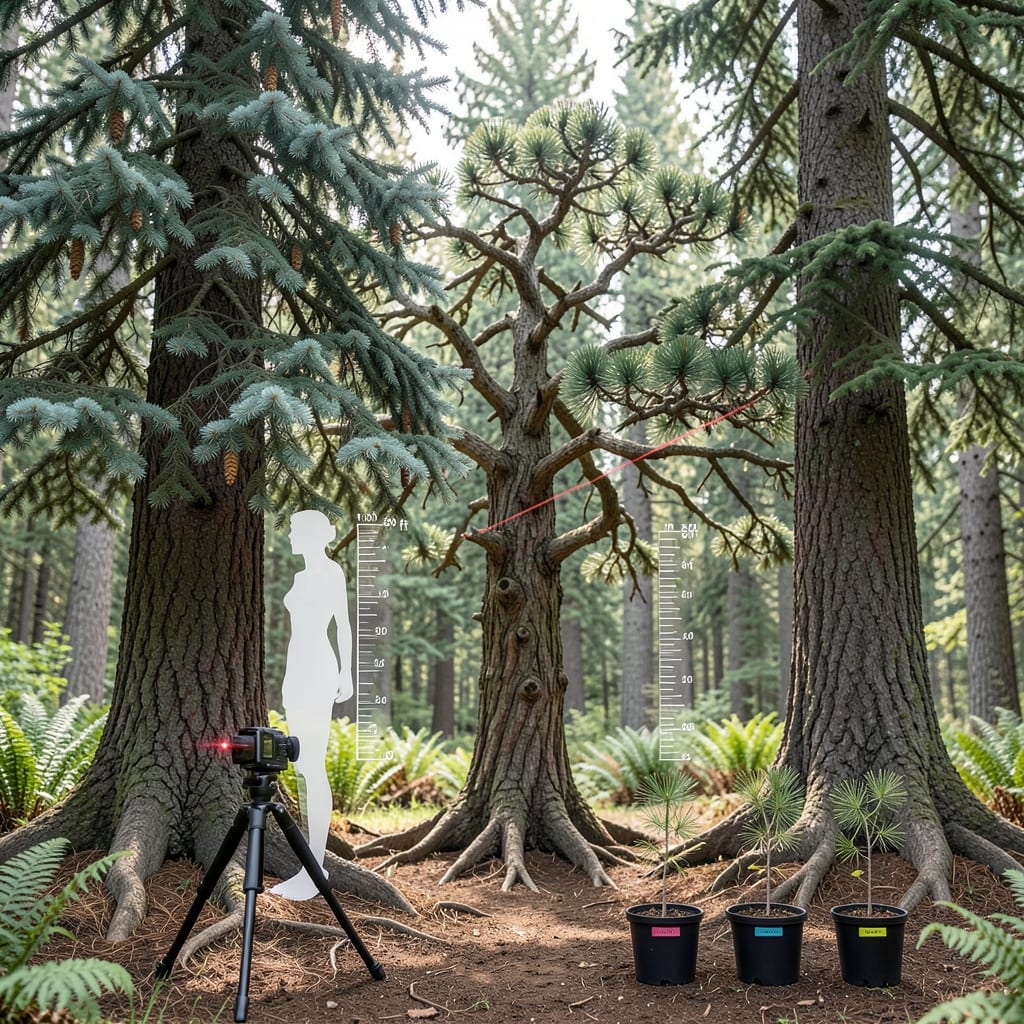
If you’ve ever wondered just how tall that 🌲 Evergreen Tree in your yard could grow, the answer might surprise you—some varieties stretch taller than a 15-story building, while others stay cozy at just 3 feet tall. The height of evergreen trees isn’t just about aesthetics; it shapes your landscape design, privacy plans, and even property boundaries.
Picture this: a giant redwood reaching 300 feet into the sky or a compact mugo pine perfect for small gardens. The difference comes down to species, care, and patience. Whether you’re dreaming of a towering screen or a low-maintenance accent plant, knowing these growth ranges helps you make the right choice for your space.
But here’s the catch: many evergreens grow slowly—some take decades to reach their full height. That means today’s 10-foot sapling could become tomorrow’s 100-foot giant if you don’t plan ahead. I’ll break down the tallest and shortest varieties, plus tips to control growth so your tree stays the perfect size for years to come.
Ready to pick the perfect evergreen? Let’s dive into the heights, growth habits, and smart landscaping strategies that’ll keep your yard looking its best—no matter how big (or small) you want your trees to be.


Evergreen tree height ranges: from dwarf varieties to towering giants
Evergreen trees come in sizes that can completely transform your landscape—whether you crave a privacy fortress or a low-maintenance garden accent. The height of these trees isn’t just about aesthetics; it dictates spacing, sunlight access for other plants, and even property line considerations. Some varieties stay small enough for container gardening, while others become architectural landmarks in your yard.
To help you visualize, think of a 3-foot mugo pine as a tabletop centerpiece versus a 300-foot redwood that could dwarf a skyscraper. The difference often comes down to species selection and growth habits. Let’s break down the height categories so you can pick the perfect evergreen for your space.
🌲 Evergreen Height Categories
If you’re working with a small urban yard, dwarf varieties like the mugo pine (3–6 ft) or procumbens juniper (2–3 ft) are game-changers. These trees thrive in containers or tight spaces and require minimal pruning. Meanwhile, a Leyland cypress can shoot up to 60–80 feet in just 10–15 years, making it a powerhouse for privacy screens—but only if you have the space!
For medium-sized yards, trees like the Eastern white pine (40–60 ft) or Colorado blue spruce (50–75 ft) strike a balance between height and manageability. These varieties offer year-round structure without overwhelming smaller properties. Just be sure to plant them at least 10–15 feet from structures to avoid root competition or overhang issues.
Now, here’s where things get wild: giant evergreens like the coast redwood or giant sequoia can reach heights of 200–300 feet—taller than a 20-story building! These trees are better suited for forest landscapes or large estates, but even their seedlings grow 3–5 feet per year in ideal conditions. If you’re dreaming of a redwood in your backyard, you’ll need plenty of space and a long-term commitment.
Pro tip: Always check the mature height of a tree before planting. A 10-foot sapling today could become a 60-foot monster in 20 years. Measure your space carefully, and when in doubt, opt for a semi-dwarf variety—it’ll give you the height you want without the space requirements.
🌱
Factors that determine how tall evergreen trees grow
Evergreen trees don’t grow to random heights—their final size depends on a mix of genetics, environmental conditions, and the care you provide. Some species are hardwired to stay small, while others have the potential to become towering giants if given the right conditions. Understanding these factors helps you predict growth and even control height when needed.
First, let’s talk species genetics. A mugo pine will never grow taller than 10 feet, no matter how much you fertilize it, because its DNA limits its height. On the other hand, a coast redwood has the genetic potential to reach 300 feet—but only if it has the space and resources to do so. Always research the mature height of a tree before planting to avoid surprises.
🌲 Key Factors Influencing Evergreen Tree Height
Climate plays a huge role too. Evergreens in coastal regions often grow taller and faster due to high humidity and mild winters. For example, a coast redwood in California can reach 200+ feet, while the same species in a colder, drier climate might max out at 100 feet. Similarly, mountain climates slow growth due to shorter growing seasons and thinner soil.
Soil quality is another game-changer. Well-draining, nutrient-rich soil fuels faster growth, while compacted or waterlogged soil can stunt a tree’s height. If you’re planting in urban areas with poor soil, amend it with compost or organic matter to give your evergreen the best start. And don’t forget—watering habits matter. Deep, infrequent watering encourages deep root growth, while shallow watering leads to weak, stunted trees.
Finally, pruning techniques can dramatically alter a tree’s height. If you want to control growth, prune the topmost branches (called tip pruning) in late winter or early spring. This signals the tree to put energy into side branches instead of shooting upward. For fast-growing species like Leyland cypress, regular pruning every 1–2 years keeps them at a manageable height while maintaining their dense, privacy-screen shape.
🪴