
Flowers
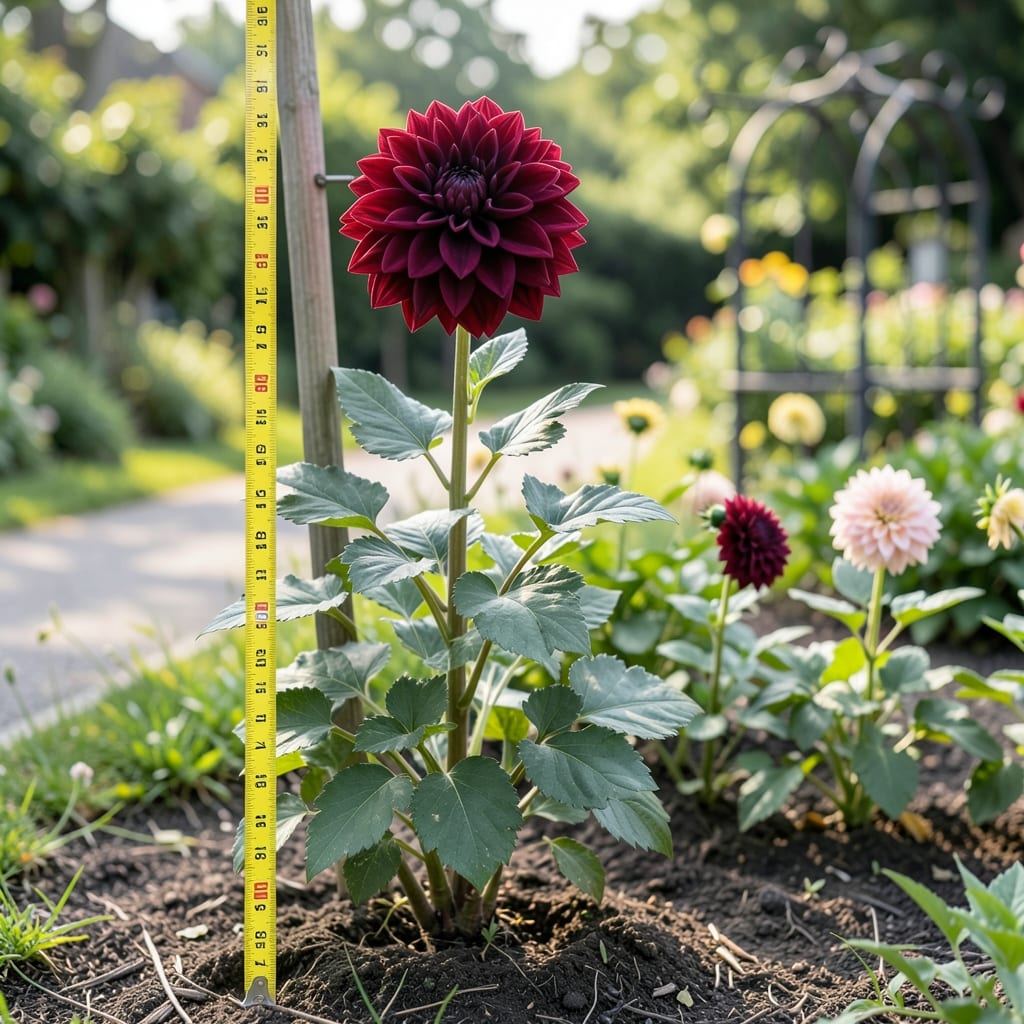
If you’ve ever wondered just how tall can dahlias grow, the answer might surprise you—these showstopping blooms can reach heights from just 1 foot to over 7 feet, depending on the variety! Whether you’re dreaming of dramatic garden focal points or compact container displays, understanding dahlia growth patterns is the first step to creating the perfect look for your space.
What sets dahlias apart is their incredible range—dwarf varieties stay manageable for small gardens or patios, while giant cultivars can rival small trees. The 🌸 key to unlocking their full potential lies in choosing the right type for your needs, from 2-foot munchkin varieties to towering 7-foot giants that need serious support. But here’s the catch: without proper care, even the tallest dahlias can flop or break under their own weight.
In this guide, I’ll break down the height ranges by variety, explain when and how to provide support, and share pro tips to maximize growth without sacrificing those stunning blooms. Whether you’re a beginner or a seasoned gardener, you’ll learn how to turn your dahlias into the star attraction of your outdoor space—no matter how much (or little) vertical room you have.
Ready to transform your garden? Let’s dive into the world of dahlias and discover how to grow them at their absolute best—from pint-sized charmers to sky-high giants that will leave your neighbors green with envy.


Dahlia height ranges by variety: from dwarf to giant
Dahlias are one of the most versatile flowers in the garden, offering heights that range from tiny tabletop varieties to towering giants that reach for the sky. The 🌸 secret to choosing the right dahlia for your space lies in understanding these height categories and how they translate into real-world garden planning. Whether you have a cozy patio or a sprawling backyard, there’s a dahlia variety that will thrive—and impress—at your desired scale.
For gardeners with limited space, dwarf dahlias (1–2 feet tall) are perfect for containers, window boxes, or small gardens. These varieties, like the popular 'Munchkin' series, deliver big blooms in a compact package, making them ideal for urban gardeners or balcony displays. Their manageable size also means they require minimal support, though a small stake or cage can help keep stems upright as they reach their full height.
Next up are semi-dwarf varieties, which typically grow between 2–4 feet tall. These are the workhorses of the dahlia world, offering a balance between height and manageability. Varieties like 'Café au Lait' or 'Thomas Edison' are excellent choices for border plantings, mixed containers, or as accents in flower beds. They often produce larger blooms than dwarf types while still being easy to care for without heavy support.
Here’s where things get exciting: standard dahlias (4–6 feet tall) are the classic garden dahlias that most people envision when they think of these showy blooms. These varieties, such as 'Arabian Night' or 'Galaxy,' are perfect for creating dramatic focal points in the garden. Their height makes them ideal for back-of-border plantings or as standalone specimens near pathways or patios. However, their height also means they’ll need staking or cages to prevent flopping, especially in windy conditions.
Now, let’s talk giants: tall and giant dahlias (6–7 feet or more) are the true stars of the garden, capable of reaching heights that rival small trees. Varieties like 'Black Narcissus' or 'Karma Choc' can grow over 7 feet tall with proper care, making them ideal for large gardens, cutting gardens, or as dramatic backdrops for other plants. These dahlias require robust support systems, such as metal cages or sturdy trellises, to handle their weight and maintain their upright growth.
| Variety Type | Height Range | Ideal Spacing | Best For | Support Needed |
|---|---|---|---|---|
| Dwarf | 1–2 ft | 12–18 in apart | Containers, borders, window boxes | Minimal (optional small stake) |
| Semi-Dwarf | 2–4 ft | 18–24 in apart | Borders, mixed beds, small gardens | Light (cage or stake) |
| Standard | 4–6 ft | 24–36 in apart | Back-of-border, focal points | Moderate (cage or stake) |
| Tall/Giant | 6–7+ ft | 36–48 in apart | Large gardens, cutting gardens, backdrops | Heavy (metal cage or trellis) |
One common misconception about dahlias is that all varieties need the same amount of space and support. In reality, dwarf dahlias can thrive in pots on a sunny patio, while giant varieties need room to spread their roots and sturdy support to stay upright. When planning your garden layout, consider not only the height of the dahlia but also its spread, as some varieties can grow just as wide as they are tall.
If you’re aiming for a vertical garden or want to maximize your space, tall dahlias can be trained to grow along trellises or obelisks. This technique works especially well for varieties like 'Thomas Edison' or 'Arabian Night,' which can be guided to grow upward rather than outward. Just be sure to prune regularly to encourage strong stems and prevent overcrowding, which can lead to weaker blooms.
For those new to growing dahlias, it’s essential to start with a variety that matches your garden’s scale. If you’re unsure, semi-dwarf or standard varieties are great choices because they offer a balance of height and manageability. Once you’ve mastered their care, you can experiment with taller or dwarf varieties to add even more diversity to your garden. Remember, the key to success is choosing the right variety for your space and providing the support and care it needs to thrive.
Ready to pick your perfect dahlia? Whether you’re dreaming of a compact container garden
Support needs for tall dahlias: staking, cages, and trellises explained
When your dahlias reach 4 feet or taller, they’ll need extra support to prevent flopping or breaking under their own weight. Without proper staking or trellising, even the most dramatic giant varieties can become a tangled mess. The good news? With the right techniques, you can turn those towering stems into stunning vertical displays that draw the eye—and keep your garden looking polished.
I’ve found that bamboo stakes and metal cages are the most popular choices for dahlias, but the best option depends on your variety’s height and growth habit. For example, 6-foot varieties like 'Galaxy' or 'Thomas Edison' often need heavy-duty stakes or spiral supports, while slightly shorter types (4-5 feet) can thrive in cage-like structures. Let’s break down the best support methods and when to use them.
| Support Type | Best For | Pros | Cons |
|---|---|---|---|
| Bamboo Stakes | 4-6 ft varieties | Affordable, biodegradable, easy to install | Requires tying stems (can damage bark) |
| Metal Cages | 5-7 ft varieties | No tying needed, sturdy, reusable | Can be expensive, may rust over time |
| Trellis Panels | 6+ ft varieties or borders | Aesthetic, supports multiple plants, durable | Requires more space, harder to install |
| Spiral Supports | 7 ft+ varieties | Gentle on stems, no tying, reusable | Costly, may not support very heavy blooms |
One common mistake I see is waiting until dahlias are already leaning before adding support. Install stakes or cages at planting time—even for shorter varieties—to give roots time to anchor while stems grow. For giant dahlias (6+ feet), consider using two stakes per plant or a triangular support system to distribute weight evenly. This prevents stems from bending at the base, which can lead to breakage.
Pruning also plays a role in managing height. If you notice your dahlia growing too tall too quickly, pinch back the top set of leaves when the plant reaches 3-4 feet. This encourages bushier growth and stronger stems that can better support their own weight. Just avoid over-pruning, as this can reduce flowering. Aim to keep 3-5 main stems per plant for the best balance of height and blooms.
For container gardeners, deep pots with built-in supports are a game-changer. Choose containers that are at least 12 inches deep and use tomato cages or sturdy wire frames to give roots room to spread while keeping stems upright. Remember, container dahlias dry out faster, so monitor soil moisture closely—especially during height growth spurts.
With the right support, your tall dahlias will stand proud all season long, turning heads and filling your garden with color. Whether you opt for rustic bamboo or sleek metal cages, the key is acting early and choosing a system that matches your variety’s growth habit. Happy growing!