
Trees
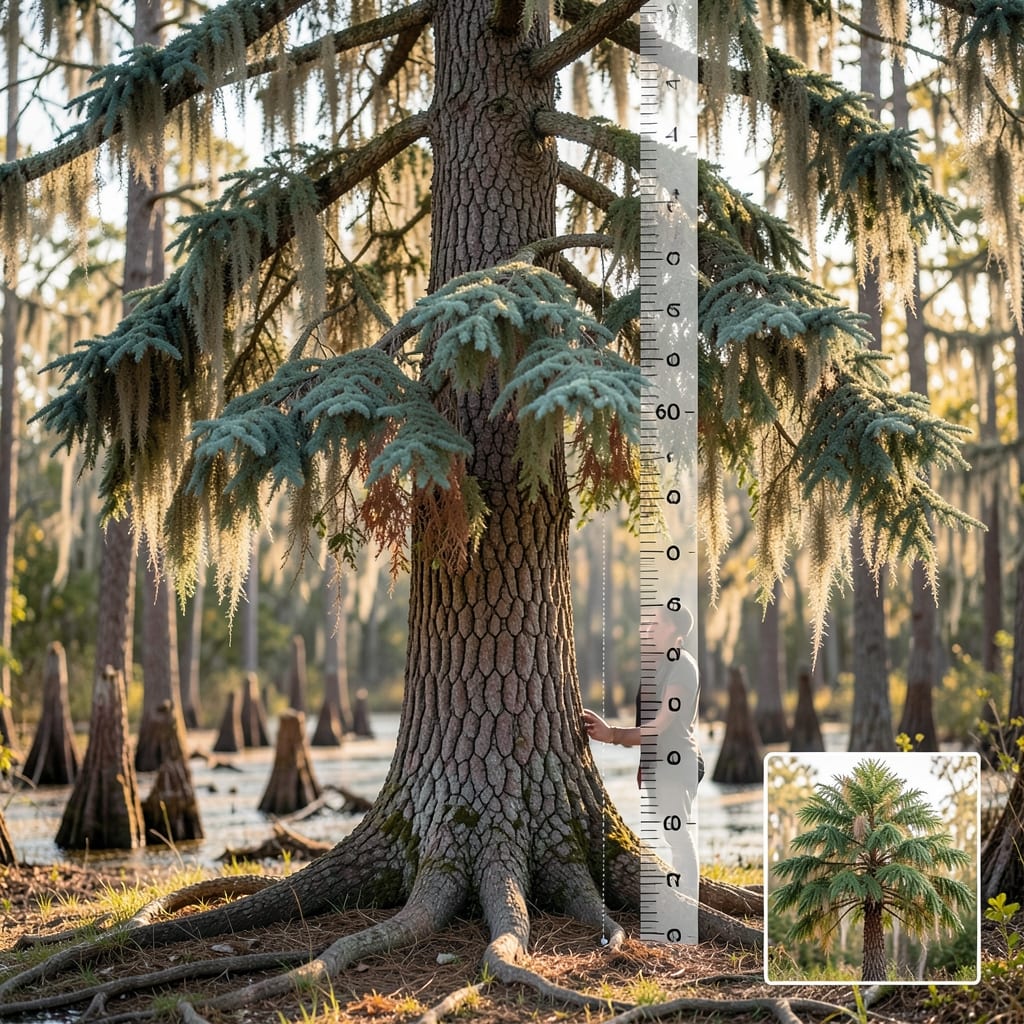
Curious about how tall can cypress trees grow before they become your backyard giants? Some varieties shoot up like skyscrapers, while others stay manageable—making the right choice the key to your dream landscape.
Imagine planting a 🌲 Cypress Tree in spring and watching it transform from a sapling to a towering sentinel. In just 10 years, certain species can reach heights of 40 feet or more, while others mature at a more modest 20 feet. The difference comes down to species, soil, and sunlight.
Whether you're planning a dramatic focal point or a cozy backyard border, knowing these growth patterns helps you avoid surprises. I’ll break down the fastest-growing types and how to give them the space they crave—so your cypress thrives without crowding your patio.
Ready to turn your yard into a cypress haven? Let’s dive into the heights, habits, and secrets of these versatile trees.


Cypress tree height by species: fastest-growing varieties explained
Cypress trees are nature’s skyscrapers, with some species shooting up at 3-5 feet per year under ideal conditions. The Leyland Cypress (× Cupressocyparis leylandii) is the speed demon of the group, while Bald Cypress (Taxodium distichum) offers a more graceful, slower ascent. Your choice depends on whether you want a privacy screen in a decade or a century-old landmark.
Let’s break down the mature heights and growth rates of the most popular cypress varieties. I’ll include their ideal climates and how quickly they reach those towering dimensions—so you can plan your landscape with confidence.
For a visual comparison, here’s how the fastest-growing cypress trees stack up:
| Species | Mature Height | Growth Rate (Annual) | Ideal Climate | Notes |
|---|---|---|---|---|
| Leyland Cypress | 60–70 ft | 3–5 ft/year | USDA Zones 6–10 | Fastest-growing; needs space |
| Bald Cypress | 40–70 ft | 1–2 ft/year | USDA Zones 4–10 | Tolerates wet soil; deciduous |
| Monterey Cypress | 20–40 ft | 1–3 ft/year | USDA Zones 7–10 | Drought-tolerant; coastal |
| Arizona Cypress | 30–50 ft | 2–4 ft/year | USDA Zones 6–9 | Cold-hardy; blue-green foliage |
| Dwarf Alberta Spruce | 10–15 ft | 0.5–1 ft/year | USDA Zones 3–7 | Slow-growing; compact |
The Leyland Cypress is the undisputed champion for speed and height, but its rapid growth means you’ll need to plan for at least 15 feet of clearance from nearby structures. If you’re in a coastal climate, the Monterey Cypress offers a more manageable height while thriving in salty air.
For wetland areas, the Bald Cypress is unmatched—it doesn’t just tolerate soggy soil; it thrives in it. Its knees (those iconic root protrusions) are a signature feature and add to its swampy charm. However, its slower growth means it takes longer to reach its full height.
If you’re in a dry, arid region, the Arizona Cypress is a standout. It’s drought-resistant and grows faster than its Bald Cypress cousin, making it ideal for desert landscapes where water conservation is key.
Pro tip: Always check your local frost dates before planting. Cypress trees planted too late in the season may struggle to establish roots before winter, stunting their early growth. Aim for spring planting in zones with late frosts.
Ready to pick the perfect cypress for your space? Next, we’ll tackle spacing and pruning to keep these giants in check—without sacrificing their majestic presence.
Space and pruning requirements for tall Cypress trees
When planning for tall cypress trees, spacing is everything. A Leyland Cypress can grow 60-70 feet tall in just 10-15 years, so planting it too close to your house or driveway risks overgrowth and costly pruning. Always allow 10-15 feet of clearance from structures and 20-30 feet between trees to prevent root competition.
Cypress roots spread widely but aren’t invasive like some species. However, their shallow lateral roots can damage sidewalks or foundations if planted too close. For Bald Cypress, which grows 50-70 feet tall, dig a hole twice as wide as the root ball to encourage outward growth and stability.
Pruning is key to controlling height and maintaining shape. Leyland Cypress grows aggressively—up to 3-5 feet per year—so I recommend light pruning in late winter to shape the tree and heavy pruning every 2-3 years to control height. Always use sharp, clean tools to avoid disease, and never remove more than 25% of the canopy at once.
For Monterey Cypress, which tops out at 40-50 feet, pruning is less critical but still important for removing dead branches. Focus on thinning the interior to improve airflow and reduce pest risks. Always prune after the tree finishes flowering in spring to avoid removing next year’s growth.
If your cypress is growing too fast or becoming unruly, consider topping—a technique where you cut the main stem to encourage bushier growth. However, topping can weaken the tree if done improperly, so I only recommend it for Leyland Cypress as a last resort. For most species, regular height pruning is safer and more effective.
Keep an eye out for overgrowth signs like branches touching power lines or shading out nearby plants. If your cypress is outpacing your yard, it might be time to plant a slower-growing variety next time. With the right spacing and pruning, even the tallest cypress trees can thrive without becoming a nuisance.