
Plants
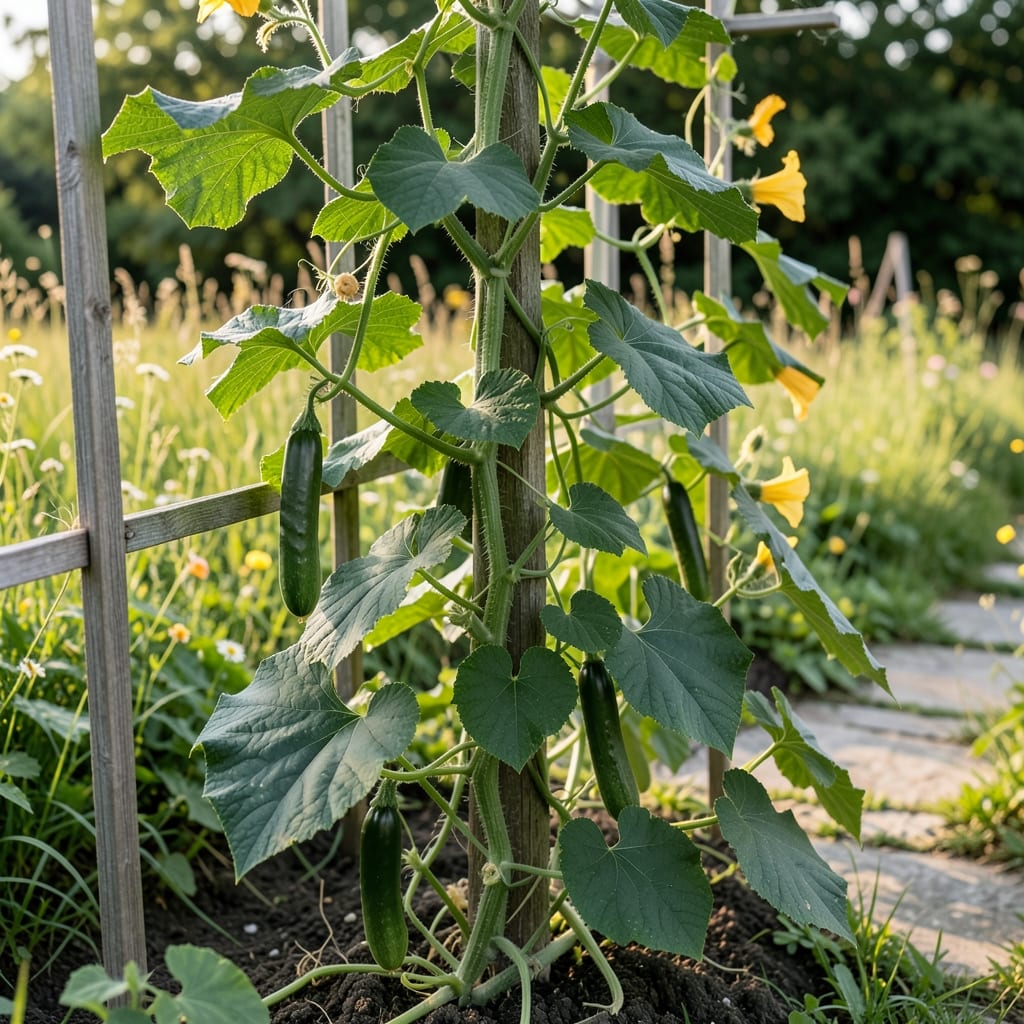
If you’ve ever watched a 🥒 cucumber plant shoot up like a jungle vine overnight, you might be wondering how tall cucumber plants can grow. The answer isn’t one-size-fits-all—some varieties stay compact enough for a patio, while others stretch toward the sky like natural ladders, reaching heights of 10 feet or more. But here’s the thing: your cucumber’s height depends on more than just genetics. Whether you’re dealing with a bush variety that stays under 3 feet or a sprawling vine that needs a trellis to reach its full 15-foot potential, the way you grow them makes all the difference. Let’s break down the types, the tricks, and how to keep your plants happy—no matter how tall they get. Imagine this: you plant a seed in April, and by June, you’re harvesting crisp cucumbers from vines that could outgrow your garden if left unchecked. The key is knowing which varieties thrive in your space and how to guide their growth—whether that means pruning for bushier plants or training them upward to save room. Ready to turn your garden into a cucumber powerhouse? I’ll show you how to pick the right variety for your space, control their height like a pro, and even troubleshoot common growing mistakes. Let’s get started!

Cucumber plant height variations: from bush varieties to vining giants
Cucumber plants come in three main height categories, each with distinct growth habits that shape how you’ll care for them. Bush varieties stay compact at 1–3 feet tall, making them perfect for containers or small gardens. Semi-vining types reach 4–6 feet and need minimal support, while aggressive vining cucumbers can shoot up to 10–15 feet if given the chance. The key difference? Vining types produce tendrils that cling to structures, while bush varieties grow more like compact shrubs.
Your garden’s space—and your patience for training—will determine which type suits you best. Bush cucumbers like ‘Bush Champion’ are ideal for beginners or urban gardeners with limited room, while vining varieties such as ‘Straight Eight’ reward patient gardeners with higher yields but require more attention. Even within these categories, leaf structure and fruit production differ: bush types often have thicker stems and fewer vines, while vining cucumbers prioritize rapid vertical growth.
Here’s the kicker: height isn’t just about space. Taller vines often produce more fruit, but they also demand more water, nutrients, and trellis support. If you’ve ever seen cucumber plants sprawl across your garden like unruly vines, you’ve likely dealt with an unchecked vining variety. The good news? With the right training, even the tallest cucumbers can become manageable—and productive—assets.
🌱
| Variety Type | Height Range | Growth Habit | Ideal For |
|---|---|---|---|
| Bush Cucumbers | 1–3 ft | Compact, no vines | Containers, small gardens |
| Semi-Vining | 4–6 ft | Moderate vines, needs light support | Raised beds, trellises |
| Vining Giants | 10–15 ft | Aggressive climbers, needs trellis | Large gardens, greenhouses |
If you’re growing cucumbers in a small urban garden, bush varieties are your best bet—they thrive in 5-gallon containers and produce fruit without sprawling. But if you have vertical space (like a trellis or fence), vining types can maximize your harvest by growing upward instead of outward. For example, ‘Arkansas Little Leaf’ stays under 3 feet but yields prolifically, while ‘Marketer’ can climb 15 feet if given support.
One common mistake? Assuming all cucumbers need the same treatment. Bush types benefit from pruning side shoots to focus energy on fruit production, while vining varieties thrive when allowed to climb—pruning them too much can reduce yields. Pay attention to leaf structure too: bush cucumbers have thicker, darker leaves, while vining types often have lighter, more delicate foliage and tendrils at the tips.
For first-time gardeners, I recommend starting with a semi-vining variety like ‘Sweet Success.’ It strikes a balance between manageable height (5–6 feet) and high productivity. These plants give you a taste of vertical gardening without the overwhelming growth of true vining giants. Plus, they’re less likely to flop over in windy conditions compared to bush types.
🌿
Another factor influencing height is your climate and growing season. In warmer regions (Zones 8–10), cucumbers grow faster and taller due to longer growing seasons. Meanwhile, in cooler climates (Zones 4–6), you might see shorter vines because the season cuts off growth earlier. If you’re in a short-season area, choose early-maturing varieties like ‘Northern Pickling’ (bush type) or ‘Diva’ (semi-vining) to maximize your harvest before frost.
Pro tip: Mulch around your cucumber plants to retain moisture and encourage deeper root growth, which supports taller varieties. A 2–3 inch layer of straw or shredded leaves keeps soil cool and reduces competition from weeds. For bush types, mulch also helps prevent soil-borne diseases by keeping foliage off the ground.
Finally, don’t overlook the role of pollination in height and yield. Vining cucumbers often produce more fruit when bees visit their flowers, while bush types may self-pollinate more easily. If you notice your vining plants aren’t setting fruit, consider planting companion flowers like marigolds nearby to attract pollinators.
✂️
How to control cucumber plant height: training and pruning techniques
Controlling the height of your cucumber plants isn’t just about aesthetics—it’s about maximizing yield, saving space, and preventing diseases. Whether you’re dealing with a 10-foot vining giant or a 3-foot bush variety, the right training methods can transform unruly growth into a productive, manageable system. The key is understanding when to guide upward, when to prune aggressively, and how to balance both for the best results.
For vining cucumbers, the solution is simple: trellising. These plants thrive when given vertical support, which not only saves garden space but also improves air circulation, reducing the risk of powdery mildew and other fungal diseases. A sturdy 6-foot trellis or fence can support varieties like ‘Straight Eight,’ while taller types (like ‘Marketer’) may need 8–10 foot structures. The secret? Install your trellis at planting time—cucumbers hate being transplanted later, and their vines will naturally wrap around supports as they grow.
🌱
- Step 1: Choose the right trellis. Use galvanized wire, bamboo stakes, or A-frame trellises for durability.
- Step 2: Plant seeds near the trellis (not more than 12 inches away) to encourage upward growth.
- Step 3: Gently weave vines through trellis openings as they grow—never force them.
- Step 4: Prune side shoots (suckers) below the first 3–4 leaves to direct energy upward.
- Step 5: Harvest frequently to encourage continuous growth and prevent vines from becoming top-heavy.
If you’re growing bush cucumbers, your focus shifts to pruning and spacing. These varieties don’t vine, so the goal is to keep them compact and bushy by removing excessive side growth. Start by pinching off lower leaves that touch the soil to prevent disease. Then, trim suckers (small shoots in leaf axils) to redirect energy to fruit production. For varieties like ‘Bush Champion,’ this method can double your yield per plant by eliminating wasted energy on unnecessary foliage.
One common mistake? Over-pruning vining cucumbers. While bush types benefit from aggressive pruning, vining varieties rely on their main stem and lateral branches to produce fruit. If you prune too much, you’ll stunt growth and reduce harvests. Instead, focus on removing only the lowest leaves and weak side shoots—leave the rest to climb and produce. For bush types, aim to maintain a pyramid shape with an open center for airflow.
For semi-vining varieties like ‘Sweet Success,’ a hybrid approach works best. Train the main vine upward with a 4–5 foot trellis, but allow 2–3 lateral branches to sprawl slightly for extra fruit production. This balances vertical growth with horizontal yield, making it ideal for raised beds or small gardens. Remember: the more you prune, the more you limit potential fruit. Always leave at least 3–4 strong vines on vining types to ensure a good harvest.
Pro tip: Use soft ties or old pantyhose to secure vines to trellises—avoid wire or tight knots, which can damage delicate stems. And if your cucumbers start to flop over despite trellising, check for overwatering or nutrient deficiencies. Weak stems can’t support their own weight, so ensure your plants get balanced fertilizer (10-10-10) every 4–6 weeks and deep watering daily during hot weather.
✂️