
Size
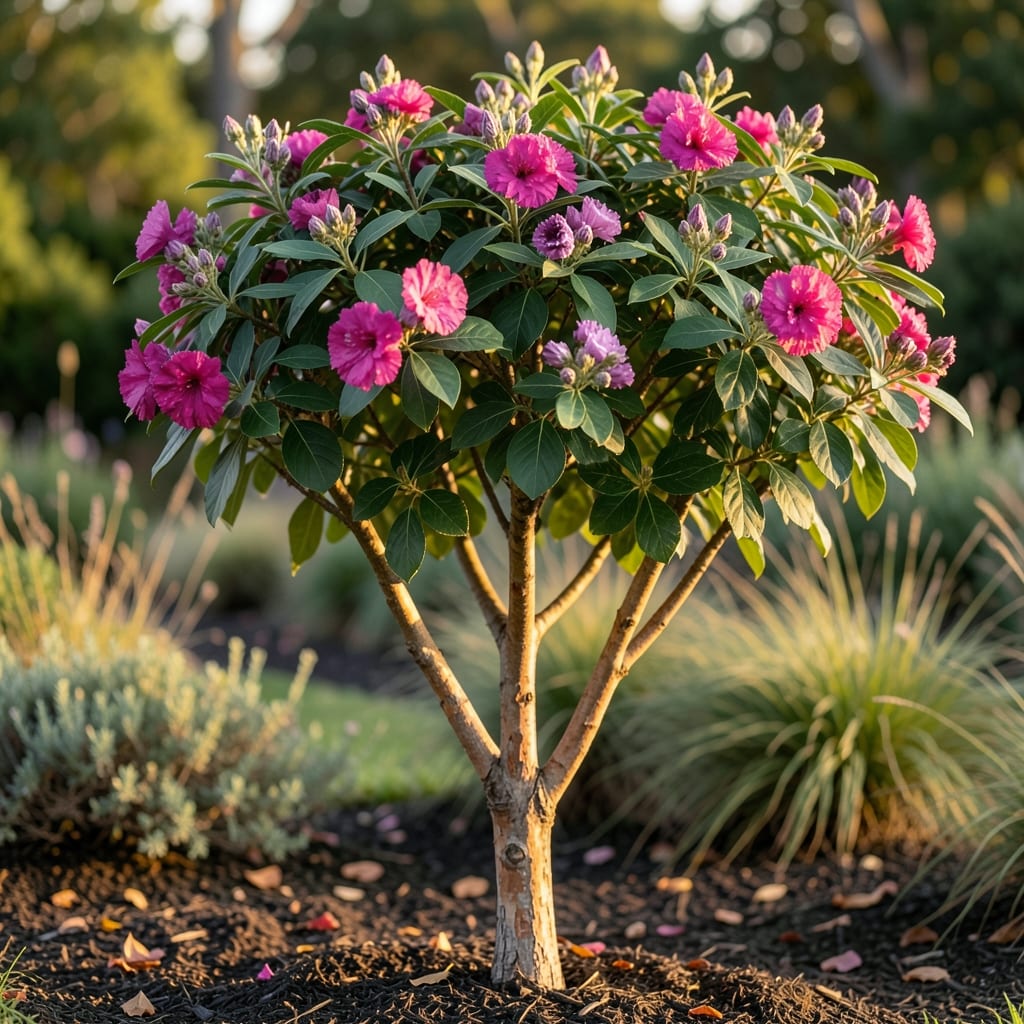
If you're planning your garden layout and wondering "how tall can crape myrtles grow", you're in for a pleasant surprise—these stunning trees offer options for every space, from compact yards to sprawling landscapes. The crape myrtle 🌸 isn’t just one-size-fits-all; its height can vary dramatically depending on the variety, ranging from modest 6-foot dwarf shrubs to towering 30-foot giants that dominate the skyline.
Picture this: a dwarf variety like 'Tonto' fits perfectly in small gardens or containers, while a standard tree like 'Natchez' reaches heights that make it a statement piece in larger properties. But here’s the catch—your climate, pruning habits, and even soil quality play a huge role in how tall (or short) your crape myrtle becomes.
Whether you're aiming for a privacy screen, a shade provider, or a low-maintenance focal point, understanding these growth patterns is key. I’ll break down the most popular varieties, share expert tips for controlling height, and help you choose the perfect crape myrtle for your vision—no matter how big (or small) your dream tree is.
Let’s dive into the details so you can pick the perfect crape myrtle for your space—and watch it thrive for years to come.


Crape myrtle height guide: from dwarf varieties to 30-Foot giants
When planning your garden, knowing how tall can crape myrtles grow is essential—these trees offer a stunning range of sizes to fit any landscape. From petite 6-foot dwarf varieties to majestic 30-foot giants, crape myrtles adapt beautifully to different spaces. The key to their height lies in genetics, pruning, and growing conditions, which I’ll break down so you can choose the perfect fit for your yard.
Dwarf crape myrtles, like 'Tonto,' stay compact at 6-12 feet, making them ideal for small gardens or containers. Meanwhile, standard varieties like 'Natchez' can soar to 20-30 feet, creating dramatic focal points. But here’s the secret: even a single variety can grow taller or shorter based on your care routine. Let’s explore the full spectrum so you can visualize your crape myrtle’s potential.
Understanding these height categories helps you visualize how crape myrtles will fit into your space. For example, a dwarf variety like 'Centennial Spirit' stays under 10 feet and thrives in containers, while a standard tree like 'Muskogee' can reach 25 feet in ideal conditions. The growth rate also varies—dwarf types grow slower, while giants can add 3 feet per year in optimal climates.
Your climate zone plays a huge role in height. Crape myrtles love USDA Zones 7-9 and grow fastest in warm, humid regions. In cooler zones, they may stay shorter unless you provide extra care. For instance, in Zone 7, a standard tree might max out at 20 feet, while in Zone 9, it could easily hit 30 feet without intervention.
Pruning is another game-changer. If you want to keep a crape myrtle short, prune aggressively in late winter to encourage bushier growth. Conversely, if you’re growing a tall shade tree, avoid heavy pruning and let it reach its natural height. I’ve seen 30-foot giants pruned into multi-trunk shrubs—proof that crape myrtles are as versatile as they are beautiful.
Soil quality also impacts height. Crape myrtles thrive in well-draining soil with a slightly acidic pH (6.0-7.0). Poor soil can stunt growth, while rich, fertile soil helps them reach their full potential. Amending your soil with compost before planting gives your crape myrtle the best start for reaching its target height.
Let’s say you’re planting near a 10-foot fence—a dwarf variety would work perfectly, while a standard tree would tower over it. Or imagine a backyard patio: a semi-dwarf at 15 feet provides shade without overwhelming the space. The beauty of crape myrtles is their adaptability, so you can tailor their height to your exact needs.
For fast-growing results, choose a variety like 'Avalanche' (white blooms, 15-20 feet) or 'Natchez' (lavender blooms, 20-30 feet). If you prefer low-maintenance height control, dwarf types like 'Zuni' (6-8 feet) are perfect. The right variety ensures your crape myrtle grows to the ideal height with minimal effort on your part.
Remember, crape myrtles are drought-tolerant once established, so their height isn’t just about genetics—it’s also about how well you care for them. With the right variety, pruning, and soil prep, you can grow a crape myrtle that fits your vision, whether you want a compact accent plant or a soaring shade provider. 🌸
How to control crape myrtle growth for your landscape needs
Now that you know how tall can crape myrtles grow, let’s talk about how to shape their height to match your vision. Crape myrtles are incredibly adaptable, and with the right techniques, you can keep them compact, encourage faster growth, or maintain a specific form—whether you want a tree, shrub, or multi-trunk specimen. The key lies in strategic pruning, proper spacing, and seasonal care tailored to your goals.
First, let’s address the biggest myth: crape myrtles don’t need heavy pruning to stay healthy. In fact, over-pruning can stress the tree and reduce flowering. Instead, focus on selective pruning to control height while preserving their stunning blooms. For example, if you’re growing a dwarf variety like 'Tonto' and want to keep it under 8 feet, prune back 1/3 of the new growth in late winter before buds swell.
- 🌱 Prune for Height Control: Cut back 1/3 of new growth in late winter to limit height. For taller varieties, prune only the top branches to maintain a tree shape.
- 🪴 Encourage Bushiness: Prune inside branches to improve airflow and sunlight penetration, which promotes thicker growth.
- ✂️ Shape as You Go: Light pruning throughout the growing season keeps crape myrtles manageable without shocking the plant.
- 🌿 Space for Growth: Plant dwarf varieties 3-5 feet apart, semi-dwarfs 8-10 feet apart, and standard trees 15-20 feet apart to avoid overcrowding.
- ☀️ Maximize Sunlight: Ensure 6+ hours of sun daily to encourage faster, healthier growth. Shady spots slow growth and reduce blooms.
Spacing is another critical factor in controlling height. If you plant a standard crape myrtle too close to structures or other plants, its roots will compete for nutrients, potentially stunting its growth. For a 20-foot tree, give it at least 15 feet of clearance from buildings, fences, and other trees. This also prevents root damage and makes future pruning easier.
Seasonal care plays a huge role in managing height. In spring, fertilize lightly to encourage new growth, but avoid heavy applications, which can lead to excessive height gain. During summer, water deeply but infrequently to encourage deep root growth, which stabilizes the tree and supports its structure. In fall, reduce watering and avoid pruning, as new growth at this time can be damaged by frost.
For multi-trunk specimens, prune aggressively in late winter to remove suckers and competing branches. This encourages the tree to develop a strong central trunk or multiple trunks, creating a stunning focal point. I’ve seen 30-foot crape myrtles pruned into elegant, multi-stemmed trees that look like they belong in a botanical garden—all thanks to consistent pruning and patience.
If you’re growing crape myrtles in containers, dwarf varieties like 'Centennial Spirit' thrive with regular root pruning and repotting every 2-3 years. This keeps them compact while ensuring they don’t outgrow their space. Just remember: containers dry out faster, so monitor soil moisture closely and water when the top 1-2 inches are dry.
Finally, don’t forget that soil quality impacts height. Amend your soil with compost or organic matter before planting to give your crape myrtle the nutrients it needs to grow strong and healthy. Poor soil can lead to stunted growth or weak branches, so invest in a good soil test if your yard has heavy clay or sandy soil. With the right care, you can grow a crape myrtle that fits your space perfectly—whether you want a compact accent plant or a towering shade provider. 🌳