
How To
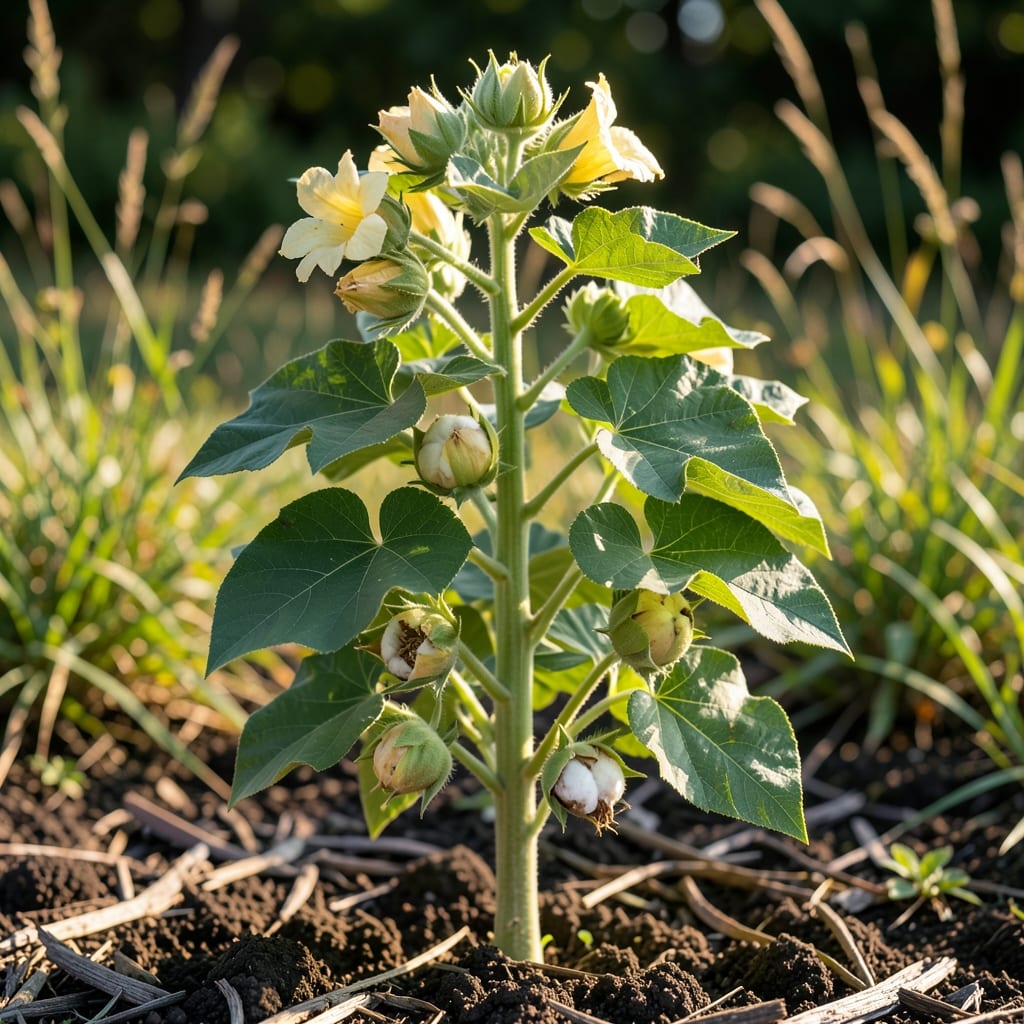
If you’ve ever wondered how tall cotton can grow in your backyard, the answer might surprise you—these fluffy giants can reach heights that dwarf most garden plants. 🧵 With the right conditions, cotton varieties can stretch between 3 to 6 feet, making them a striking addition to any garden when given proper soil depth and care.
The secret to unlocking cotton’s full height potential lies in understanding its needs—deep, well-drained soil, consistent moisture, and the right variety for your climate. Whether you’re a seasoned gardener or just starting out, knowing these factors can transform your cotton plants from modest shrubs into towering, productive stalwarts.
In this guide, I’ll break down everything you need to know, from the tallest cotton varieties to soil depth tricks that maximize growth. You’ll also discover 5 proven tips to support those lanky stems without sacrificing yield, so your garden becomes a thriving cotton powerhouse.
Ready to grow cotton that stands out? Let’s dive into the soil secrets that turn fluffy dreams into towering reality.

Cotton plant height by variety: from compact to towering giants
When planning your cotton garden, one of the first questions I ask myself is: how tall can cotton grow? The answer varies dramatically depending on the variety, with some reaching heights that rival small trees. For example, upland cotton (Gossypium hirsutum), the most common type for home gardens, typically matures between 4 to 5 feet—but with ideal conditions, it can surge to 6 feet or taller.
If you're working with limited space, dwarf varieties like Cotton 'Dwarf Upland' stay compact at 3 to 4 feet, perfect for containers or small plots. Meanwhile, Pima cotton (Gossypium barbadense), prized for its long, silky fibers, often tops out at 5 to 6 feet, making it a showstopper in larger gardens.
Choosing the right variety isn’t just about height—it’s about balancing growth potential with your garden’s climate and soil. For instance, Egyptian cotton, another tall variety, thrives in hot, dry regions and can reach 5 to 7 feet if given deep, well-drained soil. In contrast, Sea Island cotton, grown for its luxurious fibers, stays slightly shorter at 4 to 5 feet but demands warmer temperatures.
Here’s the key takeaway: taller cotton varieties need more space, stronger support, and deeper soil to reach their full potential. If you’re in a cooler climate, opt for upland cotton—it’s hardier and more forgiving. For tropical or desert gardens, Pima or Egyptian cotton will reward you with impressive height and fiber quality.
| Variety | Mature Height | Ideal Climate | Notes |
|---|---|---|---|
| Upland Cotton | 4–6 ft | Temperate to warm | Most common; versatile |
| Pima Cotton | 5–7 ft | Hot, dry regions | Long fibers; needs deep soil |
| Egyptian Cotton | 5–7 ft | Desert or tropical | High fiber quality; drought-tolerant |
| Dwarf Upland | 3–4 ft | Cool to moderate | Great for containers |
| Sea Island Cotton | 4–5 ft | Warm coastal | Luxurious fibers; needs heat |
For me, the biggest surprise came when I grew Pima cotton in my garden last summer. Despite my best efforts to support it, the plant shot up to 6.5 feet—taller than my fence! The trick was ensuring the soil was deep enough (at least 18 inches) and providing a sturdy trellis to prevent toppling in windy conditions.
If you’re aiming for maximum height, focus on soil depth and nutrient-rich compost. I’ve found that adding aged manure or composted leaves to the planting hole gives roots the room they need to explore downward, which directly correlates with upward growth.
Another pro tip: prune lower branches early in the season to direct energy toward the main stem. This not only encourages height but also improves airflow, reducing the risk of fungal diseases that can stunt growth.
Remember, cotton height isn’t just about genetics—it’s a partnership between the right variety, deep soil, and consistent care. With these factors in play, you’ll be harvesting fluffy bolls from plants that seem to touch the sky. 🌿
Soil depth requirements to maximize cotton plant height
Cotton plants thrive when their roots can dive deep into the earth—soil depth is the hidden factor that determines whether your cotton reaches 5 feet or towers to 6 feet or more. Most cotton varieties need at least 18 to 24 inches of loose, fertile soil to support their towering growth. Shallow soil restricts root expansion, stunting height and reducing yield.
Imagine your cotton plant as a skyscraper: the deeper the foundation (root system), the taller and sturdier the structure. Without adequate soil depth, plants compete for nutrients and water, leading to leggy, weak stems that snap under the weight of cotton bolls. This is especially critical in containers, where soil volume is limited.
To test your soil depth, use a trowel or soil probe to dig down until you hit compacted clay or bedrock. If your garden soil is shallower than 12 inches, consider amending it with compost or organic matter to improve depth and drainage. For container gardening, opt for large pots (at least 12 inches deep) filled with a well-draining potting mix.
🌱 Key Takeaway: Soil Depth Secrets for Tall Cotton
Minimum soil depth: 18" for optimal root growth
Ideal depth: 24"+ for maximum height potential
Container rule: Use pots ≥12" deep for dwarf varieties
Pro Tip: Mix in compost to loosen compacted soil naturally
Drainage is just as critical as depth. Cotton plants hate soggy roots, which can lead to root rot and stunted growth. Amend heavy clay soils with sand or perlite to improve aeration, while sandy soils benefit from organic compost to retain moisture. A simple percolation test—digging a hole, filling it with water, and timing how long it drains—can reveal if your soil is too dense.
For nutrient-rich soil, incorporate a balanced fertilizer (10-10-10) at planting time, then top-dress with compost every 4-6 weeks during the growing season. This ensures your cotton plants have the phosphorus and potassium needed for strong root development and vertical growth. Avoid over-fertilizing with nitrogen, which promotes leafy growth at the expense of height.
Remember, soil pH plays a role too—cotton prefers a slightly acidic to neutral range of 6.0 to 7.0. Test your soil with a home pH kit and adjust using lime (to raise pH) or sulfur (to lower pH) if needed. Healthy soil depth and pH create the perfect environment for cotton to stretch toward the sky.