
Size
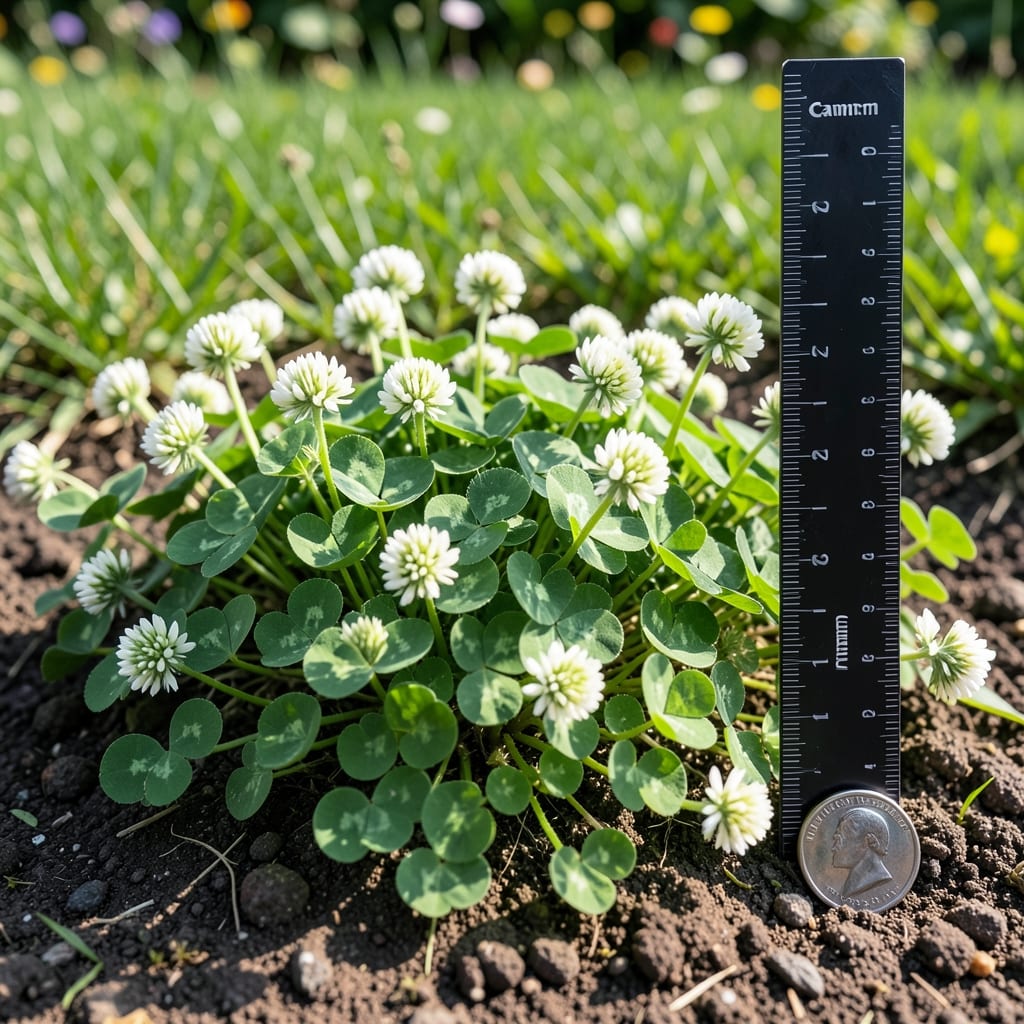
If you’ve ever wondered how tall can clover grow, the answer might surprise you—some varieties barely brush your ankles while others reach nearly waist-high, transforming your garden into a lush meadow. This versatile 🌱 isn’t just a pretty ground cover; it’s a dynamic plant that adapts to your space, whether you want a neatly trimmed lawn alternative or a wildflower-style border.
The height of your clover depends on the type you choose, with white clover typically staying under 6 inches while red clover can stretch up to 3 feet when left unchecked. Even the smallest varieties play a big role in your garden, improving soil health and attracting pollinators—so size isn’t just about aesthetics.
What you might not realize is that factors like sunlight, soil quality, and even your pruning habits can push clover to grow taller—or keep it compact. Whether you’re dealing with a sunny patch in USDA Zone 6 or a shadier corner, understanding these influences helps you harness clover’s full potential for your gardening goals.
From managing its height for a tidy look to letting it thrive as a natural ground cover, clover’s versatility makes it a gardener’s secret weapon. Let’s explore how to get the perfect height for your space—and why it matters for your garden’s health.


Clover growth height by variety: tiny ground covers vs. towering meadow giants
When planning your garden, knowing how tall can clover grow helps you choose the perfect variety for your space. Some clovers stay low and dense, ideal for walkways or lawn alternatives, while others grow tall and wild, perfect for meadow-style gardens. The height differences between varieties can be dramatic—some barely reach your shoelaces, while others tower over your knees.
White clover, the most common lawn substitute, typically stays between 3 and 6 inches tall. It’s perfect for filling gaps in grass or adding nitrogen to your soil without overpowering other plants. Red clover, on the other hand, can shoot up to 2 to 3 feet tall, making it a standout in pollinator gardens or wildflower mixes. These variations mean you can tailor your garden’s look and function with just one plant!
The height of your clover isn’t just about looks—it also affects its role in your garden. Short varieties like Dutch white clover create a carpet-like effect, suppressing weeds and improving soil health. Meanwhile, tall clovers like crimson clover attract bees and butterflies while adding vertical interest. Understanding these differences helps you pick the right type for your goals.
Here’s a quick comparison to visualize the range:
| Variety | Mature Height | Best For | Growth Habit |
|---|---|---|---|
| White Clover | 3–6 inches | Lawns, erosion control | Low, spreading |
| Red Clover | 2–3 feet | Pollinator gardens, meadows | Tall, upright |
| Alsike Clover | 1–2 feet | Pastures, soil improvement | Medium, bushy |
| Crimson Clover | 1.5–2.5 feet | Wildflower mixes, bee forage | Tall, clumping |
| Dwarf White Clover | 2–4 inches | Container gardens, small spaces | Compact, dense |
If you’re wondering how tall can clover grow in your specific garden, consider the variety and your climate. For example, white clover in USDA Zone 6 might stay shorter in cooler months but fill out more in summer. Meanwhile, red clover in warmer zones can reach its full height faster, creating a dramatic contrast with shorter plants around it.
Another factor to consider is the growth habit of each variety. White clover spreads horizontally, staying low and dense, while red clover grows upright with a bushy top. This difference affects how you’ll use it—spreading clovers are great for ground cover, while taller types add vertical interest or act as a living mulch.
For gardeners who love pollinator-friendly plants, taller clovers like crimson or red are excellent choices. Their height makes them visible to bees and butterflies, while their flowers provide nectar. If you prefer a low-maintenance lawn alternative, white clover’s compact size is ideal for filling gaps without requiring frequent mowing.
Even within a single species, height can vary based on growing conditions. For instance, red clover grown in partial shade might stay shorter than when planted in full sun. This adaptability means you can experiment with different heights in your garden by adjusting where you plant each variety.
One common question is whether clover can outgrow its space. While most varieties stay within their expected height range, red clover in particular can become overly aggressive if not managed. Regular mowing or pruning keeps it in check, especially in areas where you want to control its spread.
For a balanced garden, mix short and tall clovers to create layers. Pair white clover at the base of shrubs with red clover in the back for a natural, textured look. This approach not only varies heights but also supports biodiversity by offering different habitats for beneficial insects.
Whether you’re aiming for a neat, manicured look or a wild, meadow-style garden, clover’s height range gives you endless possibilities. The key is choosing the right variety for your space and goals—then letting it thrive!
What determines how tall clover grows: soil, climate, and care factors
Understanding how tall can clover grow in your garden isn’t just about the variety—soil quality, sunlight exposure, and even your care routine play huge roles. For example, red clover might reach 3 feet tall in rich, sunny soil but stay under 2 feet in poorer conditions. These factors work together to either encourage clover’s natural height or hold it back, so let’s break down what truly influences its growth.
Sunlight is one of the biggest determinants of clover height. Most varieties thrive in partial sun (4–6 hours daily), but red and crimson clovers actually grow taller in full sun, sometimes reaching their maximum height of 2–3 feet. White clover, however, prefers shadier spots and stays compact at 3–6 inches when light is limited. If your clover seems stunted, check its sunlight exposure—it might just need a sunnier spot to reach its full potential.
Soil pH and nutrients also affect height dramatically. Clover prefers slightly acidic to neutral soil (pH 6.0–7.0), but overly alkaline soil can stunt growth. Adding compost or a balanced fertilizer (5-10-10) in spring encourages taller, healthier plants. For instance, red clover in nutrient-rich soil can grow 12–18 inches taller than in poor soil. A simple soil test can reveal if your clover’s height is limited by nutrition.
Watering habits might surprise you—overwatering or underwatering can both affect height. Clover needs moderate moisture but hates soggy roots. Deep watering once a week (or more in summer) keeps it lush, while drought stress can make plants grow shorter and leggy. If your clover is struggling to reach expected heights, adjust your watering schedule to match seasonal needs—more in summer, less in winter.
🌱 Key Factors Affecting Clover Height
- Sunlight: Full sun = taller clovers (red/crimson); partial shade = shorter (white)
- Soil: Rich, well-drained soil = max height; poor soil = stunted growth
- Water: Consistent moisture = healthy height; drought = leggy, shorter plants
- Pruning: Regular cuts = denser, shorter growth; no pruning = taller, wild look
- Climate: Warmer zones = faster, taller growth; cooler zones = slower, shorter
Pro tip: Test your soil and adjust care to match your clover’s variety and goals!
Your pruning habits can also control height—even if you’re not actively mowing. For example, leaving red clover unpruned lets it grow 2–3 feet tall, while cutting it back after flowering keeps it at 1–2 feet. White clover, however, benefits from occasional trimming to encourage denser, shorter growth. If you’re aiming for a neat lawn alternative, regular pruning is key; if you want a wildflower meadow, let it grow freely.
Climate plays a role too. In USDA Zone 6, clover grows fastest in summer but may slow down in cooler months, staying shorter until spring. Meanwhile, in warmer zones like Zone 8, clover can grow taller year-round. If you’re in a cooler climate, plan to prune in late fall to prevent winter damage and encourage spring regrowth. This simple adjustment can keep your clover at an ideal height for your zone.
One common mistake is assuming all clover grows the same way. For instance, white clover naturally stays low, while red clover can become aggressive if unchecked. If your clover is growing taller than expected, it might be spreading into nearby areas—regular mowing or edging can keep it contained. Conversely, if it’s staying too short, check for nutrient deficiencies or overcrowding, which can stunt growth.
For gardeners who love pollinator-friendly plants, taller clovers like red or crimson are perfect—but their height depends on your care. By adjusting sunlight, soil, and water, you can encourage the exact height you want. Whether you’re aiming for a low-maintenance lawn or a wildflower haven, these factors give you control over how tall your clover grows.