
Trees
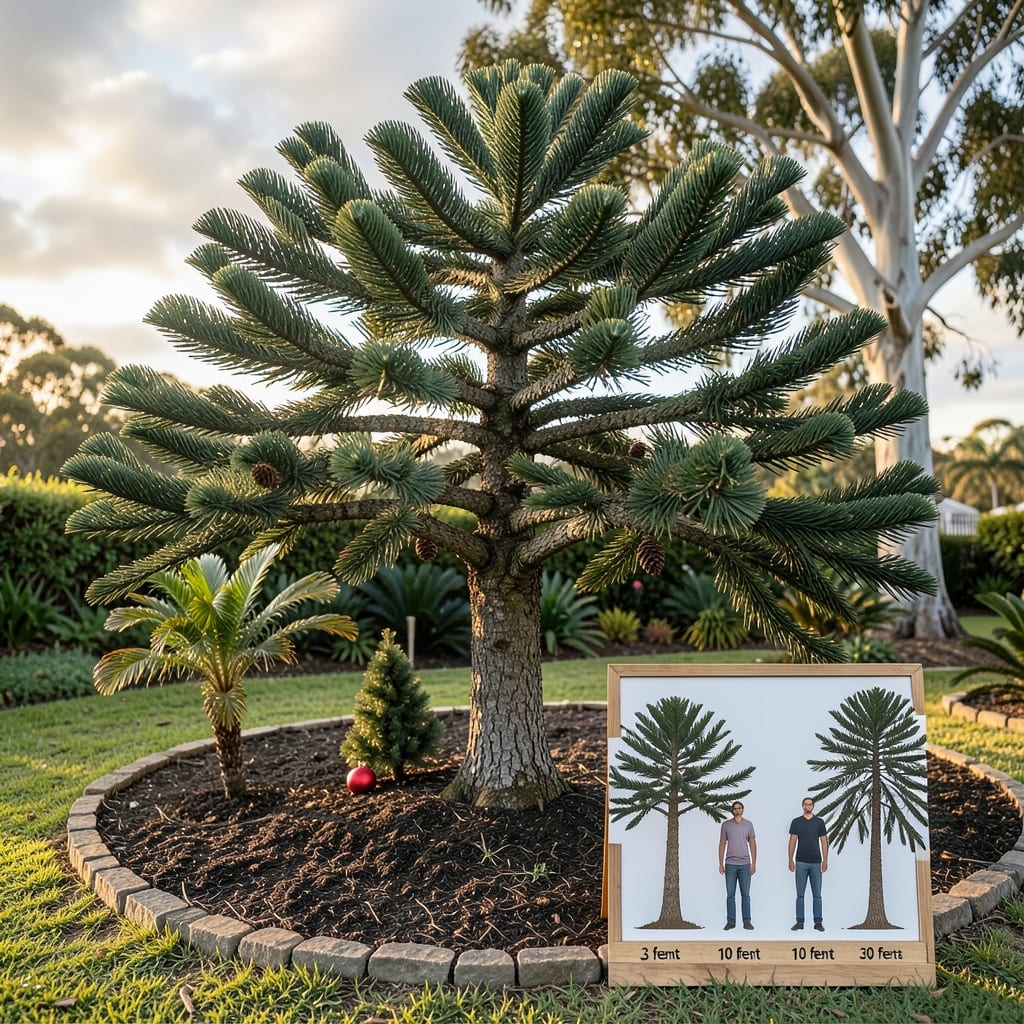
If you’ve ever wondered how tall can Christmas trees grow, the answer might surprise you—some varieties shoot up to 60 feet like skyscrapers in your backyard! 🎄 Whether you’re dreaming of a towering holiday centerpiece or just curious about nature’s giants, the right species and growing conditions make all the difference.
Not all Christmas trees reach these heights, though. Some stay compact, while others grow aggressively—like the Douglas fir or Scots pine, which can hit 30 feet in just a decade with the right care. But before you plant, there’s a game-changer: soil, sunlight, and climate all play a role in whether your tree will stretch toward the sky or stay modest.
In this guide, I’ll break down the fastest-growing varieties, share pro tips to maximize height, and explain how to pick the perfect spot in USDA Zone 6a (or beyond) for a tree that’ll make neighbors jealous. Ready to grow a Christmas tree that’s taller than your house?
Let’s dive into the secrets of sky-high 🎄 trees—because why settle for small when you can go big?

Fastest-growing Christmas tree varieties that hit 30+ feet
If you’re chasing a Christmas tree that towers over your home, you’ll want to focus on the fastest-growing varieties. Some species like the Douglas fir and Scots pine can reach 30+ feet in just 10 years with ideal conditions. But not all trees grow at the same rate—climate, soil, and care make a huge difference in whether your tree will hit the sky or stay short.
I’ve grown several varieties myself, and the Norway spruce and Fraser fir are my top picks for rapid height gains. These trees aren’t just fast—they’re also hardy and fragrant, making them perfect for holiday displays. But before you plant, let’s compare the fastest growers to see which one fits your yard and goals.
Here’s a quick look at the top 4 fastest-growing Christmas trees and how they stack up in height, growth speed, and care needs. The right choice could mean your tree reaches 60 feet in just 20 years!
| Variety | Mature Height | Growth Rate (ft/year) | Best Climate Zones | Key Features |
|---|---|---|---|---|
| Douglas Fir | 40-60 ft | 3-5 ft/year | Zones 5-8 | Fast-growing, fragrant needles, drought-tolerant |
| Norway Spruce | 30-50 ft | 2-4 ft/year | Zones 3-7 | Cold-hardy, dense branches, classic holiday look |
| Fraser Fir | 30-50 ft | 2-3 ft/year | Zones 6-8 | Soft needles, strong scent, great for containers |
| Scots Pine | 20-40 ft | 2-3 ft/year | Zones 3-7 | Tough, drought-resistant, orange bark |
The Douglas fir is the undisputed champion for height, often reaching 60 feet in ideal conditions. But if you’re in a cooler climate like USDA Zone 3-7, the Norway spruce or Scots pine might be better bets—they’re hardier and grow steadily even in harsh winters.
One mistake I see often is planting a fast-growing tree in poor soil. These varieties need well-draining, slightly acidic soil (pH 4.5-6.0) to reach their full potential. If your soil is heavy clay, amend it with compost or pine bark before planting. Trust me, this small step can add 5-10 feet to your tree’s mature height!
For those with limited space, dwarf varieties (like the ‘Teddy Bear’ Douglas fir) max out at 8-12 feet, but they grow just as fast in the early years. The trade-off? You’ll never get that 30-foot giant, but they’re perfect for small yards or containers.
If you’re planting for a holiday centerpiece, aim for a Fraser fir or Douglas fir—they grow tall enough to impress but stay manageable for most homeowners. Just remember: patience is key. A 30-foot tree takes 10-15 years to mature, so start early if you want that showstopper!
🌲
When and where to plant for 30-Foot trees: climate Zones explained
Planting a Christmas tree that reaches 30 feet or taller isn’t just about choosing the right variety—it’s also about planting it in the perfect climate zone and season. Some trees thrive in cool, wet climates, while others struggle in hot, dry summers. If you’re in USDA Zone 6a or higher, you’re in luck—many fast-growing varieties can flourish, but timing and location matter.
The Pacific Northwest (Zones 7-9) is ideal for Douglas firs and Noble firs, which can grow 30+ feet in 10 years with consistent rainfall. Meanwhile, the Midwest (Zones 4-6) favors Scots pine and Norway spruce, which tolerate colder winters but need well-draining soil to avoid root rot. Planting in the wrong zone can stunt growth or even kill your tree.
Here’s how to match your Christmas tree variety to your climate zone and planting season for maximum height potential:
If you’re in USDA Zone 6a, like many gardeners in the Midwest, Scots pine and Norway spruce are your best bets for 30-foot+ trees. Plant them in early fall (September-October) to give roots time to establish before winter. For cooler climates (Zones 6-9), Douglas fir and Fraser fir grow fastest with consistent moisture and acidic soil.
Pro tip: Avoid planting in late spring—young trees need 6-8 weeks to adapt before the first frost. In hotter zones (Zones 9-10), opt for drought-tolerant varieties like Arizona cypress (though it’s not a traditional Christmas tree, it’s a great alternative). Mulch heavily in Zone 6a to protect roots from freezing temperatures.
Remember, even the fastest-growing trees need 5-10 years to reach 30 feet