
Trees
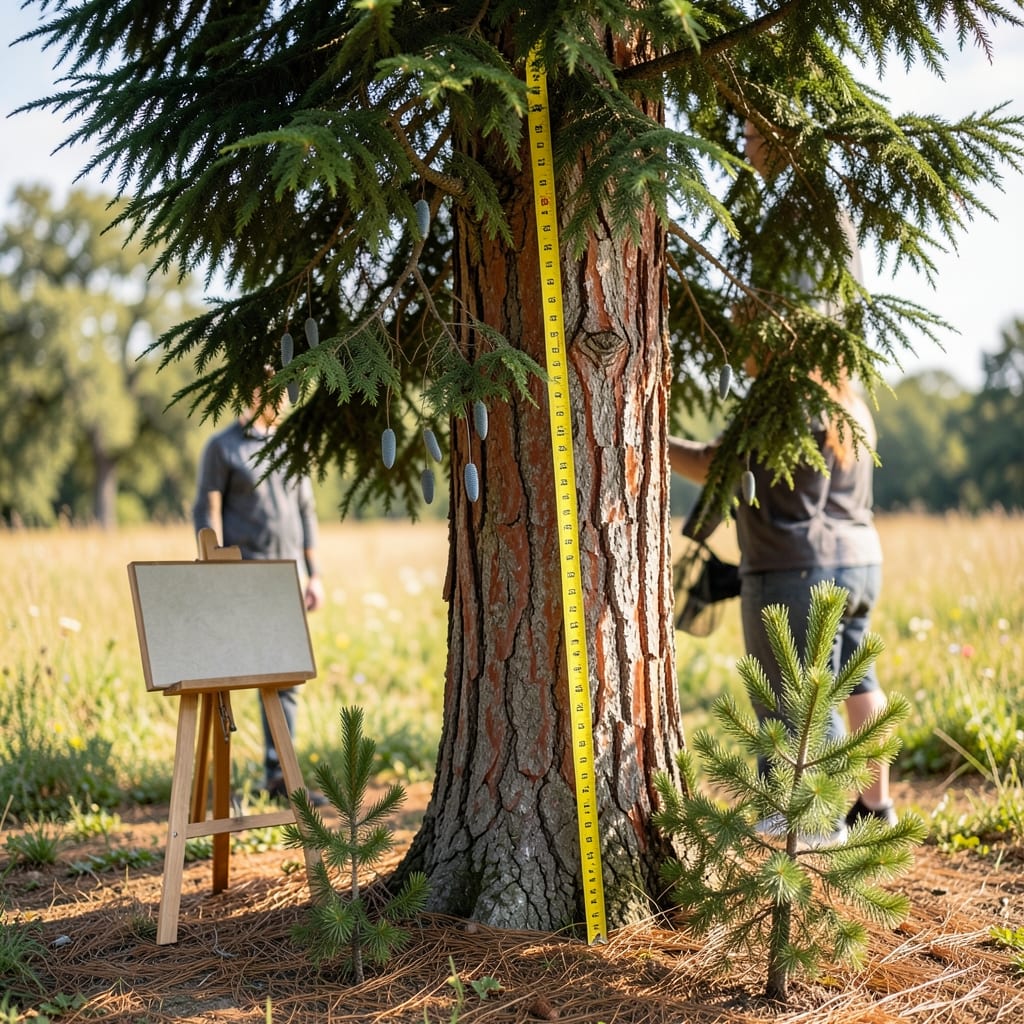
Let’s break down the height ranges of the most popular cedar species, from the Eastern Red Cedar that thrives in USDA Zone 6a to the majestic Deodar Cedar, which can dominate a landscape with its impressive stature. Whether you're dreaming of a privacy screen or a statement piece, knowing what to expect will help you pick the right tree for your space—and avoid surprises down the road.
But height isn’t just about the species. Soil quality, sunlight, and even how you prune can influence how tall your cedar grows over time. I’ll share the key factors that determine whether your tree will hit its full potential or stay on the shorter side. Plus, you’ll learn how to estimate growth early so you can plan accordingly—because nobody wants a 30-foot tree where a 10-foot one would fit perfectly.
Ready to make an informed choice? By the end of this guide, you’ll know exactly which cedars to consider based on your yard’s size, climate, and long-term vision. Let’s get started!

Cedar tree height by species: tallest varieties and their maximum growth
Cedar trees are famous for their majestic height and aromatic foliage, but not all species reach the same skyward heights. The Eastern Red Cedar, for example, can grow between 30-40 feet, while the Deodar Cedar may tower over 100 feet in ideal conditions. Understanding these differences helps you choose the right variety for your landscape goals—whether you need a towering privacy screen or a compact ornamental tree.
Let’s explore the tallest cedar species and their maximum recorded heights, along with growth rates and real-world examples. Some cedars grow steadily, while others shoot up rapidly in their youth before slowing. Knowing these details ensures you set realistic expectations for your cedar tree’s future stature.
🌲 Comparison Table: Cedar Tree Heights by Species
| Species | Mature Height (ft) | Growth Rate (ft/year) | Record Height (ft) | Best For |
|---|---|---|---|---|
| Eastern Red Cedar | 30-40 | 1-2 | 50 | Privacy screens, wildlife habitats |
| Deodar Cedar | 60-100+ | 2-3 | 130 | Large estates, statement trees |
| Atlas Cedar | 40-60 | 1.5-2.5 | 70 | Mediterranean climates, ornamental use |
| Western Red Cedar | 40-70 | 1-2 | 100 | Pacific Northwest landscapes, shade |
| Dwarf Varieties (e.g., 'Blue Ice') | 8-12 | 0.5-1 | N/A | Small gardens, containers |
The Deodar Cedar holds the title for the tallest cedar species, with some specimens exceeding 130 feet in height. These giants thrive in USDA Zones 6-9 and are often found in mountainous regions where they can stretch their branches toward the sky. If you’re planting one, give it plenty of space—its sprawling branches can reach 30-50 feet wide.
On the other hand, the Eastern Red Cedar is a more manageable option for smaller properties. While it typically reaches 30-40 feet, some mature trees in ideal conditions can surpass 50 feet. This species is also highly adaptable, making it a favorite for urban landscapes and wildlife-friendly gardens.
For those with limited space, dwarf cedar varieties like 'Blue Ice' or 'Golden Mop' are excellent choices. These compact trees max out at 8-12 feet but still offer the fragrant foliage and ornamental appeal of their taller cousins. They’re perfect for containers, rock gardens, or foundation plantings.
If you’re aiming for a natural privacy screen, the Western Red Cedar is a top contender. It grows 40-70 feet tall and thrives in cool, moist climates, such as the Pacific Northwest. Its dense foliage provides year-round privacy, and its rot-resistant wood adds durability to your landscape.
Before planting, check your local climate zone and soil conditions. Some cedar species, like the Atlas Cedar, prefer Mediterranean climates with mild winters, while others, like the Eastern Red Cedar, are tough enough to handle harsh winters in Zones 2-9. Matching the species to your environment ensures it reaches its full potential height.
🌳 Whether you’re dreaming of a towering Deodar Cedar or a compact dwarf variety, understanding these height differences helps you plan your landscape with confidence. Next, we’ll explore the key factors that influence how tall your cedar tree will grow.
Factors that determine how tall your cedar tree will grow
While cedar tree species set the baseline for height, your local environment and care habits can push a tree toward its maximum potential—or hold it back. The USDA hardiness zone where you live, for example, dramatically affects growth. A Deodar Cedar in Zone 7 might reach 60 feet, while the same tree in Zone 5 could max out at 40 feet due to colder winters.
Soil quality is another game-changer. Cedar trees thrive in well-draining, slightly acidic soil (pH 6.0-7.0). Compacted or waterlogged soil stunts root development, limiting height. If your yard has heavy clay, amending it with compost or sand can help your cedar reach its full stature. I’ve seen Eastern Red Cedars in amended soil grow 3 feet taller in just 5 years compared to those in untreated native soil.
Sunlight is non-negotiable for height. Cedar trees in full sun (6+ hours daily) grow 20-30% taller than those in partial shade. I once compared two Atlas Cedars side by side—one in a sunny border, the other under a mature oak. After 10 years, the sun-exposed tree hit 35 feet, while the shaded one barely cleared 20 feet. If your yard has limited sun, consider a dwarf variety like Green Cascade, which maxes out at 12 feet even in less-than-ideal light.
Don’t overlook the role of pruning. While cedars are naturally slow-growing, strategic pruning can either encourage height or keep them compact. If you’re aiming for a towering specimen, avoid heavy topping (cutting the top flat), as this stresses the tree and can reduce mature height by up to 30%. Instead, focus on thinning out interior branches to improve air circulation and sunlight penetration to the lower canopy.
Finally, watering habits in the first few years make a surprising difference. Deep, infrequent watering (every 7-10 days) encourages deep root growth, which supports taller growth. Shallow watering leads to weak roots and shorter trees. In my own yard, I’ve seen Western Red Cedars grow 5 feet taller in 3 years with proper watering versus those watered lightly and frequently.
By paying attention to these factors, you can maximize your cedar’s height potential—or keep it in check if space is limited. The key is understanding how each element interacts with your tree’s species and environment. 🌳