
How To
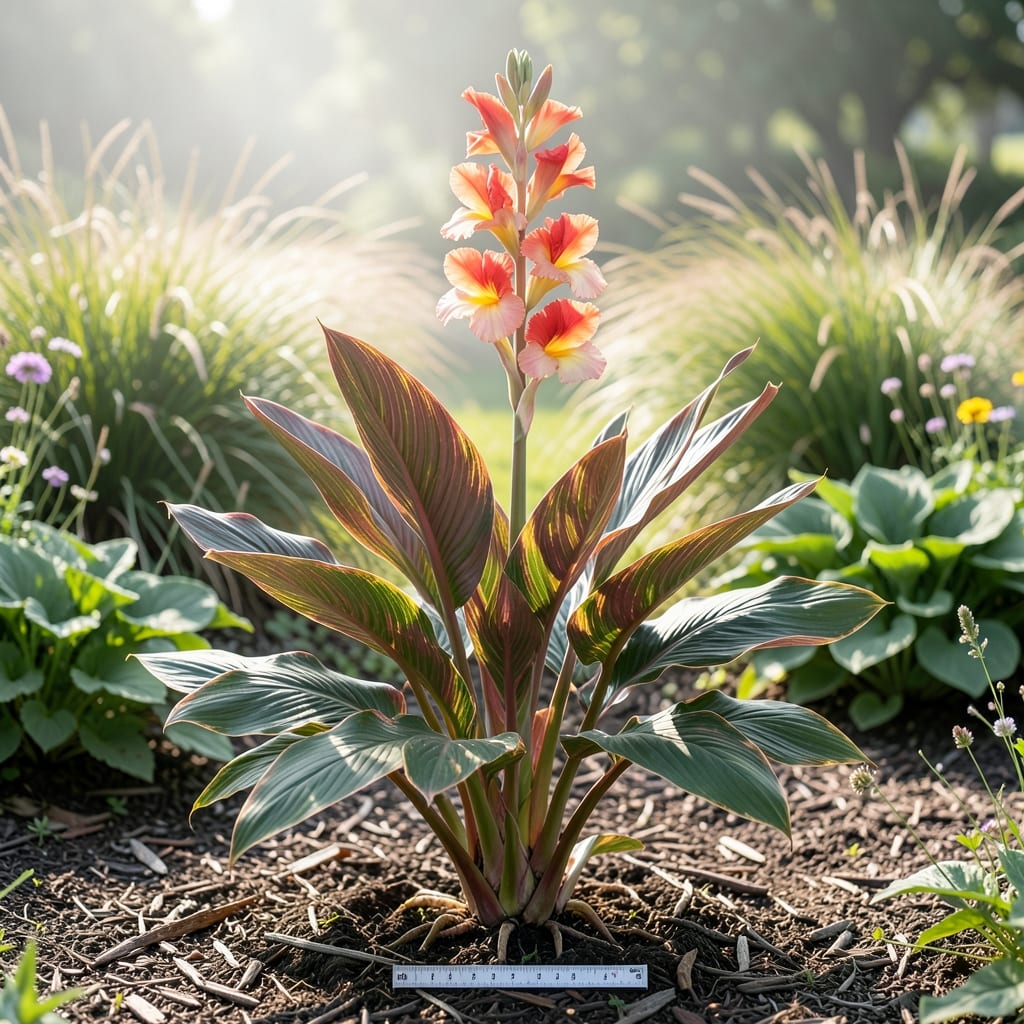
If you’ve ever wondered how tall cannas grow, you might be surprised to learn these tropical beauties can reach heights that rival small trees—some varieties soaring to 7 feet or more! While most gardeners picture cannas as mid-height plants, the truth is their size varies wildly depending on the variety, care, and growing conditions.
Picture this: 🌺 Canna ‘Australia’ stretching toward your roofline, its bold foliage creating a dramatic backdrop for your patio, while dwarf varieties like ‘Pyramid’ stay compact at just 2-3 feet. The key to unlocking their full potential? Understanding their growth habits and giving them the right support—because even the tallest cannas need a little help standing strong.
But here’s the catch: not all cannas grow the same way. Some burst upward in their first year, while others take time to reach their towering heights. Whether you’re working with USDA Zone 6 conditions or a warmer climate, I’ll break down exactly what to expect—and how to encourage (or control) their growth for a showstopping display.
Ready to turn your garden into a vertical jungle? Let’s dive into the heights, the varieties, and the secrets to training cannas to reach their stunning, sun-loving potential. Check our canna care guide for more tips!

Canna varieties and their stunning height ranges (from compact to towering)
When it comes to how tall cannas grow, the answer depends entirely on the variety you choose. Some stay humble at 2-3 feet, while others shoot up like tropical skyscrapers, reaching 7 feet or more. The difference often comes down to genetics, with some hybrids bred specifically for height or compactness. For example, Canna ‘Pyramid’ stays tidy at 2-3 feet, perfect for containers, while Canna ‘Australia’ can dwarf a small tree at 6-7 feet.
Even within the same variety, first-year cannas often grow shorter (3-5 feet) than mature plants (5-7 feet). This gradual growth means patience pays off—your 🌺 canna might look modest early on but could surprise you with dramatic height gains by summer’s end. The key is selecting the right variety for your space and aesthetic goals.
Here’s the breakdown: dwarf cannas (2-3 ft) work for small gardens or containers, medium-height varieties (3-5 ft) fit borders, and tall cannas (5-7+ ft) make bold statements as focal points. Color and leaf structure also play a role—larger blooms and broader leaves often correlate with taller growth, but not always.
| Variety | Height Range & Notes |
|---|---|
| Dwarf Varieties | 2–3 ft | Ideal for containers, borders, and small gardens. Examples: ‘Pyramid’, ‘Tropicanna Red’. |
| Medium-Height | 3–5 ft | Versatile for mixed borders or mid-height beds. Examples: ‘Durban’, ‘Cleopatra’. |
| Tall Giants | 5–7+ ft | Dramatic focal points; may need staking. Examples: ‘Australia’, ‘Striata’. |
| Unique Heights | Up to 10 ft | Rare hybrids like ‘Black Knight’ or ‘King Humbert’ can reach extraordinary heights with ideal care. |
Pro tip: If you’re growing cannas in USDA Zone 6 or cooler climates, taller varieties may need extra protection from wind or early frosts. Their broad leaves act like sails, making them prone to flopping in breezy spots. For container growers, dwarf or semi-dwarf varieties are your best bet—they won’t outgrow their pots as quickly.
Color also influences height trends. Deep red or purple cannas (like ‘Tropicanna Red’) often stay shorter, while yellow or orange varieties tend to grow taller. This isn’t a rule, but it’s worth noting when planning your garden layout. Pairing tall cannas with shorter perennials (like black-eyed Susans) creates stunning vertical layers.
One misconception is that all cannas grow equally tall in their first year. In reality, second-year plants often surpass their first-year height by 1-2 feet. This is because established rhizomes have more energy to devote to growth. If you’re impatient for height, consider planting mature rhizomes (not tubers) for an instant boost.
For container gardens, height becomes a critical factor. A 5-gallon pot might accommodate a dwarf variety for a season, but a 7-foot canna will need a 15+ gallon container and deep, rich soil to support its weight. Always check the variety’s mature size before committing to a pot size—root-bound cannas grow slower and weaker.
Finally, don’t overlook the leaf structure when choosing varieties. Cannas with broader leaves (like ‘Australia’) often grow taller because they photosynthesize more efficiently. Narrower-leaved varieties (like ‘Cleopatra’) may stay shorter but still pack a punch with vibrant blooms. Balance your garden’s needs with both height and foliage drama.
Ready to pick your perfect canna? Start by measuring your space and matching it to the height ranges above. And remember—if you love tall cannas, staking and pruning are your next best friends for managing their impressive growth! 🌺
How to train cannas to grow taller (or keep them compact) using pro techniques
Training cannas to reach their full height—or keeping them compact—is all about understanding their natural growth patterns and giving them the right support. Tall varieties like ‘Australia’ or ‘Durban’ can easily top 7 feet, but without proper techniques, they may flop over or grow unevenly. The key is to intervene at the right time with staking, pruning, and soil amendments that encourage vertical growth or control sprawl.
For taller cannas, think of staking as their natural trellis. Unlike vining plants, cannas don’t cling to supports, so you’ll need to gently tie their stems to bamboo stakes, metal cages, or even sturdy garden twine. Start staking when plants hit 2-3 feet tall—this gives them stability without restricting growth. If you’re growing cannas in windy areas, opt for wide-based supports to prevent toppling.
🚨 INSERT VISUAL ELEMENT HERE 🚨
Tying canna stems too tightly can restrict blood flow and stunt growth. Use soft ties (like old t-shirts or rubber bands) and check them weekly to avoid girdling. Avoid plastic ties—they can cut into stems as the plant thickens.
Pro Tip: Loosen ties every 2 weeks during peak growth.
Pruning plays a dual role: it can encourage height or keep cannas bushy. To promote taller growth, remove lower leaves that shade the stem—this redirects energy upward. For compact varieties like ‘Pyramid’, pinch back the top growth when plants reach 18 inches tall to trigger bushier side shoots. Just be cautious: over-pruning can stress the plant and delay flowering.
Soil amendments are often overlooked but critical for height. Cannas thrive in rich, well-draining soil with plenty of organic matter. Amend your garden beds with compost or aged manure before planting to fuel rapid growth. For container-grown cannas, use a lightweight potting mix with perlite to prevent root-bound stress, which can limit height. A balanced fertilizer (5-10-10) applied every 4-6 weeks during the growing season will also give them the nutrients they need to reach their potential.
If you’re growing cannas in containers, choose pots that are at least 12 inches wide and deep—shallow containers restrict root growth and, in turn, height. Elevate containers slightly to improve drainage, as soggy roots can weaken stems and cause them to flop. For dwarf varieties, use smaller pots (8-10 inches) to naturally limit their size. Remember, cannas are heavy feeders, so larger pots mean more frequent watering and fertilizing.
Finally, don’t forget that light and water directly impact height. Place cannas in full sun (6+ hours daily) to maximize vertical growth—shady conditions lead to leggy, weak stems. Water deeply 2-3 times per week during the growing season, but avoid waterlogging. Mulch around the base with straw or shredded leaves to retain moisture and regulate soil temperature, which encourages steady, upward growth.