
Succulent
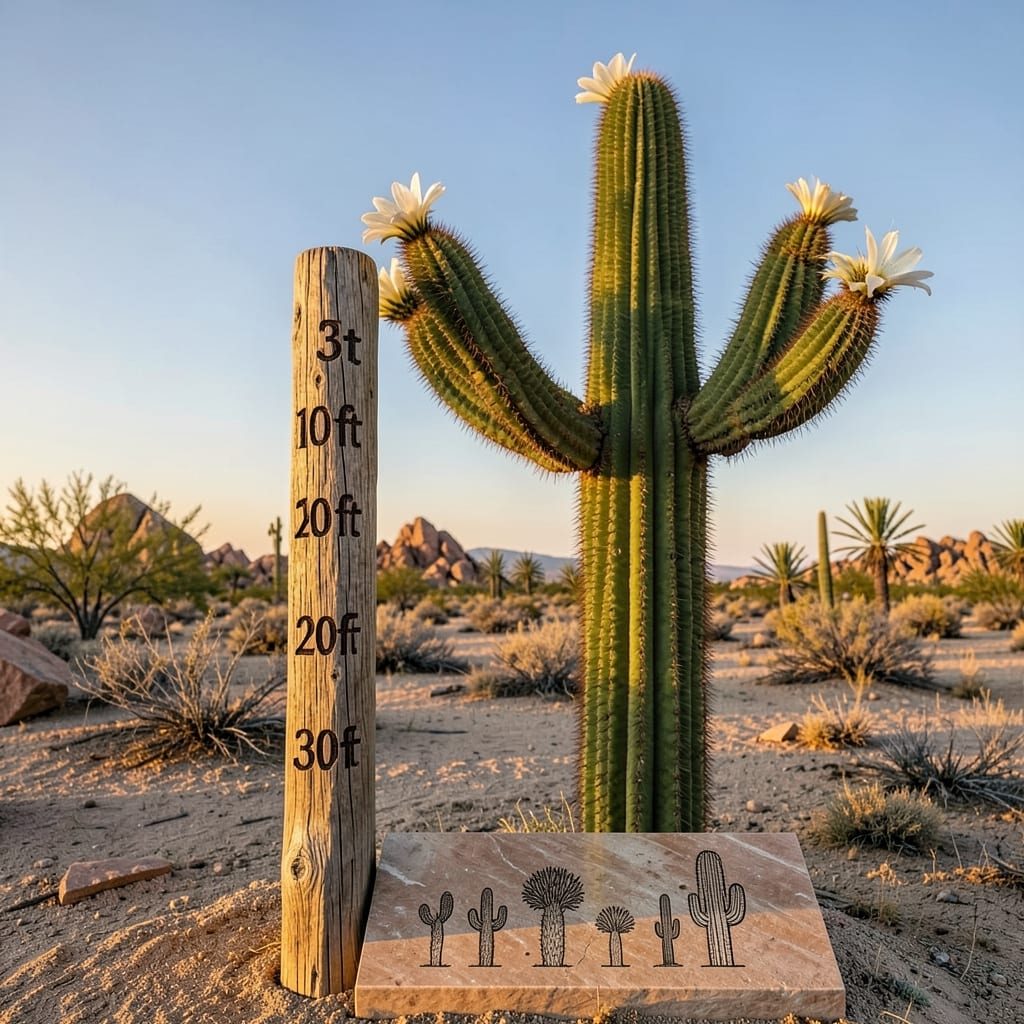
Ever wondered how tall can cactus grow—from your windowsill to your backyard skyline? The answer might surprise you, because these desert survivors range from tiny tabletop plants to towering giants that dwarf your house. 🌵 If you’ve ever dreamed of growing a cactus that stretches toward the clouds (or at least your ceiling), you’re in the right place.
Some cacti stay small enough to fit on a desk, while others grow taller than a two-story building. The difference? Species, care, and environment play huge roles. Whether you’re a beginner with a single pot or a gardener with a sunny patch of land, understanding these factors will help you pick the perfect cactus for your space—and your patience.
In this guide, I’ll break down the height ranges of popular cactus species, from the pint-sized Mammillaria to the legendary Saguaro, plus the secrets to controlling their growth. You’ll learn how sunlight, soil, and even your watering habits can shape their size—and whether your favorite cactus is better suited for a windowsill or a desert landscape.
Ready to discover which cactus will thrive in your home or garden? Let’s dive into the world of these fascinating plants and find the perfect fit for your space—no matter how tall (or short) you want it to grow.

Cactus height by species: smallest to tallest varieties explained
If you’re dreaming of a cactus that fits on your desk or one that could outgrow your living room, the first step is choosing the right species. Cacti come in all shapes and sizes, and their mature heights can vary from just a few inches to over 60 feet. Let’s explore the spectrum so you can pick a cactus that matches your space—and your patience level!
The smallest cacti, like the Mammillaria or Lophophora williamsii (peyote), stay under 12 inches tall, making them perfect for windowsills or terrariums. These pint-sized plants grow slowly but pack a punch with their vibrant flowers. On the other end of the spectrum, the iconic Saguaro (Carnegiea gigantea) can reach 40 to 60 feet tall, towering over desert landscapes like a skyscraper.
Most cacti fall somewhere in between, with heights ranging from 3 to 20 feet. For example, the Barrel Cactus (Echinocactus) typically grows 1 to 3 feet tall, while the Prickly Pear (Opuntia) can spread up to 10 feet wide (though it rarely grows taller than 6 feet). Understanding these ranges will help you visualize how your cactus will fit into your garden or home.
Here’s a quick snapshot of how cactus heights break down by category, from the tiniest tabletop varieties to the desert giants that dominate landscapes:
| Height Range | Species Examples | Growth Rate | Best For |
|---|---|---|---|
| Under 1 ft | Mammillaria, Lophophora williamsii | Slow (1-2 inches/year) | Windowsills, terrariums |
| 1-3 ft | Echinocactus, Ferocactus | Moderate (3-5 inches/year) | Containers, small gardens |
| 3-8 ft | Opuntia (Prickly Pear), Cereus | Moderate-Fast (6-12 inches/year) | Outdoor beds, large pots |
| 10-20 ft | Saguaro (young), Pachycereus | Slow-Fast (varies by species) | Desert landscapes, large gardens |
| 20-60+ ft | Saguaro (mature), Carnegiea | Very Slow (1-2 ft/decade) | Wild deserts, conservation areas |
The Mammillaria and Lophophora are ideal for beginners or those with limited space. Their slow growth means you won’t need to repot them often, and they’re low-maintenance once established. If you’re growing them indoors, place them near a south-facing window to mimic their natural desert sunlight. For outdoor gardens, these tiny cacti thrive in well-draining soil and minimal water, just like their larger cousins.
On the other end, the Saguaro is a long-term commitment. These cacti can live for over 150 years and take decades to reach their full height. If you’re considering a Saguaro for your garden, think about its mature size—it’s not a plant you’ll want to move once it’s established! For most home gardeners, smaller varieties like the Barrel Cactus or Prickly Pear offer a balance of manageable size and stunning visual appeal.
Even within a single species, height can vary based on growing conditions. For example, a Prickly Pear grown in a container will stay shorter than one planted in the ground, where it can spread freely. This flexibility means you can often control a cactus’s height by choosing the right pot or planting spot. Whether you’re aiming for a desk-sized cactus or a backyard centerpiece, there’s a species (or growth strategy) that’s perfect for you.
Next, let’s explore the key factors that influence how tall your cactus will grow—from sunlight exposure to soil type—and how you can tailor these conditions to get the size you want. 🌵
Key factors that determine how tall your cactus will grow
Now that you know which cactus species to choose based on height, let’s talk about what makes them grow tall—or stay small. The height of your cactus isn’t just about genetics; it’s heavily influenced by its environment and the care you provide. From sunlight exposure to soil type, these factors can either encourage your cactus to reach for the sky or keep it compact and manageable. Understanding them will help you control growth and create the perfect conditions for your plant.
One of the biggest influences on cactus height is sunlight exposure. Most cacti thrive in full sun (6+ hours daily), but too much direct sunlight can stress some species, while too little can stunt their growth. For example, a Saguaro cactus in a shaded spot will grow slower and weaker than one basking in the desert sun. If you’re growing cacti indoors, place them near a south-facing window to mimic their natural habitat. Outdoor cacti should be planted in open, sunny areas where they can soak up the rays without competition from taller plants.
Another critical factor is soil type and drainage. Cacti need well-draining soil to prevent root rot, which can stunt growth or even kill the plant. A mix of cactus or succulent soil with perlite or pumice ensures excess water drains away quickly. If your soil is heavy or clay-based, amend it with sand or gravel to improve drainage. Poor soil conditions can slow down growth or cause the cactus to become leggy as it stretches toward better light.
Most cacti need 6+ hours of direct sun daily. Too little light stunts growth, while too much can scorch delicate species like Mammillaria.
Use well-draining cactus mix with perlite or sand. Poor drainage causes root rot, which stunts growth.
Overwatering slows growth; underwatering can cause stress. Let soil dry completely between waterings.
Potted cacti grow slower in smaller containers. Repot every 2-3 years to encourage vertical growth.
Cold climates slow growth; heat accelerates it. Most cacti thrive in USDA Zones 9-11.
Your watering habits also play a surprising role in cactus height. Overwatering is one of the fastest ways to stunt growth, as it leads to root rot and weak, leggy plants. Instead, let the soil dry out completely between waterings. In the wild, cacti store water in their stems, so they’re adapted to drought conditions. Mimic this by watering deeply but infrequently—typically every 3-4 weeks in spring/summer and even less in fall/winter.
If you’re growing your cactus in a container, the size of the pot can dramatically affect its height. Smaller pots restrict root growth, which keeps the cactus compact. However, if you want your cactus to grow taller, choose a pot that’s only slightly larger than its root ball—about 1-2 inches wider than the current container. Repotting every 2-3 years gives roots room to expand, encouraging upward growth. For outdoor cacti, ensure they’re planted in a spot where they won’t be crowded by other plants, as competition for nutrients can limit their height.
Finally, climate and temperature affect how quickly your cactus grows. Cacti in warm, arid climates like the Sonoran Desert grow faster than those in cooler regions. If you live in a cooler climate, you might see slower growth in the first few years. To help your cactus thrive, place it in the sunniest, warmest spot available. For indoor cacti, a heat mat in winter can encourage growth during dormancy. By tweaking these factors, you can accelerate or slow growth to match your space and patience level.
Now that you understand what influences cactus height, let’s explore how to actively manage growth—whether you want to keep your cactus small or encourage it to reach new heights. 🌵