
Trees
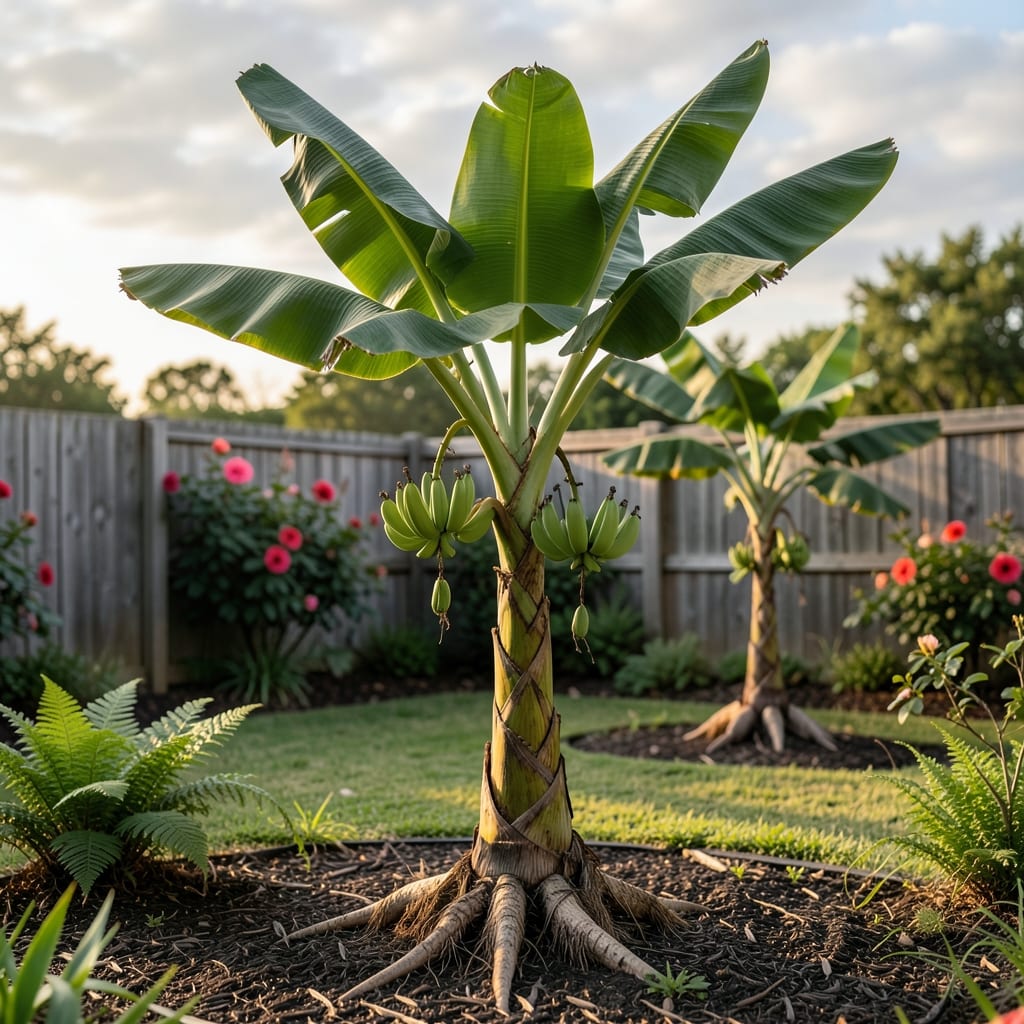
If you’ve ever wondered how tall banana trees can grow, you’re not alone—but the truth might surprise you. Some varieties can soar to 80 feet or more, while others stay as short as 10 feet, making the difference between a backyard centerpiece and a manageable houseplant.
The height of your banana isn’t just luck—it’s a mix of genetics, climate, and care. Whether you’re in a warm subtropical zone or a cooler region, understanding these factors is the key to growing the perfect-sized tree for your space. Let’s break down what makes some banana trees tower over others and how you can influence their growth.
From dwarf varieties that fit neatly in containers to commercial giants that need room to spread, the possibilities are endless. You’ll discover how sunlight, soil, and even pruning techniques play a role in shaping your banana’s height. Ready to turn your garden into a tropical oasis—or at least keep your banana tree from outgrowing your yard?
We’ll cover everything you need to know, from choosing the right variety for your climate to practical tips for managing height. Whether you’re a first-time grower or a seasoned gardener, this guide will help you grow a banana tree that’s just the right size for you.


Banana tree height variations: from dwarf to giant species
Banana trees are famous for their dramatic height differences, ranging from compact dwarf varieties that fit cozy backyards to towering commercial giants reaching skyscraper heights. The Musa acuminata species, for example, often grows between 15–25 feet, while its cousin Musa balbisiana can soar past 30 feet in ideal conditions. Even more impressive, some tropical varieties like the Gros Michel banana can hit 80 feet in their native habitats!
For home gardeners, selecting the right variety is key. Dwarf Cavendish bananas—common in grocery stores—typically stay between 10–15 feet, making them perfect for containers or small gardens. Meanwhile, Lady Finger varieties max out around 12 feet, offering a manageable yet productive option. The trade-off? Smaller trees produce fewer (but sweeter) bananas per bunch.
🌱
| Variety | Mature Height | Leaf Span | Trunk Thickness | Best For |
|---|---|---|---|---|
| Dwarf Cavendish | 10–15 ft | 4–6 ft wide | 6–12 inches | Containers, small gardens |
| Lady Finger | 12–18 ft | 5–7 ft wide | 8–15 inches | Balconies, urban gardens |
| Red Dacca | 20–30 ft | 8–10 ft wide | 18–24 inches | Tropical climates, large yards |
| Gros Michel | 50–80 ft | 12–15 ft wide | 30+ inches | Commercial farms, humid regions |
| Ice Cream Banana | 10–15 ft | 3–5 ft wide | 6–10 inches | Edible flowers, small spaces |
The leaf structure also hints at height potential. Wider leaves (like those on Red Dacca) often signal taller growth, while narrower leaves (common in dwarf varieties) indicate slower vertical expansion. Pay attention to the pseudostem thickness too—thicker trunks support heavier fruit loads and taller heights.
In my Zone 10 garden, I’ve grown Dwarf Cavendish trees that hit 12 feet in just 18 months, while a Red Dacca planted nearby now towers at 22 feet after three years. The difference? Genetics, sunlight, and a well-draining soil mix packed with compost. Even in cooler climates (like Zone 9), with proper winter protection, you can expect 15–20 feet from semi-dwarf varieties.
🌿
One common misconception is that all banana trees grow equally tall. In reality, commercial banana plantations often use propagation techniques like grafting to encourage rapid vertical growth. Home gardeners rarely achieve these heights unless they’re in tropical climates with year-round warmth and high humidity. For example, a Lady Finger banana in Florida might reach 18 feet, while the same variety in California’s coastal regions could max out at 14 feet due to cooler nights.
If you’re dreaming of a banana tree taller than your house, focus on Musa balbisiana hybrids or wild banana species like Musa velutina, which can exceed 30 feet. Just be prepared for the maintenance challenge—taller trees require sturdy support stakes, regular pruning, and protection from winds that can snap their bamboo-like trunks.
🌳
Environmental factors that influence banana tree growth height
Your banana tree’s final height isn’t just about its genetics—it’s heavily influenced by where you live and how you care for it. Climate plays a starring role, with tropical regions like Hawaii or Florida allowing banana trees to reach their maximum potential of 80+ feet, while cooler zones like California or even parts of Texas may cap growth at 15-25 feet without extra care.
Let’s start with temperature. Banana trees thrive in USDA Zones 10-12, where they experience year-round warmth. In Zones 8-9, they’ll grow but may struggle to reach full height due to cooler winters. If you’re in Zone 7 or below, consider growing dwarf varieties or using containers for mobility during cold snaps.
Humidity is another critical factor—banana trees love 70-90% humidity. In dry climates like Arizona or Nevada, you’ll need to mimic tropical conditions with frequent misting, mulching, and even indoor growing setups. Low humidity can stunt growth and lead to leaf browning, signaling stress that limits vertical expansion.
| Factor | Ideal Conditions | Impact on Height |
|---|---|---|
| Temperature | 75–90°F year-round | Max height (80+ ft) in tropical zones |
| Humidity | 70–90% | Dry air stunts growth; low humidity = 10–15 ft max |
| Sunlight | 6+ hours direct sun daily | Full sun = 20–30 ft; partial shade = 10–15 ft |
| Soil | Well-draining, rich in organic matter | Poor soil = stunted roots = 50% height reduction |
Sunlight exposure directly correlates with height—banana trees need at least 6 hours of direct sun daily to reach their full potential. In shadier climates, like the Pacific Northwest, expect your tree to max out at 10-15 feet unless you supplement with grow lights. Even in sunny areas, partial shade can limit growth by up to 50%.
Don’t overlook soil quality, either. Banana trees crave well-draining, nutrient-rich soil with a pH between 5.5 and 7.0. Compacted or clay-heavy soil restricts root growth, which in turn limits how tall your tree can become. Amending your soil with compost or coconut coir can boost height by 30-40% in just one growing season.
Finally, water availability matters—too much or too little can both stunt growth. While banana trees need consistent moisture, waterlogged soil suffocates roots, while drought stress causes leaves to yellow and growth to slow. In regions with seasonal dry spells, like Southern California, deep watering 2-3 times per week can help maintain optimal height.
By tweaking these environmental factors, you can push your banana tree toward its genetic height potential—or keep it compact for container growing. The key is observing your tree’s response and adjusting care as it grows. 🌿