
Succulent
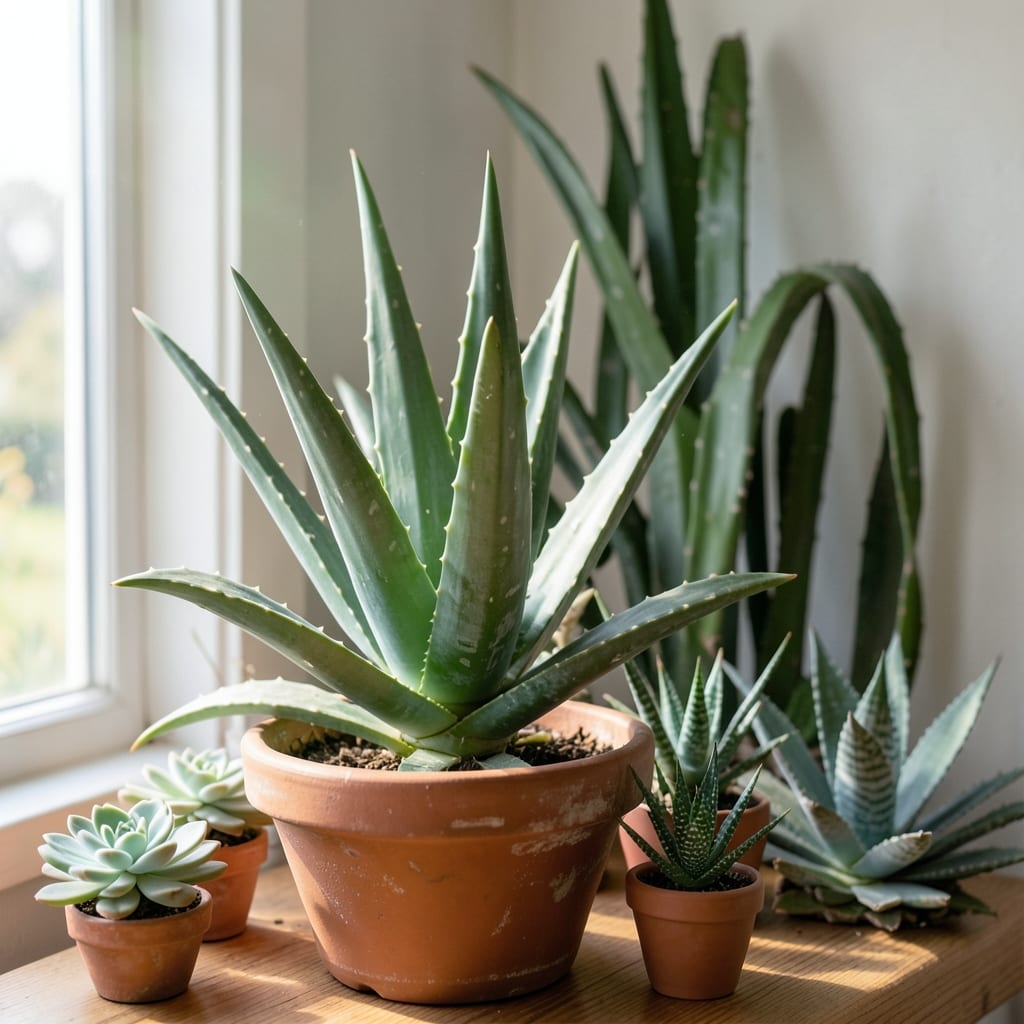
If you’ve ever wondered how tall a succulent can grow and whether your tiny 🌵 will stay cute and compact or suddenly sprout into a towering jungle giant, you’re not alone. The truth is, how tall a succulent grows depends entirely on its species, care routine, and a little bit of genetic luck. Some stay small enough to fit on a windowsill, while others reach heights that’ll make your living room feel like a greenhouse.
Take Echeveria, for example—these popular pups typically max out around 3–12 inches, perfect for shelves or desk decor. But flip the script with an Aloe vera, and you’re looking at a 2–3 foot plant that thrives as a statement piece. The key? Understanding your succulent’s growth potential before it outgrows its welcome.
Light, soil, and even the pot you choose play starring roles in shaping your plant’s height. Too much sun can stretch succulents into leggy monsters, while the right balance keeps them bushy and controlled. Whether you’re dreaming of a dwarf collection or a tall, dramatic centerpiece, knowing these factors is your secret weapon.
Ready to stop guessing and start growing with confidence? Let’s break down the height limits of the most common succulents—and how to keep them from taking over your space (or your heart).


Succulent growth height limits by popular species (with realistic expectations)
Succulents are famous for their compact forms, but some species can surprise you with their towering heights. Whether you're dreaming of a tiny desktop garden or planning a dramatic statement plant, knowing your succulent's mature size helps you choose the right spot. Most stay under 2 feet, but a few can reach tree-like proportions—think 10 feet or more!
Your succulent's eventual height depends on its genetic potential, care conditions, and how much you prune. For example, a Haworthia might stay under 6 inches forever, while an Agave could grow into a 6-foot-tall architectural marvel. Let’s break down the growth expectations for 15+ popular varieties so you can plan your garden layout accordingly.
🌱
| Succulent Species | Mature Height Range | Growth Habit | Ideal Garden Use |
|---|---|---|---|
| Echeveria | 3–12 inches | Rosette-forming | Desk plants, fairy gardens |
| Haworthia | 2–8 inches | Compact rosettes | Windowsills, terrariums |
| Aloe Vera | 2–3 feet | Stemless or branching | Kitchen windows, patios |
| Jade Plant (Crassula ovata) | 3–8 feet | Tree-like with age | Statement indoor plant, bonsai |
| Agave | 2–6 feet | Rosette with thick leaves | Dry gardens, desert landscapes |
| Snake Plant (Sansevieria) | 1–4 feet | Upright, sword-like | Low-light corners, offices |
| Ponytail Palm (Beaucarnea) | 8–12 feet | Tree-like with thick trunk | Large indoor spaces, courtyards |
| Sedum (Stonecrop) | 6 inches–3 feet | Ground cover or trailing | Rock gardens, hanging baskets |
| Hens and Chicks (Sempervivum) | 2–4 inches | Clumping rosettes | Rock gardens, alpine displays |
| Kalanchoe | 1–2 feet | Stemmed with flowers | Bright windows, floral displays |
| Aloe Aristata | 6–12 inches | Compact with spiky leaves | Desk plants, terrariums |
| Burro's Tail (Sedum morganianum) | 1–3 feet (trailing) | Trailing stems | Hanging baskets, shelves |
| Panda Plant (Kalanchoe tomentosa) | 1–2 feet | Bushy with fuzzy leaves | Indoor decor, shelves |
| Blue Chalksticks (Senecio serpens) | 6 inches–2 feet | Trailing or mounding | Hanging pots, rock gardens |
| Elephant Bush (Portulacaria) | 3–6 feet |
5 Factors that control how tall your succulent will grow (and how to adjust them)Your succulent’s height isn’t just genetics—it’s a mix of light exposure, container size, and care habits. Even a dwarf Echeveria can stretch if given too much water or shade, while a Jade Plant might stay compact with the right pruning. Let’s break down the 5 key factors that determine how tall your succulent grows—and how to tweak them for your desired size. First, sunlight is the #1 growth regulator. Succulents crave 6+ hours of direct sun daily, which triggers natural growth hormones. Too little light? Your plant will stretch leggily (a sign of etiolation) to reach for light, while too much can scorch delicate leaves. For compact growth, place your succulent in bright, indirect light or use a south-facing window. Next, pot size directly impacts root growth. A too-large container holds excess moisture, encouraging faster (and taller) growth. For dwarf varieties like Haworthia, use pots just 1-2 inches wider than the plant’s base. For larger species like Aloe Vera, upgrade to 6+ inch pots only when roots fill the current container. Your watering routine plays a sneaky role too. Overwatering stresses roots, forcing succulents to grow taller to support their weight. Always let soil dry completely between waterings—stick your finger in the soil up to 1 inch deep. If it’s damp, wait. For controlled height, reduce watering in spring/summer when growth is most active. Don’t underestimate pruning as a growth hack! Regularly snipping leggy stems (just above a leaf node) encourages bushier, shorter growth. For tall varieties like Agave, prune the top 1/3 of the stem to redirect energy to side shoots. Just avoid cutting more than 30% of the plant at once to prevent shock. Finally, seasonal cycles matter. Succulents grow fastest in spring and summer when temperatures are warm. In fall/winter, growth slows naturally—this is their dormancy period. Reduce fertilizing and watering during these months to prevent unexpected height spikes. For indoor succulents, supplement with a grow light 12 hours/day to maintain steady (but controlled) growth. 🌱 Growth Control Cheat Sheet
Pro tip: Combine these factors for perfectly proportioned succulents. For example, pair a small pot with bright light and minimal water to keep a Haworthia under 6 inches tall. Or, give a Jade Plant extra sun and a larger pot to encourage its natural 3–8 foot height. Experiment and observe—your succulent’s growth habits will reveal themselves over time! Remember, even the tallest succulents (like Agave or Paddle Plants) can be managed with these adjustments. With the right care, you’ll have succulents that fit your space—whether you want a desk-sized Echeveria or a statement-piece Aloe. |