
Flowers
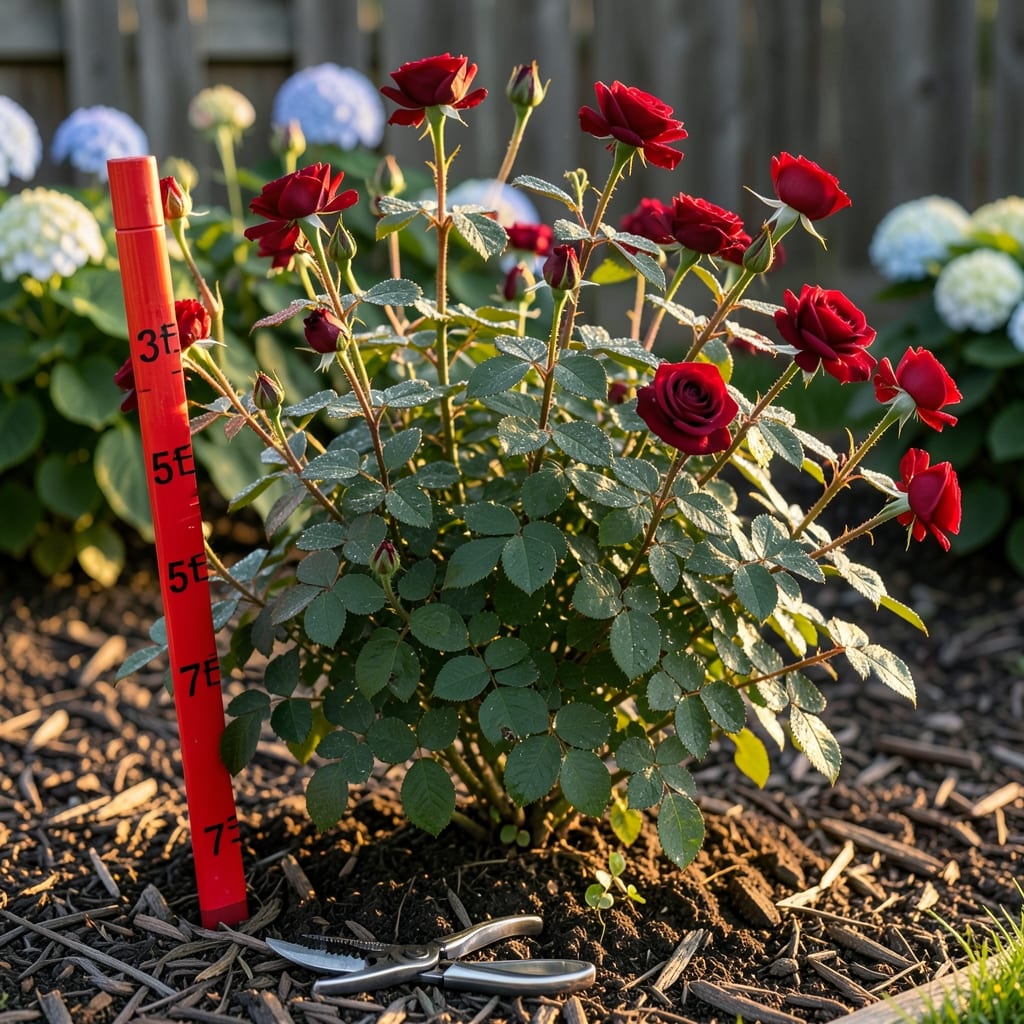
If you’ve ever dreamed of a garden where a rose can grow how tall it climbs like living vines up a trellis or fence, you’re not imagining things—some varieties can stretch 20 feet tall or more without any help! The height of a rose isn’t just about luck; it depends on the type you choose and how you care for it.
Climbing roses, in particular, are the stars of vertical gardening, reaching heights that dwarf even the tallest shrubs. Whether you’re planning a romantic arbor or a bold statement wall, picking the right variety is the key to success. But here’s the catch: not all roses grow sky-high—some stay compact, while others stretch toward the clouds.
In this guide, I’ll break down the natural growth ranges of different rose types, from petite climbers to giants that need serious support. You’ll also discover how sunlight, pruning, and soil can push (or limit) their height—plus the best varieties for your space.
Ready to transform your garden into a lush, fragrant vertical masterpiece? Let’s dive into the world of towering roses and find your perfect match.


Natural growth heights of climbing roses: from 6 to 20 feet
When planning your garden, the height potential of a rose variety determines whether it thrives on a small trellis or a towering wall. Climbing roses are divided into three main height categories: dwarf climbers (6-10 ft), standard climbers (10-15 ft), and giant varieties (15-20+ ft). The difference isn't just in height—it's in their growth habits and support needs.
For example, the 'New Dawn' rose typically reaches 8-12 feet and is perfect for small fences or arbors, while 'Zephirine Drouhin' can soar to 20+ feet if given the right conditions. Understanding these differences ensures you select a rose that fits your space and vision.
🌹
If you're wondering how tall a rose can grow in your garden, consider the mature height of the variety you choose. 'Zephirine Drouhin', for instance, is famous for its ability to reach 20+ feet without any support, though it thrives best when trained on a sturdy structure. This makes it ideal for covering tall walls or large pergolas.
For smaller spaces, 'New Dawn' is a fantastic choice, reaching 8-12 feet and blooming repeatedly throughout the season. It’s also disease-resistant, making it low-maintenance for busy gardeners.
Another key factor is the growth rate. Some varieties, like 'Blaze', can grow 3-5 feet per year under ideal conditions. This means a 10-foot trellis could be fully covered in just 2-3 years.
Choosing the right height also depends on your local climate. In cooler zones (USDA 5-7), roses may grow slightly slower but still reach their full potential with proper care. In warmer zones (USDA 8-10), growth can be more vigorous, so pruning becomes even more critical.
Don’t overlook dwarf climbing roses like 'Dorothy Perkins', which maxes out at 6-8 feet. These are perfect for balconies or small patios where space is limited but you still want that romantic climbing rose look.
When selecting a rose, always check the mature height listed on the tag or in catalogs. This ensures you won’t end up with a 20-foot monster when you only have room for a 6-foot trellis.
Finally, remember that pruning plays a huge role in managing height. Even the tallest roses can be kept in check with regular pruning, while dwarf varieties may need minimal trimming to encourage bushier growth.
Now that you know the range of heights, you’re ready to pick the perfect rose for your garden’s vertical space! 🌿
Factors that influence rose height: sunlight, pruning, and soil
Your climbing rose's height isn't just genetics—it's a mix of sunlight exposure, pruning techniques, and soil quality. While some varieties naturally reach 20 feet, others stay compact without proper care. Let's break down how to maximize vertical growth while keeping your roses healthy.
First, sunlight is non-negotiable for tall roses. Most climbing varieties need 6-8 hours of direct sun daily to reach their full potential. Without enough light, growth slows, and stems become weak. I once saw a 'Zephirine Drouhin' rose grow 15 feet in one season with full sun, but a neighbor's identical plant in partial shade only reached 8 feet.
Next, pruning plays a crucial role. For vertical growth, focus on selective pruning—removing only dead or crossing branches. Avoid heavy pruning, which can stunt height. Instead, train new canes along your trellis or fence by gently tying them with soft plant ties. This encourages upward growth while maintaining a strong structure.
Don't overlook soil nutrients. Roses thrive in well-draining soil rich in organic matter. A balanced fertilizer (like 10-10-10) applied every 4-6 weeks during growing season promotes strong root development, which supports taller growth. I always add compost to the planting hole for extra nutrients.
Watering also impacts height. Deep watering 2-3 times per week during dry spells keeps stems sturdy. Shallow watering leads to weak growth and shorter plants. I use a soaker hose to deliver water directly to the roots without wetting the foliage, which helps prevent fungal issues that can weaken tall roses.
Finally, support structures matter. Even the tallest roses need guidance. Install a trellis, arbor, or fence at planting time so the rose has something to climb as it grows. Without support, stems can flop or break under their own weight. I recommend using galvanized wire or wooden posts for durability.
By mastering these factors, you can coax even dwarf climbing roses to reach their maximum height potential. The key is consistency—give your roses the right conditions, and they'll reward you with stunning vertical displays.
Remember, every rose variety has its own growth quirks. Some, like 'Blaze', grow aggressively with the right care, while others need more patience. Experiment with different techniques, and don't be afraid to adjust as your roses grow!
🌿