
How To
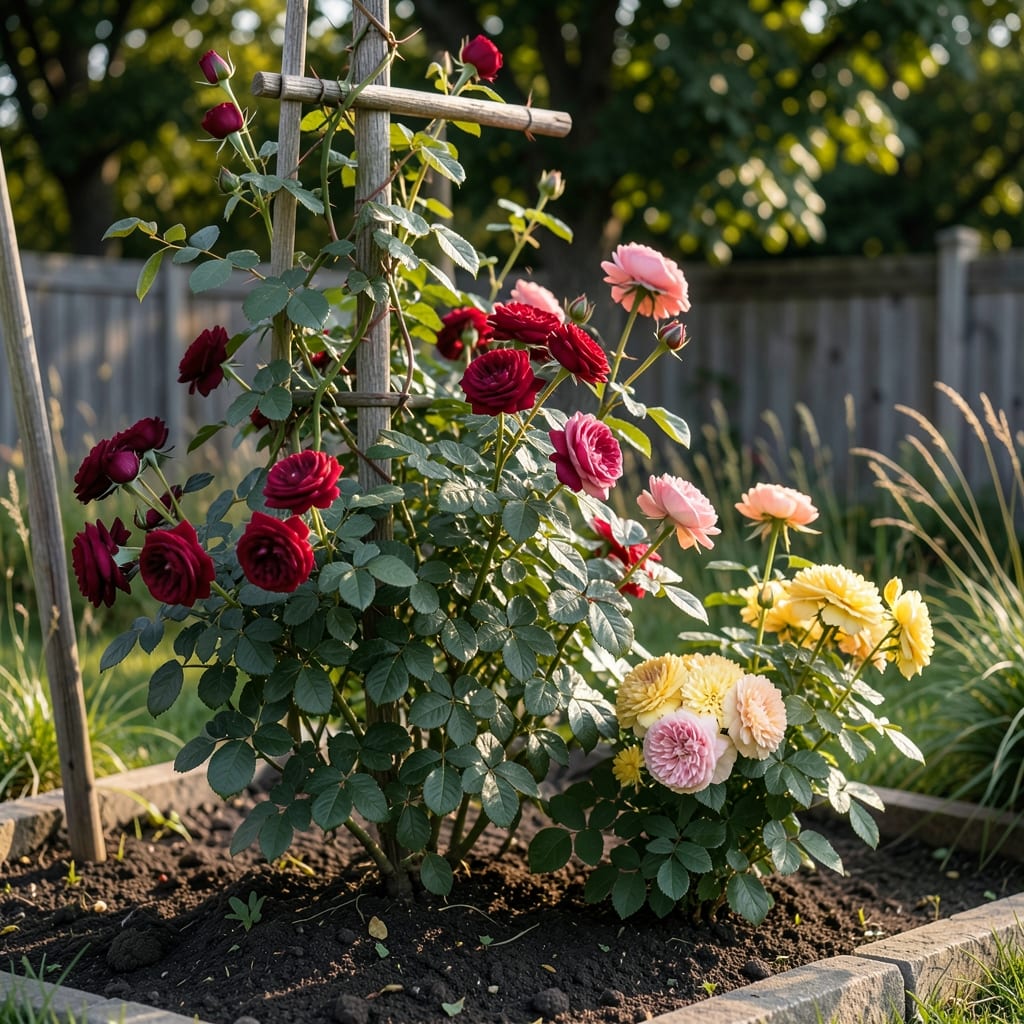
If you’ve ever wondered how tall can a rose bush grow—or why yours seems to stretch toward the sky like a 🌹 superstar—you’re not alone. The truth is, rose bush heights vary wildly, from tiny tabletop varieties to towering climbers that need a ladder just to admire. What you might not realize is that genetics, pruning, and even your local climate play a bigger role than most gardeners give them credit for.
Take a standard rose bush in Zone 6a, for example—it could easily reach 5 to 8 feet if left unchecked, but with the right techniques, you can shape it to fit your space perfectly. Whether you’re dreaming of a compact bush for a small garden or a climbing rose that drapes elegantly over a trellis, understanding the growth patterns of your specific variety is the key to keeping it in check.
In this guide, I’ll break down the natural height ranges of different rose types—from miniature roses that stay under 3 feet to climbing varieties that can soar over 15 feet. You’ll also discover how seasonal pruning, soil conditions, and sunlight exposure can either encourage or rein in that vertical growth. By the end, you’ll have the tools to train your roses to grow exactly how you want them—no jungle vines required.
The best part? You don’t need a green thumb to control your rose bush’s height. With a few simple strategies, you’ll learn how to prune for shape, support climbing varieties, and even encourage bushier growth when that’s your goal. Let’s get started—your perfectly sized roses are waiting!


Natural height ranges of rose bush varieties: from miniature to climbing giants
The height of your rose bush depends almost entirely on its variety. Some roses stay as small as 12 inches, while others can climb over 20 feet with proper support. Understanding these differences helps you choose the perfect rose for your space and manage its growth effectively. For example, a miniature rose like 'Fairy Tale' stays under 2 feet, making it ideal for container gardens, while a climbing rose like 'New Dawn' can reach 15 feet or more when trained.
Sunlight and soil quality also play a role. Roses in full sun (6+ hours daily) tend to grow taller and bushier, while those in partial shade may stay shorter but produce fewer blooms. Well-draining, nutrient-rich soil encourages healthy growth, while poor soil can stunt even the hardiest varieties. If you're in Zone 6a, expect standard roses to mature between 3 to 6 feet without intervention, but with the right care, you can shape them to fit your garden's design.
Here’s a quick breakdown of the most common rose types and their typical mature heights. Use this as your guide to selecting roses that align with your space and vision:
| Variety | Height Range | Notes |
|---|---|---|
| Miniature Roses | 12" - 3 ft | Perfect for containers, borders, or rock gardens. Blooms are small but prolific. |
| Floribunda Roses | 2 - 4 ft | Bushy and compact, ideal for mixed borders. Produces clusters of blooms. |
| Hybrid Tea Roses | 3 - 5 ft | Classic cut flowers with large, single blooms. Requires regular deadheading. |
| Shrub Roses | 4 - 6 ft | Hardy and disease-resistant. Thrives in full sun with minimal care. |
| Climbing Roses | 10 - 20+ ft | Needs a trellis or fence. Can be trained to stay shorter with pruning. |
If you’re working with limited space, consider dwarf varieties like 'The Fairy' or 'Tom Thumb,' which max out at 18 inches. These are perfect for window boxes or small patios. On the other hand, if you want to create a dramatic focal point, climbing roses are unbeatable. Just be prepared for the maintenance—these beauties need regular pruning and support to keep them from becoming unruly.
Another factor to consider is the growth habit of your rose. Some varieties, like polyantha roses, grow in a more bushy, rounded shape and rarely exceed 3 feet. Others, like grandiflora roses, can grow tall and leggy if not pruned properly. Pay attention to the canes or stems—thicker, woody canes often indicate a taller-growing variety, while slender, flexible canes suggest a bushier habit.
For gardeners in cooler climates, like Zone 6a, growth may be slightly slower, but with proper winter protection, roses can still reach their full potential. In warmer zones, roses often grow faster and taller, so more frequent pruning may be necessary to maintain your desired height. Always monitor your rose’s growth throughout the season and adjust your care routine accordingly.
One common mistake I see is assuming all roses grow the same way. A hybrid tea rose left unpruned can easily reach 6 feet, while a climbing rose without support can sprawl 20 feet or more. The key is to prune strategically and choose varieties that match your garden’s layout. For example, planting a 3-foot floribunda behind a 5-foot shrub rose creates a layered, textured look that’s both functional and beautiful.
Pro tip: If you’re unsure about a rose’s mature height, check the plant tag or look it up online before purchasing. Many nurseries provide care guides that include height expectations. This small step can save you hours of pruning later! Remember, the goal isn’t to stifle your rose’s growth but to guide it in a way that enhances your garden’s design.
🌹
Pruning techniques to control rose bush height by season
Pruning isn’t just about keeping your rose bush looking tidy—it’s the secret weapon for controlling its height. Whether you want a compact bush that stays under 3 feet or a tall climber reaching 15 feet, the right cuts at the right time make all the difference. The key is understanding seasonal pruning and how it interacts with your rose’s natural growth cycle.
For example, spring pruning is all about shaping the plant for the growing season, while summer pruning focuses on deadheading and encouraging bushier growth. Even fall pruning plays a role in preparing your rose for winter dormancy. Without these techniques, your rose bush could easily grow wild and unruly, reaching heights you never intended.
Let’s break down the step-by-step pruning guide for each season, including the tools you’ll need and common mistakes to avoid. By mastering these techniques, you’ll gain full control over your rose bush’s height—no matter what variety you’re growing.
🌿 Step-by-Step Pruning Guide by Season
- 🌱 Spring Pruning (Late March - Early April)
- Goal: Remove dead, diseased, or crossing branches
- Cut: Make clean cuts 1/4 inch above an outward-facing bud
- Tip: Open center of bush for airflow and sunlight
- ☀️ Summer Pruning (June - August)
- Goal: Deadhead spent blooms and thin overcrowded stems
- Cut: Prune back to nearest 5-leaf cluster for bushier growth
- Tip: Avoid heavy pruning—focus on maintenance
- 🍂 Fall Pruning (October - November)
- Goal: Prepare for winter dormancy and remove weak growth
- Cut: Shorten stems to 1/3 of their height for hardy varieties
- Tip: Stop pruning 6 weeks before first frost
- ❄️ Winter Pruning (Dormant Season)
- Goal: Remove dead wood and shape for spring growth
- Cut: Prune only if needed—avoid heavy cuts
- Tip: Use sterilized tools to prevent disease spread
One of the biggest mistakes gardeners make is pruning at the wrong time of year. For example, heavy pruning in late summer can stunt new growth before winter, while pruning too late in fall leaves your rose vulnerable to frost damage. Always prune when your rose is actively growing—never on dormant wood.
Another critical tip? Use the right tools. A sharp bypass pruner makes clean cuts that heal faster, while dull shears can crush stems, inviting disease. Pair your pruners with hand pruners for smaller branches and a pruning saw for thicker stems. Sterilize your tools with rubbing alcohol between cuts to prevent the spread of black spot or powdery mildew.
Remember, the goal isn’t just to control height—it’s to encourage healthy, vibrant growth. With these seasonal techniques, you’ll not only keep your rose bush at your desired height but also maximize blooms and minimize pests. Happy pruning!