
Trees
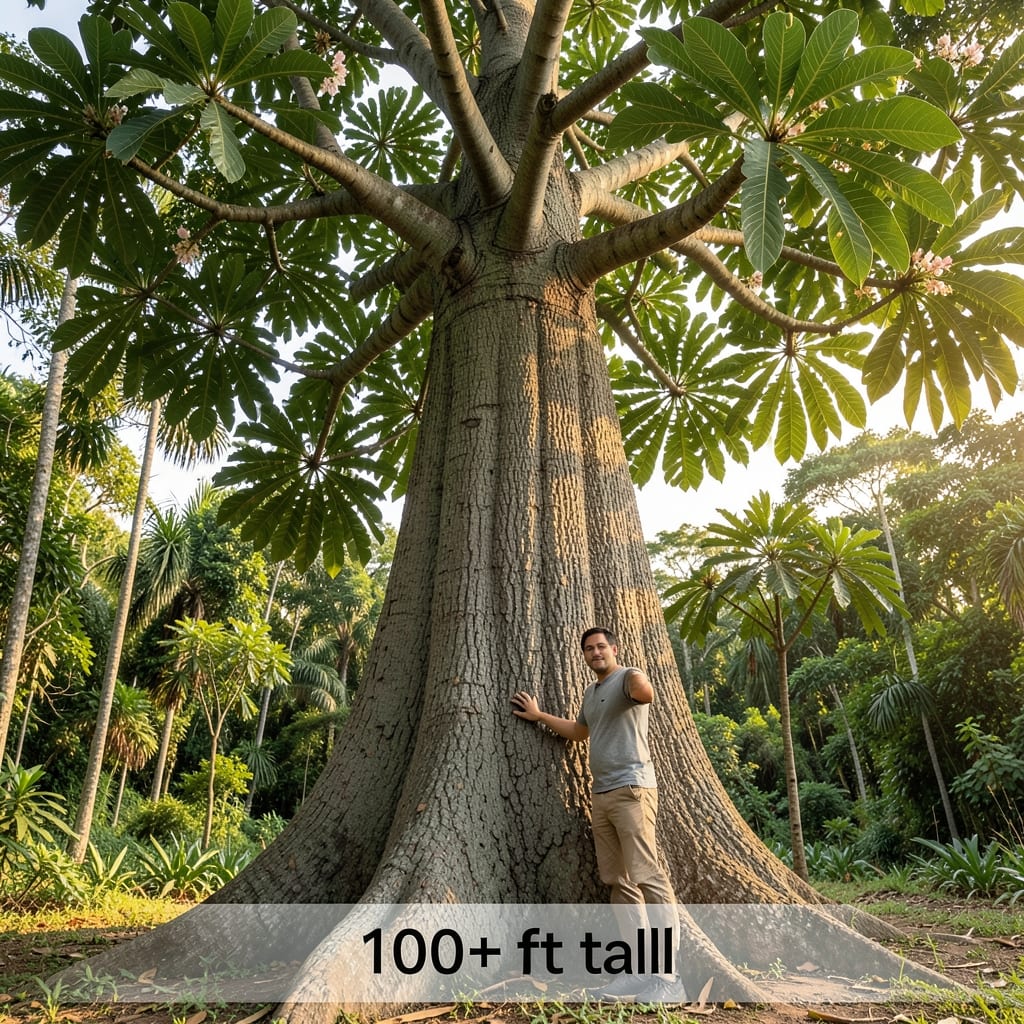
If you’ve ever dreamed of planting a tree that could one day rival a skyscraper, the kapok tree 🌳 might just be your answer—but first, you’ll want to know how tall a kapok tree can grow. This tropical giant isn’t just tall—it’s legendary, with some specimens stretching over 200 feet in the wild, making it one of the world’s most impressive trees. But before you rush to plant one, there’s more to its height than meets the eye.
What makes the kapok tree’s growth so remarkable isn’t just its speed—it’s how dramatically its height can shift depending on where you plant it. In its native tropical rainforests, it thrives, reaching towering proportions. But in your backyard or urban garden? That’s a whole different story. The truth is, its height potential can change everything about how—and where—you grow it.
Curious how fast it grows or whether it’s even practical for your space? I’ll break down the science behind its staggering height, from its rapid early growth to the factors that keep it from becoming a backyard giant. Spoiler: if you’re dreaming of a 60-foot tree in your yard, you might need to think smaller—or plan ahead.
Let’s explore how tall a kapok tree can grow, what limits its height in real-world settings, and whether it’s the right towering addition for your landscape. Ready to discover the secrets behind this natural skyscraper?


Kapok tree height: maximum growth records and natural habitat factors
The kapok tree (Ceiba pentandra) isn’t just tall—it’s a tropical titan, capable of reaching heights that dwarf most backyard trees. In its native rainforest habitats, this species can soar to 150–200 feet, rivaling the towering coastal redwoods of California. The record holder, a kapok tree in Suriname, stands at a staggering 230 feet, making it one of the tallest trees in the world.
What’s even more impressive is how quickly it grows. Under ideal conditions, a kapok tree can add 3–6 feet per year during its first decade, with some specimens growing 10 feet in a single season. This rapid growth is fueled by its deep root system and adaptability to humid, tropical climates. However, its height isn’t just about genetics—it’s heavily influenced by environmental factors like sunlight, rainfall, and soil quality.
In the wild, kapok trees thrive in USDA Hardiness Zones 10–12, where they receive year-round warmth and consistent rainfall. These conditions allow them to develop their iconic buttressed trunks and expansive canopies, which can span 100 feet wide. Without these ideal conditions, however, their growth potential shrinks dramatically. For example, in subtropical zones, kapok trees rarely exceed 60–80 feet, even with optimal care.
🌳 Kapok Tree vs. Other Tall Trees: Height Comparison
| Tree Type | Max Height (Feet) | Growth Rate (Feet/Year) | Ideal Climate |
|---|---|---|---|
| Kapok Tree (Ceiba pentandra) | 200+ | 3–6 (early years) | Tropical rainforests |
| Coastal Redwood (Sequoia sempervirens) | 380 | 2–3 (slow early growth) | Coastal California |
| Eucalyptus (Eucalyptus regnans) | 330 | 5–8 (fast early growth) | Temperate forests |
| African Baobab (Adansonia digitata) | 80–100 | 1–2 (slow, wide growth) | Savannas |
Note: Growth rates vary by species and environmental conditions.
One of the most critical factors limiting a kapok tree’s height is soil quality. In nutrient-rich, well-draining soils, these trees develop stronger trunks and faster upward growth. However, in poor or compacted soils, their height can be stunted by 20–30%. For example, kapok trees grown in urban settings with limited root space often max out at 30–50 feet, even with regular care.
Another key factor is pruning practices. While kapok trees are often left unpruned in the wild, selective pruning can redirect their energy toward height rather than lateral growth. However, over-pruning can stress the tree, slowing its vertical development. In container-grown kapok trees, pruning is essential to manage height, but it’s a delicate balance—cutting too much can limit their potential to reach even 20–30 feet in ideal conditions.
Rainfall also plays a crucial role. Kapok trees require at least 60–100 inches of annual rainfall to reach their full height. In drier climates, such as parts of Florida or Hawaii, they may only grow to 40–60 feet unless supplemented with regular irrigation. Even then, their growth rate slows significantly compared to their tropical counterparts.
The kapok tree’s height isn’t just about raw potential—it’s a delicate balance of genetics, environment, and care. While it’s possible to grow one that reaches 100 feet in a tropical climate, most gardeners will find their trees capped at 30–60 feet in non-native settings. Understanding these limitations is key to setting realistic expectations for your own kapok tree adventure.
If you’re dreaming of a backyard skyscraper, the kapok tree’s height potential is undeniably thrilling—but remember, its true magic lies in the right conditions. Without them, even the most ambitious gardener might find their kapok tree growing more like a small shade tree
How long does it take for a kapok tree to reach full height?
The kapok tree’s growth journey is a mix of rapid early expansion and slowing maturity. In its first 5 years, you can expect a healthy kapok tree to shoot up 8–15 feet, thanks to its fast juvenile growth rate. This explosive early phase is why many gardeners are tempted to plant one—imagine a 10-foot tree in just 3–4 years! However, the real magic happens in the next 10–15 years, where growth continues but at a more steady pace of 2–4 feet per year.
By age 20, a well-cared-for kapok tree in ideal tropical conditions can reach 50–70 feet. This is where the real test begins—whether your tree will keep soaring toward 100+ feet or plateau at 30–50 feet due to climate limitations. For example, in Florida’s subtropical zones, kapok trees often stagnate around 40–60 feet unless given extra care, like supplemental irrigation during dry spells.
🌱 Kapok Tree Growth Milestones
- Year 1–3: 2–8 feet (fast trunk development)
- Year 4–10: 15–30 feet (canopy begins forming)
- Year 11–20: 40–60 feet (growth slows slightly)
- Year 20+: 60–200+ feet (only in tropical climates)
Note: Growth rates vary by climate and care.
One common misconception is that kapok trees grow unlimited height if given enough space. While they can reach 200 feet in the wild, most gardeners will never see that kind of growth. In non-tropical zones, kapok trees often stop growing taller around 30–50 feet due to shorter growing seasons and cooler winters. For instance, in Hawaii’s drier regions, kapok trees might only reach 20–30 feet unless provided with year-round warmth and high humidity.
Pruning plays a surprising role in shaping a kapok tree’s height. While minimal pruning is best for encouraging natural growth, selective pruning of lower branches can redirect energy upward, helping the tree grow taller faster. However, over-pruning can stress the tree, causing it to slow its growth or even stunt entirely. In container-grown kapok trees, pruning is almost mandatory to keep height manageable, but it’s a delicate balance—cut too much, and you’ll limit its potential to even 20 feet.
Another factor that slows growth is soil quality. Kapok trees thrive in deep, nutrient-rich soils with good drainage. In poor or compacted soils, their roots struggle to access water and nutrients, which can reduce height growth by 30–40%. For example, in urban settings with limited root space, kapok trees often max out at 30–40 feet, even with optimal care. This is why many gardeners in subtropical zones opt for dwarf varieties or container cultivation to manage height.
If you’re dreaming of a backyard kapok tree, it’s essential to manage expectations. While it’s possible to grow one that reaches 60–80 feet in ideal conditions, most home gardeners will see their trees capped at 30–50 feet. The key to maximizing height is providing the right environment—full sun, consistent moisture, and protection from frost. With the right care, your kapok tree might just become the tallest shade provider in your neighborhood—without needing a skyscraper’s worth of space.
Ready to start your kapok tree journey? Just remember: patience is key—these giants take decades to reach their full potential, but the wait is worth it for a tree that can outshine even the tallest redwoods.