
Size
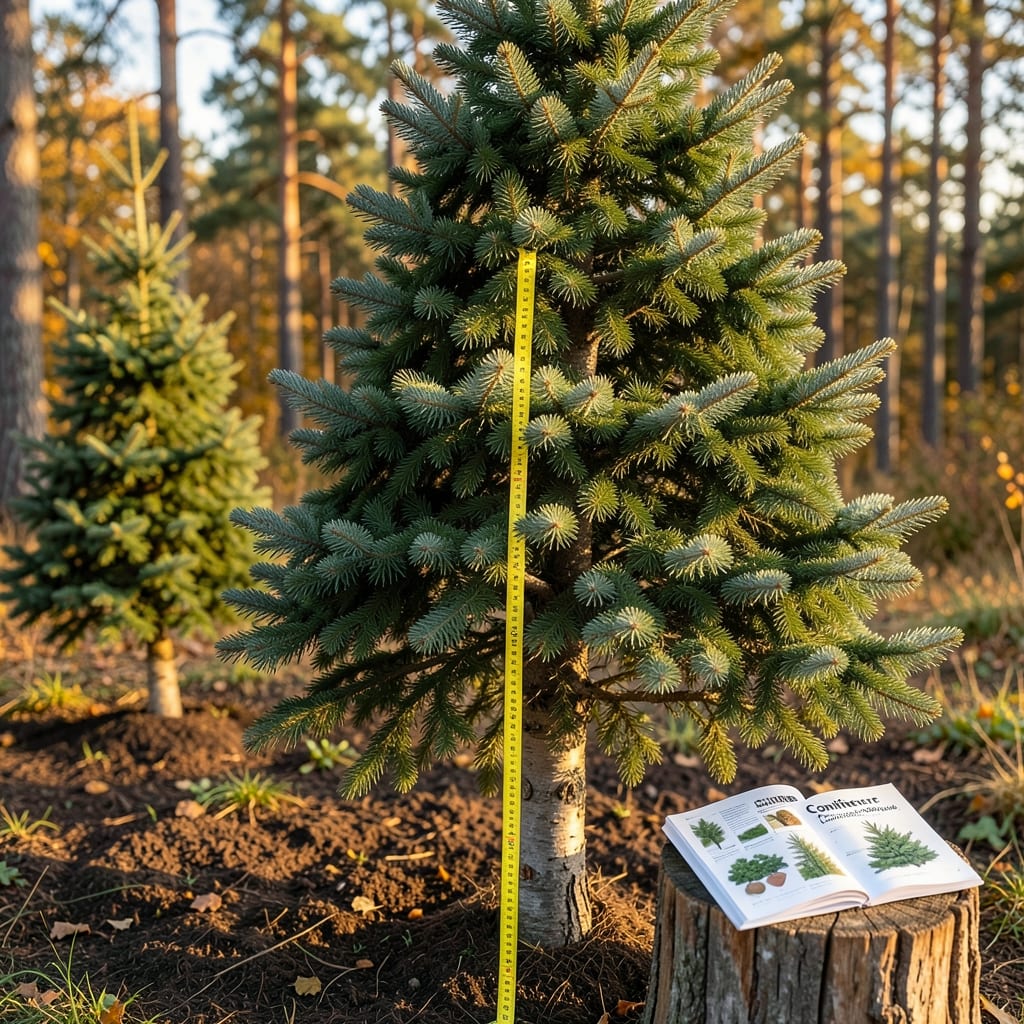
If you’ve ever dreamed of a Christmas Tree 🎄 that reaches taller than your house, you’re not alone—some varieties can grow over 120 feet tall! But before you let your backyard become a forest, knowing which species stay compact and which shoot for the sky is the key to planning your perfect holiday centerpiece.
Gardeners often assume all Christmas trees grow to the same towering height, but the truth is far more interesting. Some species mature at just 4-8 feet, making them ideal for containers, while others like the Douglas fir can surge past 60 feet in just a decade. Understanding these differences helps you choose the right tree for your space—or decide whether to plant one at all.
What’s even more surprising is how quickly these trees grow when given the right conditions. With proper sunlight, soil, and pruning, you could have a 20-foot tree ready for the holidays in as little as 10 years. But without control, that same tree could become an unmanageable giant. I’ll show you how to keep it under control—or let it grow wild, if that’s your style.
Whether you’re a home gardener with limited space or a landscaper planning a statement piece, this guide breaks down everything you need to know. From the fastest-growing species to the best pruning techniques, you’ll learn how to grow a Christmas tree that fits your vision—no matter how tall you want it to be.

Christmas tree species growth heights: from dwarf to sky-scraping giants
Not all Christmas trees are created equal when it comes to height. Some varieties stay compact enough for a container garden, while others reach heights that make skyscrapers look modest. The key difference lies in the species—whether you choose a dwarf Alberta spruce (4-8 feet) or a Douglas fir (60+ feet), your tree’s mature size will depend entirely on genetics and growing conditions.
For home gardeners with limited space, dwarf and semi-dwarf varieties are the best bet. These trees mature between 4-18 feet, making them perfect for patios or small yards. But if you’re dreaming of a holiday centerpiece that towers over your house, standard varieties like the Noble fir or Fraser fir will deliver the dramatic height you crave—often exceeding 20 feet in just a decade.
Here’s the surprising part: some Christmas trees can grow 3-6 feet per year under ideal conditions. That means a 10-foot tree could become a 60-foot giant in as little as 10 years—unless you intervene with pruning. But before you panic, know that growth rates slow significantly after the first 5-7 years, so early planning is everything.
🎄
| Species | Mature Height | Growth Rate (First 10 Years) | Best For |
|---|---|---|---|
| Dwarf Alberta Spruce | 4-8 ft | 6-12 in/year | Containers, small yards |
| Blue Spruce | 12-20 ft | 1-2 ft/year | Medium yards, privacy screens |
| Scotch Pine | 30-50 ft | 2-3 ft/year | Large properties, windbreaks |
| Douglas Fir | 60-120 ft | 3-6 ft/year | Commercial farms, forests |
| Fraser Fir | 20-40 ft | 2-4 ft/year | Holiday centerpieces, large yards |
| Noble Fir | 30-60 ft | 2.5-5 ft/year | Commercial growers, statement trees |
| White Pine | 40-70 ft | 2-4 ft/year | Wild gardens, natural landscapes |
The Douglas fir and Noble fir are the fastest growers, capable of adding 3-6 feet to their height each year. If you’re planting one in your yard, expect it to reach 20 feet in just 5 years—so plan accordingly. Meanwhile, dwarf varieties like the Alberta spruce grow at a leisurely pace, making them ideal for gardeners who want a low-maintenance option that stays small.
Soil type plays a huge role in growth rates. Well-draining, acidic soil (pH 4.5-6.0) is ideal for most Christmas trees, as it mimics their natural forest habitats. Amending clay soil with peat moss or pine bark can help faster growth, while sandy soil may require regular organic mulch to retain moisture and nutrients.
Sunlight is another critical factor. While all Christmas trees thrive in full sun (6+ hours daily), some species like the Fraser fir can tolerate partial shade, which slows their growth but improves needle retention. If you’re growing a tree in a shady yard, expect it to mature 20-30% slower than in optimal conditions.
🌱
For gardeners who want a balanced approach, semi-dwarf varieties like the Blue Spruce or Scotch Pine offer a middle ground. These trees grow tall enough to make a statement but stay manageable for most home landscapes. They also produce dense foliage, which is perfect for creating natural privacy screens or windbreaks.
One common mistake is assuming all Christmas trees grow at the same rate. In reality, pruning habits
When and how to prune Christmas trees for controlled height growth
Pruning is the secret weapon for controlling your Christmas tree’s height—whether you want a compact holiday centerpiece or a manageable backyard giant. The key is timing: prune at the right season, and you’ll encourage fuller growth without sacrificing height. But prune at the wrong time, and you risk stunting your tree’s development or inviting pests. For most species, late winter or early spring (just before new growth begins) is ideal, but some varieties like the Douglas fir respond better to summer pruning.
If you’re growing a standard variety like a Noble fir, start pruning when the tree reaches 3-5 feet tall. This encourages a stronger branch structure and prevents the top-heavy look that makes trees prone to wind damage. For dwarf varieties, minimal pruning is needed—just remove dead branches or overcrowded growth to maintain shape. The goal is to shape the tree while preserving its natural form, so avoid heavy pruning that leaves large gaps in the foliage.
🪴
Cutting back more than 25% of the tree’s foliage in one session can stress it, leading to poor needle retention or even death. Always remove branches gradually—never more than 10-15% of the total canopy at a time. For young trees, limit pruning to 5-10% to avoid stunting growth.
Tools matter just as much as timing. Use sharp, clean pruning shears or a hand saw for thicker branches, and always make cuts just above a bud or branch collar to promote faster healing. Disinfect your tools with rubbing alcohol between cuts to prevent spreading disease. For larger branches, consider using a pole saw to avoid damaging the tree’s structure while reaching higher limbs.
Seasonal pruning strategies vary by species. Evergreens like Fraser firs benefit from light pruning in late summer to remove sparse or crossing branches, while pines like Scotch pine should be pruned in early spring to avoid attracting pests. Avoid pruning in fall or winter, as this can leave wounds vulnerable to frost damage and disease.
To encourage a fuller, bushier tree without excessive height, focus on selective pruning. Trim the topmost branches by about 1/3 to slow vertical growth while stimulating lateral branching. This technique works especially well for Douglas firs and Noble firs, which can grow 3-6 feet per year if left unchecked. For a Christmas tree-shaped silhouette, prune the lower branches more aggressively to create a tapered look.
🌿
Finally, remember that pruning isn’t just about height control—it’s also about tree health. Regularly remove dead, diseased, or weak branches to improve air circulation and reduce the risk of pests. If you’re growing a tree for holiday use, avoid heavy pruning in the last 2-3 years before harvest, as this can stress the tree and reduce needle quality. With the right approach, your Christmas tree can stay manageable, healthy, and stunning for decades.