
How To
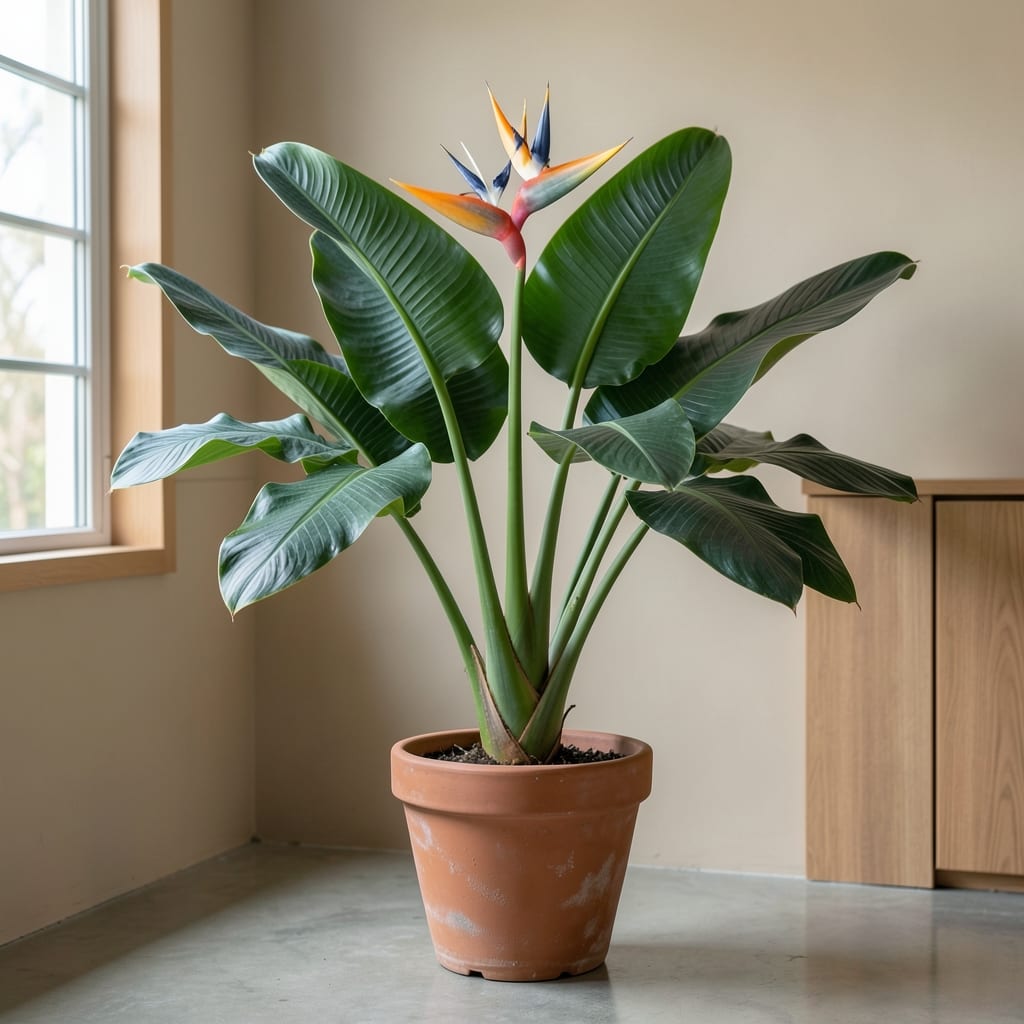
If you’ve ever wondered just how tall a bird of paradise 🌺 can grow, the answer might surprise you—this tropical stunner can reach heights of 6 to 12 feet under the right conditions! Whether you're dreaming of a dramatic backyard centerpiece or planning an indoor statement plant, knowing its growth potential is key to creating the perfect space for it.
The height of your bird of paradise depends on where you grow it—outdoors in full sun or indoors near a bright window. Outdoors, it thrives in USDA Zone 6a and beyond, shooting up faster with warm temperatures and rich soil. Indoors, it grows more slowly but can still reach impressive heights with proper care, like consistent sunlight and balanced fertilization.
Not all bird of paradise varieties grow at the same rate—some, like the Strelitzia nicolai, can grow even taller, while others stay more compact. If you're working with limited space, container growing is an option, though it may cap your plant's height. The fastest-growing varieties can add 2 to 3 feet per year with ideal conditions, so patience (and the right care) pays off big time.
Ready to give your bird of paradise the best shot at reaching its full potential? I’ll walk you through everything from sunlight needs to pruning tips—so you can decide whether to let it soar or keep it contained. Let’s get started!

Bird of paradise height limits: outdoor vs indoor growth comparison
Understanding how tall your bird of paradise (Strelitzia reginae) can grow starts with knowing its ideal conditions. Outdoors, this tropical beauty thrives in USDA Zones 9-11, where it can reach heights of 6 to 12 feet with proper care. In cooler zones like Zone 6a, it may stay shorter or need winter protection, but it’s still capable of impressive growth.
Indoors, the story changes dramatically. While your bird of paradise can still grow, it typically maxes out at 4 to 6 feet due to limited sunlight and space. The key difference? Outdoor plants grow faster because they receive direct sunlight, warm temperatures, and more room to spread their roots. Indoors, you’ll need to supplement with grow lights and larger containers to encourage vertical growth.
Now, let’s break down the specifics with a comparison table to help you visualize what to expect based on your growing conditions.
| Growing Condition | Mature Height Range | Growth Rate (Per Year) | Key Factors for Growth |
|---|---|---|---|
| Outdoor (Full Sun, Warm Climate) | 6–12 feet | 2–3 feet | Full sun, well-draining soil, warm temperatures |
| Outdoor (Cooler Zones, Container) | 4–6 feet | 1–2 feet | Partial sun, winter protection, larger pots |
| Indoor (Bright Window) | 4–6 feet | 6–12 inches | South-facing window, grow lights, balanced fertilizer |
| Indoor (Low Light) | 2–3 feet | 3–6 inches | Slow growth, leggy stems, minimal blooms |
If you’re growing your bird of paradise outdoors in a warm climate, you can expect it to reach its full height of 6 to 12 feet within 3 to 5 years. The Strelitzia reginae, the most common variety, grows at a steady pace, while the Strelitzia nicolai can grow even taller, sometimes exceeding 12 feet with ideal conditions.
For indoor gardeners, patience is key. While your plant may never reach its outdoor height potential, it can still become a stunning focal point with the right care. The trick is to place it near a south-facing window or use grow lights to mimic full sun. Rotate the pot occasionally to ensure even growth and prevent it from leaning toward the light source.
Soil quality also plays a huge role in how tall your bird of paradise grows. These plants love well-draining, slightly acidic soil with a pH between 6.0 and 7.0. If your soil is heavy or clay-like, consider amending it with organic matter like compost or using a high-quality potting mix for container growth. Proper drainage prevents root rot, which can stunt growth and even kill your plant.
Another factor to consider is fertilization. During the growing season (spring and summer), feed your bird of paradise every 4 to 6 weeks with a balanced fertilizer (10-10-10). This encourages faster growth and more vibrant blooms. In fall and winter, reduce fertilization to every 8 to 12 weeks or skip it entirely if your plant is dormant.
Lastly, don’t forget that pruning can influence height. While pruning isn’t required for height control, it can help shape your plant and encourage bushier growth. If you notice leggy stems or overgrowth, trim back the tallest stems to promote a fuller, more compact shape. Just avoid cutting into the old wood, as this can reduce flowering.
Ready to give your bird of paradise the best chance to reach its full height potential? The key is combining the right conditions—sunlight, soil, and care—with a little patience. Whether you’re growing it outdoors as a dramatic backyard statement or indoors as a conversation piece, this plant is sure to impress! 🌺
Fastest-growing bird of paradise varieties & how to maximize their height
If you're eager to see your bird of paradise 🌺 reach its maximum height as quickly as possible, you’ll want to focus on the fastest-growing varieties and optimize care practices. The Strelitzia nicolai is the speediest grower, often outpacing the classic Strelitzia reginae by 1 to 2 feet per year under ideal conditions. While both varieties can eventually reach 6 to 12 feet, Strelitzia nicolai tends to grow taller and faster, making it the top choice for gardeners with space to spare.
For the fastest results, prioritize full sun exposure (6+ hours daily), well-draining soil, and consistent fertilization during the growing season. These conditions create the perfect storm for rapid vertical growth. In warmer climates like USDA Zones 9-11, your bird of paradise can add 2 to 3 feet annually, while cooler zones may see slower growth unless you provide winter protection.
To maximize height, start with a large container (at least 2 feet in diameter) if growing indoors, as root-bound plants grow slower. Outdoors, plant in well-amended soil with a balanced fertilizer (10-10-10) applied every 4 to 6 weeks during spring and summer. Avoid over-fertilizing, as this can lead to leafy growth at the expense of height. Instead, focus on root development by watering deeply but infrequently—once a week for established plants, more often in hot, dry climates.
Pruning plays a subtle but important role in encouraging vertical growth. While you shouldn’t prune to force height, removing dead or yellowing leaves and trimming back overly leggy stems helps redirect energy upward. Always use sterilized pruners and cut just above a leaf node to promote new growth. Avoid heavy pruning in late fall or winter, as this can stress your plant during its dormant period.
Seasonal adjustments are key to keeping your bird of paradise growing tall and healthy. In spring and summer, prioritize watering and fertilizing to fuel rapid growth. In fall, reduce watering and fertilizing to prepare for dormancy, and in winter, provide indoor warmth or mulch outdoors to protect roots from freezing temperatures. Even in cooler climates, your plant can still grow, but expect a slower pace (1 to 2 feet per year) unless you take extra care to simulate tropical conditions.
With the right variety, care, and a little patience, your bird of paradise can become a towering tropical statement in your garden or home. Whether you’re aiming for a 12-foot outdoor giant or a 6-foot indoor showstopper, these tips will help you maximize its height potential while keeping it thriving for years to come. 🌿