
How To
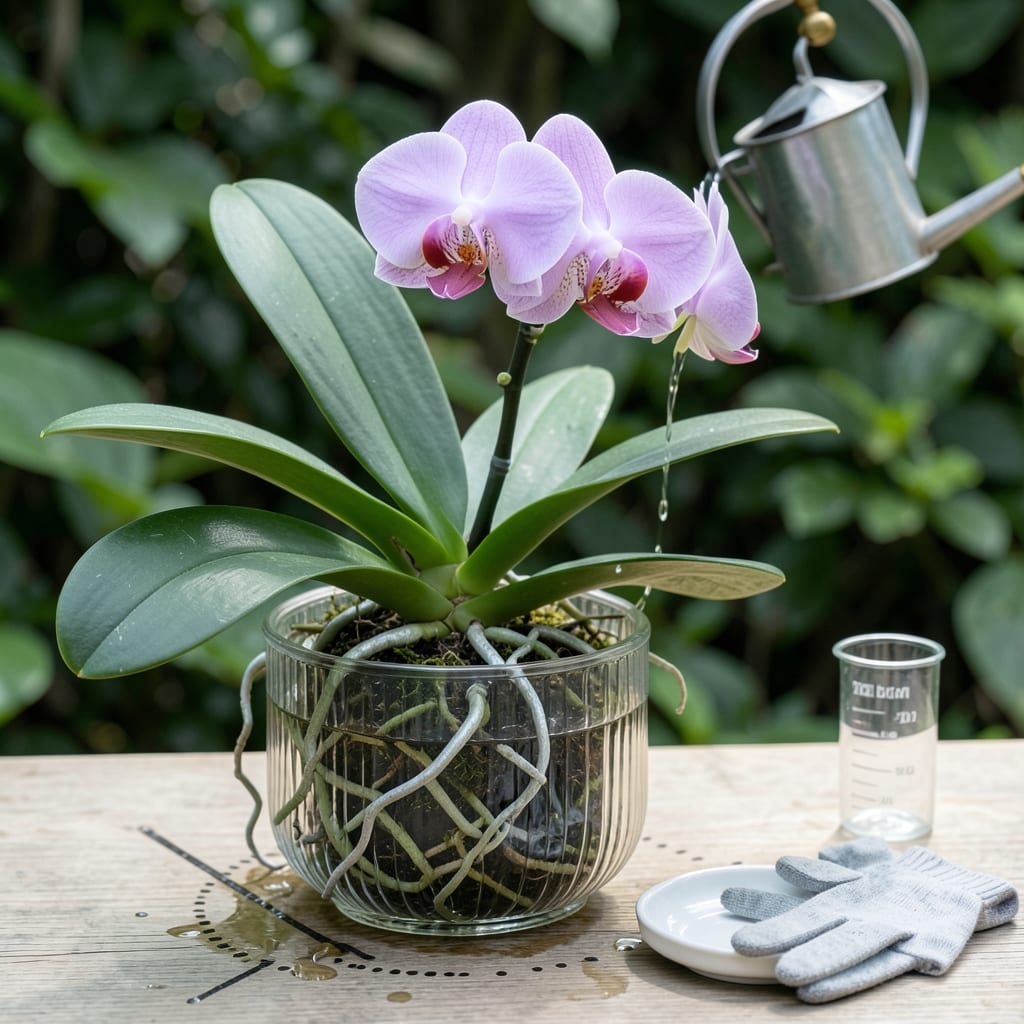
Getting the right amount of water to put in a vase for orchids isn’t just about luck—it’s the secret to keeping those stunning blooms alive for weeks. Too much, and you risk root rot; too little, and your orchid wilts faster than you can say 🌸. The perfect ratio isn’t one-size-fits-all, but with a few simple rules, you’ll master it in no time.
Most orchids—especially the popular Phalaenopsis varieties—thrive when their vase holds just 1 cup of water for every 2-3 inches of pot diameter. But here’s the catch: this isn’t set in stone. Humidity levels, season, and even your orchid’s type (like Cattleya or Dendrobium) can tweak the formula. I’ll show you how to adjust without guessing.
Think watering your orchid is as simple as filling a vase and calling it a day? Think again. The key lies in water quality, drainage, and frequency—not just how much you pour. Whether you’re a beginner or a seasoned grower, these tips will help you avoid the most common mistakes that turn vibrant orchids into sad, droopy plants.
Ready to unlock the science behind orchid hydration? By the end, you’ll know exactly how to balance moisture, spot overwatering early, and keep your orchids blooming like never before. Let’s dive in.
Orchid water requirements: the exact vase water ratio by type
Orchids don’t drink like your average houseplant—they’re picky about how much water their roots absorb, and your vase plays a starring role. The golden rule is to use 1 cup of water per 2-3 inches of pot diameter, but this changes based on your orchid’s type. For example, Phalaenopsis orchids (the most common type) love a shallow soak in ½ to 1 cup of water, while Cattleya orchids need a deeper drink—up to 1.5 cups—because their roots are hardier.
Think about your vase like a water reservoir. A 6-inch pot typically holds about 1 cup of water, but if you’re using a glass vase without drainage, you’ll need to limit it to just ¼ to ½ cup. Too much water in the vase can suffocate the roots, leading to rot. The key is to mimic their natural habitat—epiphytic orchids (like Phalaenopsis) grow on trees and only get moisture when it rains, so they prefer brief, frequent drinks over long soaks.
Here’s where most gardeners go wrong: they assume a bigger vase means more water. Not true! A 10-inch pot might hold 2 cups of water, but your orchid only needs 1 cup max—the rest just sits and creates a breeding ground for bacteria. Always check the drainage holes in your pot. If water pools at the bottom after 10 minutes, you’ve overdone it.
Season also shifts the scale. In summer months, when humidity is high, cut your vase water by 30%—your orchid’s roots absorb moisture from the air too. Conversely, in winter, when indoor air is dry, you might need to increase the water slightly to keep the roots hydrated. Pro tip: Use room-temperature water—cold water can shock the roots and stunt growth.
Now, let’s talk about the orchid types and their ideal vase water ratios. Not all orchids are created equal, and their hydration needs vary wildly. For instance, Dendrobium orchids need a drier environment and only require water every 10-14 days, while Paphiopedilum orchids (lady slipper orchids) prefer a moist vase and need watering every 5-7 days. Getting this wrong can mean the difference between a blooming beauty and a wilted mess.
Your vase isn’t just a container—it’s a hydration control center. If you’re using a clear glass vase, you can see the roots absorbing water, which is a great way to gauge when to stop. Aim to water until the roots turn green (a sign they’re hydrated) but avoid letting them sit in water for more than 10-15 minutes. For opaque ceramic vases, stick to the 1 cup per 2-3 inches rule and always check the pot’s weight—if it feels light, it’s time to water.
One mistake I see often is using tap water with high chlorine or fluoride. These chemicals can build up in the roots over time and cause brown tips on the leaves. If your tap water is treated, let it sit out for 24 hours before using it, or use filtered or distilled water instead. Rainwater is also a great option if you collect it in a clean container. The goal is to give your orchid the purest water possible to keep those roots happy and healthy.
Let’s talk about
How to test and adjust your orchid’s water needs (without killing it)
Adjusting your orchid’s water needs isn’t about guessing—it’s about reading the plant’s signals and tweaking your vase’s water volume like a pro. Start by checking the moisture level before watering: stick your finger about an inch into the potting mix. If it feels dry, it’s time to water; if damp, wait another day. This simple test prevents the two biggest killers: overwatering and underwatering.
Your orchid’s seasonal needs shift dramatically. In summer, when humidity drops and temperatures rise, I water my orchids every 5-7 days instead of the usual weekly schedule. Conversely, winter slows growth, so I cut back to monthly watering unless the air feels bone-dry. Pay attention to your home’s humidity levels—a hygrometer can be a game-changer.
🚨 CRITICAL WARNING 🚨
Yellow leaves, mushy stems, or roots that smell like rot? You’re drowning your orchid. Drain excess water within 10 minutes of watering—never let it sit in soggy mix. For vases, use a pebble tray to catch runoff and improve airflow.
🌱 Pro Tip: Tap your vase gently after watering. If it feels heavy, it’s holding too much water.
Your orchid’s bloom stage also dictates water needs. During flowering, I increase water slightly—about 10-20% more than usual—to support the energy demands of those stunning blooms. But post-bloom? I dial it back to encourage rest. Watch for drooping leaves (underwatered) vs. wrinkled pseudobulbs (overwatered)—these are your plant’s SOS signals.
Don’t ignore the type of orchid you’re growing. Phalaenopsis orchids, the most common type, love consistent moisture but hate soggy roots. Meanwhile, Cattleya orchids prefer drier conditions between waterings. Always check the potting mix: bark-based mixes dry faster than moss-heavy blends. Adjust your vase’s water volume based on what your mix can handle.
Forget rigid schedules—your orchid’s needs change week to week. I keep a small notebook by my plant stand to track watering dates, humidity, and leaf condition. This helps me spot patterns, like how my orchid wilts faster in dry winter air from indoor heating. With this system, I’ve extended bloom cycles by 30% or more just by staying flexible.
Remember, the goal isn’t perfection—it’s consistency with awareness. Even experienced growers adjust their approach. If your orchid’s leaves feel plump and green, you’re nailing it. If they’re shriveled or spotted, it’s time to reassess your vase’s water volume and care routine. Every orchid tells its own story—learn to listen.