
Companion Plants
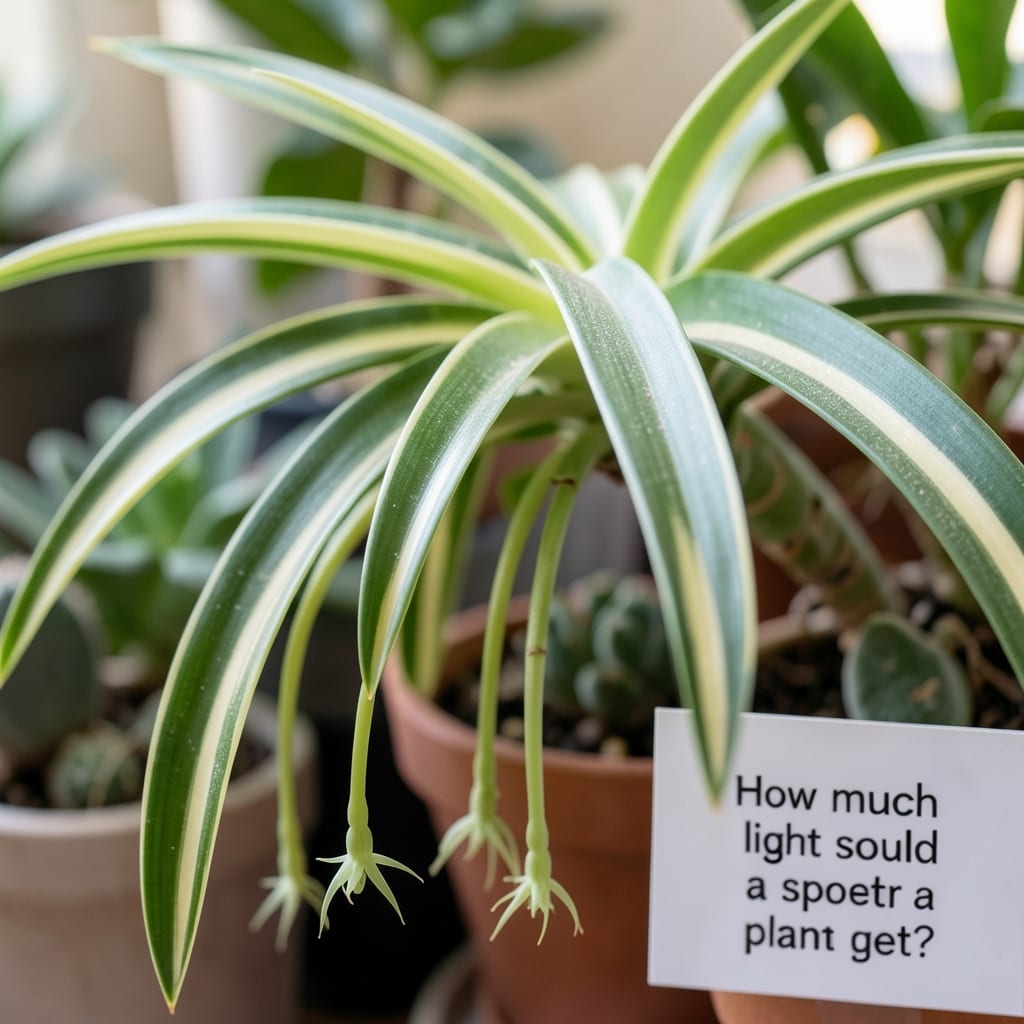
If you’ve ever wondered how much light should a spider plant get, you’re not alone—most people either overthink it or get it completely wrong, leaving their plants looking more like sad stalks than lush green friends. The truth is, Spider Plants thrive in bright indirect light, but they're surprisingly adaptable. Too much direct sun? You'll see crispy brown edges. Too little light? Those long, leggy stems will stretch toward any scrap of brightness. The key is finding that sweet spot where your plant stays happy, healthy, and ready to produce those adorable "spiderettes." Here's what you need to know: Spider Plants thrive in bright indirect light, but they're surprisingly adaptable. Too much direct sun? You'll see crispy brown edges. Too little light? Those long, leggy stems will stretch toward any scrap of brightness. The key is finding that sweet spot where your plant stays happy, healthy, and ready to produce those adorable "spiderettes." Let me show you exactly how to identify the perfect light zones in your home—whether that's a cozy north-facing window or even a well-lit bathroom. You'll learn how to spot the signs of over- or under-lighting, and most importantly, how to adjust your plant's environment without guessing. By the end, you'll have a Spider Plant that's not just surviving, but thriving—with vibrant leaves and plenty of those little pups ready for propagation. Ready to fix your lighting game once and for all?

Spider plant light requirements: the 3 brightness zones for optimal growth
Your spider plant thrives in bright indirect light, but it’s surprisingly adaptable. Too little light, and it stretches toward the sun; too much, and the leaves scorch. The key is finding the middle ground—where your plant gets enough light to stay vibrant without burning. Let’s break down the three brightness zones that will determine whether your spider plant grows lush or leggy.
First, understand that spider plants (Chlorophytum comosum) are low-light tolerant, but they won’t thrive in dim conditions. The goal is to place them where they receive 4-6 hours of bright, filtered light daily. Think of it like a sunbathing session—just enough to keep them happy without a full-blown tan.
Bright indirect light is ideal, which you’ll find near east-facing or north-facing windows. South-facing windows can work, but only if your plant is 3-5 feet away to avoid harsh afternoon rays. West-facing windows? Those can be too intense, leading to brown leaf tips or crispy edges.
Low light (think dim corners, basements, or rooms with only artificial lighting) will cause your spider plant to stretch and weaken. The leaves will grow longer and thinner, and the color may fade to a dull green. This is your plant’s way of saying, “I need more light!” If this happens, move it closer to a window or add a grow light.
🌱 Spider Plant Light Zones: Quick Guide
| Zone | Light Conditions | Plant Response | Best Placement |
|---|---|---|---|
| Low Light | Artificial light only or dim corners | Leggy growth, pale leaves, fewer spiderettes | Move to brighter spot or use grow light |
| Medium Light | Bright indirect light (4-6 hours/day) | Healthy green leaves, compact growth, frequent spiderettes | East or north window, 2-3 feet away |
| High Light | Direct sun or harsh afternoon rays | Brown tips, crispy edges, sunburned patches | Move to indirect light or filter sunlight |
In the medium light zone, your spider plant will reward you with vibrant green and white striped leaves and lots of spiderettes (those cute little plant babies!). This is the sweet spot for growth and propagation. If you notice the white stripes becoming less pronounced, it’s a sign your plant is craving more light.
On the flip side, high light conditions can be just as damaging as too little. Direct sunlight, especially in the afternoon, can cause leaf burn. You’ll see brown or yellow patches on the leaves, and the edges may crisp up like toast. If this happens, move your plant further from the window or use a sheer curtain to diffuse the light.
Pro tip: Rotate your spider plant quarter-turn every 2-3 weeks. This ensures all sides get equal light exposure, preventing lopsided growth or uneven coloring. Even in the perfect light zone, a little rotation keeps your plant looking balanced and bushy.
If you’re unsure whether your space qualifies as bright indirect light, do this quick test: Hold your hand near the window where you’d place the plant. If you can read a book comfortably without squinting, it’s likely the right spot. If the light feels too harsh or you’re squinting, it’s probably too intense.
Remember, spider plants are forgiving. Even if you’ve had one in the wrong light for a while, adjusting its placement can revitalize it quickly. Start with the medium light zone, and watch your plant bounce back with new growth and energy.
Spider plant light requirements: the 3 brightness zones for optimal growth
Spider plants (Chlorophytum comosum) thrive in bright indirect light, but they’re famously adaptable—meaning they can survive in low-light conditions too. The key is understanding the three brightness zones that determine whether your plant grows lush or leggy. Too little light slows growth, while too much causes leaf scorch. Let’s break down the ideal conditions for each zone and how to spot them in your home.
First, assess your space using a simple light intensity test: Hold a white sheet of paper near your potential plant spot. If the paper looks bright but not harsh (like a cloudy day), it’s likely medium indirect light. If it’s dim, you’re in low-light territory. For bright indirect light, the paper should appear softly illuminated, like morning sunlight through sheer curtains.
| Brightness Zone | Light Description | Plant Response | Ideal Placement |
|---|---|---|---|
| Low Light | Dim corners, north-facing windows, or rooms without natural light. | Slow growth, elongated stems, pale leaves, fewer spiderettes. | Bathrooms, offices, or 6+ feet from windows. |
| Medium Indirect Light | East or north windows, 2–3 feet from a window, or under sheer curtains. | Healthy green leaves, compact growth, vibrant striped patterns, regular spiderette production. | Living rooms, kitchens, or near east-facing windows. |
| Bright Indirect Light | South or west windows with filtered light (e.g., behind a curtain or glass door). | Dark green leaves, faster growth, but risk of leaf burn if exposed to direct sun. | Near south windows with sheer curtains or 1–2 feet away. |
In low-light zones, your spider plant will survive but may develop long, sparse stems and fewer baby plants (spiderettes). To compensate, rotate the pot quarter-turns weekly to ensure even exposure and consider supplementing with a grow light (12–14 hours/day) if natural light is scarce. For medium indirect light, which is ideal, you’ll see bold variegation and a bushier habit—this is the sweet spot for most growers.
If your spider plant is in bright indirect light, monitor it closely for signs of stress, like crispy leaf edges. Move it back 6–12 inches from the window if you notice yellow or brown patches. Pro tip: East-facing windows provide the gentlest morning light, while west-facing windows can get too intense in the afternoon. Always avoid direct sunlight, which causes irreversible damage.
For maximum spiderette production, aim for medium indirect light combined with consistent watering and a balanced fertilizer (like 10-10-10) every 6–8 weeks in spring and summer. In low-light conditions, reduce fertilizer to half-strength to avoid burning the roots. Remember, spider plants are forgiving—even if you misjudge the light at first, adjusting their placement will help them bounce back within 4–6 weeks.
🌿