
Light Requirements
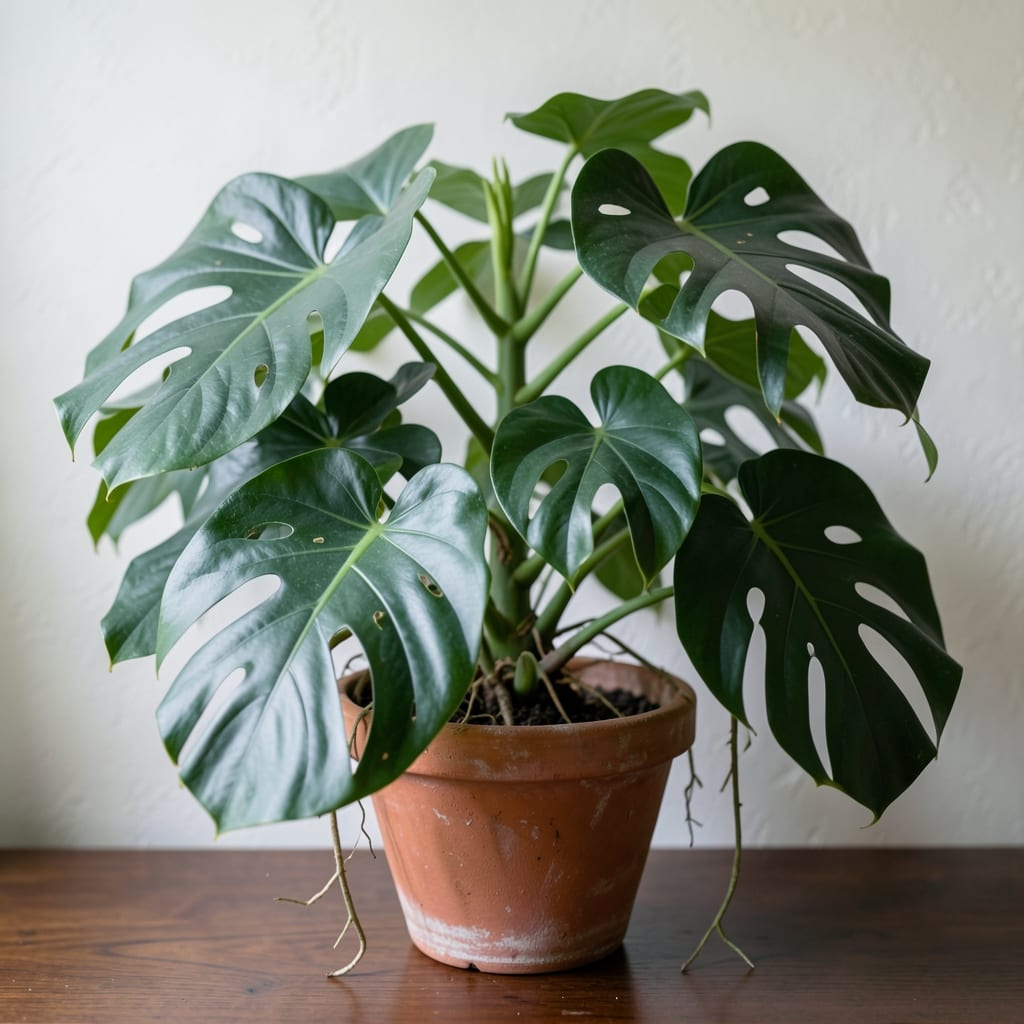
Struggling to figure out how much light for Swiss Cheese Plant 🌿 thrives? You’re not alone—this tropical beauty needs the perfect balance to keep its iconic split leaves looking their best. Too little light, and those stunning variegated patterns fade. Too much direct sun, and you’ll end up with crispy brown patches. The key is bright, indirect sunlight that mimics its natural jungle habitat.
Most homeowners place their Swiss Cheese Plant near an east or west-facing window, where it gets 6-8 hours of gentle light daily. This setup is ideal for maintaining healthy growth without risking sunburn. If your space lacks natural light, don’t worry—we’ll also cover how to supplement with artificial lighting later.
Watch for signs like slow growth or yellowing leaves, which often mean your plant isn’t getting enough light. On the flip side, brown spots or wilted foliage could signal too much direct sun. The good news? Adjusting your plant’s position or using sheer curtains can make all the difference in keeping it lush and vibrant.
Ready to transform your Swiss Cheese Plant into a thriving, eye-catching centerpiece? Let’s dive into the exact light conditions and simple fixes to keep it looking its best year-round. Your plant’s health starts with understanding its light needs—and we’ve got you covered.

Optimal light requirements for swiss cheese plant growth and variegation
The Swiss Cheese Plant (Monstera deliciosa) thrives in bright indirect sunlight, mimicking its natural jungle environment. This means placing it near windows that filter harsh rays while still providing ample light. East or west-facing windows are ideal because they offer gentle morning or afternoon sun, perfect for maintaining those stunning variegated leaves.
If your home only has south-facing windows, position your plant 3-5 feet away to prevent direct sun exposure, which can cause brown patches. North-facing windows provide the least intense light, so supplement with grow lights if you notice slow growth or pale leaves.
Seasonal adjustments are key—during summer, move your plant slightly farther from windows to avoid overheating. In winter, when natural light dims, consider rotating the pot every few weeks to ensure even growth and prevent lopsided development.
For variegated varieties like Monstera ‘Albo Variegata’, light is especially critical. Too little light causes the white patterns to fade to green, while too much can scorch the delicate leaf tissue. Aim for 6-8 hours of bright, filtered light daily to keep those striking patterns vibrant.
Here’s how different light conditions affect your Swiss Cheese Plant:
For new leaves to develop properly, ensure your plant gets enough light during its active growing season (spring to fall). In winter, reduce watering slightly but keep light exposure consistent to avoid stress. If you notice leaves pointing toward the light, rotate the pot quarter-turns every week to encourage balanced growth.
Sheer curtains can diffuse harsh sunlight while still allowing plenty of light through. If your home lacks natural light, LED grow lights are a game-changer—they mimic sunlight and can be left on for 12-14 hours daily to keep your plant thriving. We’ll cover the best options in the next section!
Pro tip: Test your light setup by observing your plant’s response over 2-3 weeks. Adjust placement gradually until you find the sweet spot where growth is steady and leaves remain lush. Your Swiss Cheese Plant will thank you with bigger, healthier foliage!
Signs your swiss cheese plant isn’t getting enough (or too much) light
Your Swiss Cheese Plant 🌿 sends clear signals when its light needs aren’t met. Watch for yellowing leaves on lower stems—a classic sign of low light stress. This happens when your plant stretches toward light sources, creating leggy stems with sparse foliage. Variegated varieties like 'Albo Variegata' will also lose their white patterns, turning entirely green as the plant prioritizes photosynthesis over pigmentation.
On the opposite end, too much direct sunlight causes brown crispy patches on leaf edges, especially on south-facing windows. These spots start small but spread quickly if unchecked. You might also notice wilting or drooping leaves during peak afternoon sun, as the plant struggles to regulate its moisture levels under intense heat.
Here’s a quick diagnostic guide to identify light issues: