
Light Requirements
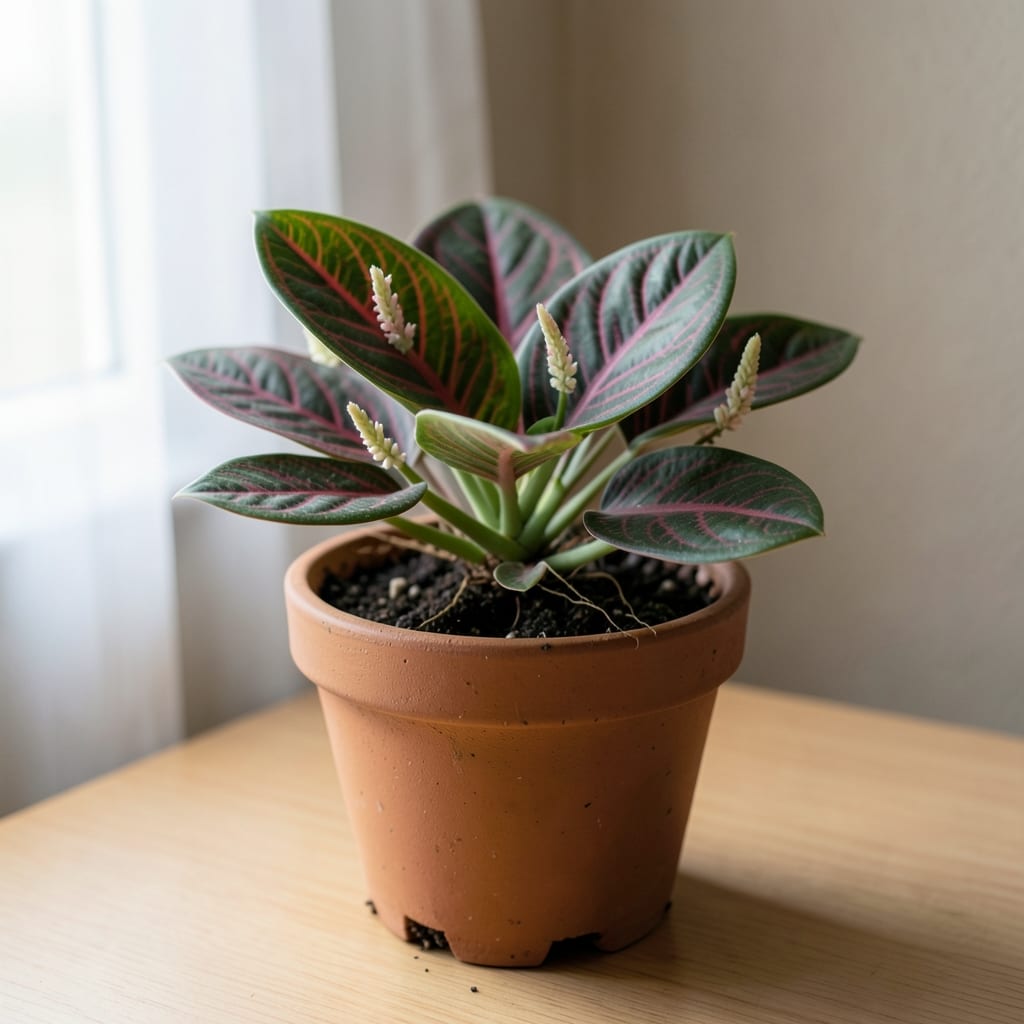
Figuring out how much light for prayer plant success can feel like solving a puzzle—one wrong move, and your plant’s stunning foliage fades or burns. But here’s the good news: this tropical beauty is forgiving once you know its sweet spot. Too little light, and those signature prayer-like leaves lose their vibrancy; too much, and crispy edges appear faster than you can say "oops."
The secret lies in bright, indirect light—think of it as a sunbathing session under a sheer curtain. Aim for 10-12 hours daily, whether from an east-facing window or a well-placed grow light. Your prayer plant 🌿 will reward you with lush, velvety leaves that fold up at night like they’re saying their own prayers.
What if your home leans toward dim corners or fluorescent office lighting? Don’t panic—we’ll cover smart workarounds to keep your plant thriving. The key is understanding the subtle clues your prayer plant gives when it’s happy (or not). Let’s break down the exact lighting formula to turn your green thumb into a plant whisperer.
From spotting signs of light stress to adjusting seasonal light shifts, you’ll learn how to create the perfect glow—no guesswork required. Ready to unlock the full potential of your prayer plant’s beauty? Let’s dive in.

Ideal light requirements for prayer plant growth and leaf patterns
Your prayer plant (Maranta leuconeura) thrives in bright, indirect light—the kind that mimics its natural understory habitat in tropical rainforests. This means placing it near a window with sheer curtains or a few feet away from direct sunlight. The goal is to provide 10-12 hours of light daily, but intensity matters just as much as duration. Too harsh, and those stunning leaves crisp; too dim, and growth stalls.
Think of it like a sunbathing session under a canopy—gentle but consistent. East-facing windows are ideal because they offer morning sun without the intense afternoon rays, while north-facing windows provide steady, diffused light all day. South-facing windows? Only if you’re using a sheer curtain to filter the light. West-facing windows are a no-go unless you’re prepared to move your plant away by mid-afternoon.
Here’s the light spectrum breakdown your prayer plant craves: 40-60% brightness (measured as light intensity) with a focus on blue and red wavelengths (think cool white or daylight LED bulbs). These wavelengths promote chlorophyll production, which is why your plant’s leaves stay vibrant and velvety. Without enough blue light, those signature purple undersides and variegated patterns fade to a dull green.
The seasonal shift is another critical factor. During spring and summer, your prayer plant can handle slightly more light, especially if you’re acclimating it gradually. In fall and winter, natural light weakens, so you may need to supplement with a grow light or rotate the plant to expose all sides evenly. This prevents etiolation—those sad, stretched-out stems that scream, “I’m not getting enough light!”
Pro tip: Rotate your plant quarter-turns every 2-3 weeks to ensure even growth. Uneven light exposure causes one side to lean toward the window while the other stays pale. This simple habit keeps your prayer plant symmetrical and perky, like it’s doing yoga every day.
If you’re wondering about artificial light, LED grow lights are your best bet. They’re energy-efficient and allow you to fine-tune the spectrum. Look for a cool white or full-spectrum LED with at least 5,000-6,500K color temperature. Position the light 6-12 inches above your plant and keep it on for 12-14 hours daily to mimic natural daylight. Just avoid placing it too close—leaf burn is a real risk if the light is too intense.
One common mistake? Assuming fluorescent office lighting is enough. While it’s better than nothing, it often lacks the blue spectrum your prayer plant needs for vibrant growth. If you’re stuck in a dim office, combine fluorescent lighting with a small LED grow light for 4-6 hours in the evening. Your plant will thank you with bold, healthy leaves that keep their stunning patterns.
Remember, your prayer plant’s leaf patterns are a direct response to light. The purple undersides and striped variegation are nature’s way of saying, “I’m thriving!” When these fade, it’s your cue to adjust the lighting or move the plant closer to a brighter spot. Pay attention to these visual cues—they’re your plant’s way of communicating.
Lastly, avoid the midday sun trap. Even indirect sunlight can become too intense during peak hours (11 AM–3 PM). If you notice yellowing or crispy edges, it’s time to move your plant further back from the window or add a light filter. Your goal is to keep those leaves soft, plump, and full of life—not crispy like a forgotten salad.
Signs your prayer plant isn’t getting the right light (and how to fix it)
Your prayer plant 🌿 is a master of nonverbal communication, and its leaves speak volumes about its light conditions. One of the first red flags is leggy, stretched-out stems—a classic sign of etiolation, meaning it’s reaching for light like a sleepy cat stretching toward a sunbeam. When this happens, the distance between leaves widens, and the plant loses its compact, bushy shape. This usually means your plant is getting less than 6 hours of light daily or is too far from a light source.
Another dead giveaway? Pale, dull green leaves that lack the signature purple undersides or variegated patterns. These vibrant colors fade when your plant isn’t getting enough blue and red light wavelengths. Think of it like a mood ring—when the colors dull, it’s time to move your plant to a brighter spot or supplement with a grow light. The leaves may also develop a washed-out appearance, losing their velvety texture and becoming almost translucent.
On the flip side, brown, crispy tips or yellowing edges scream light burn. This happens when your prayer plant is getting too much direct sunlight, especially during peak hours (11 AM–3 PM). The damage starts as small brown spots on the leaf edges, which can quickly spread inward. If you notice this, move your plant further from the window or add a sheer curtain to diffuse the light. Avoid placing it in west-facing windows unless you’re prepared to adjust its position daily.
Here’s a quick light stress