
Light Requirements
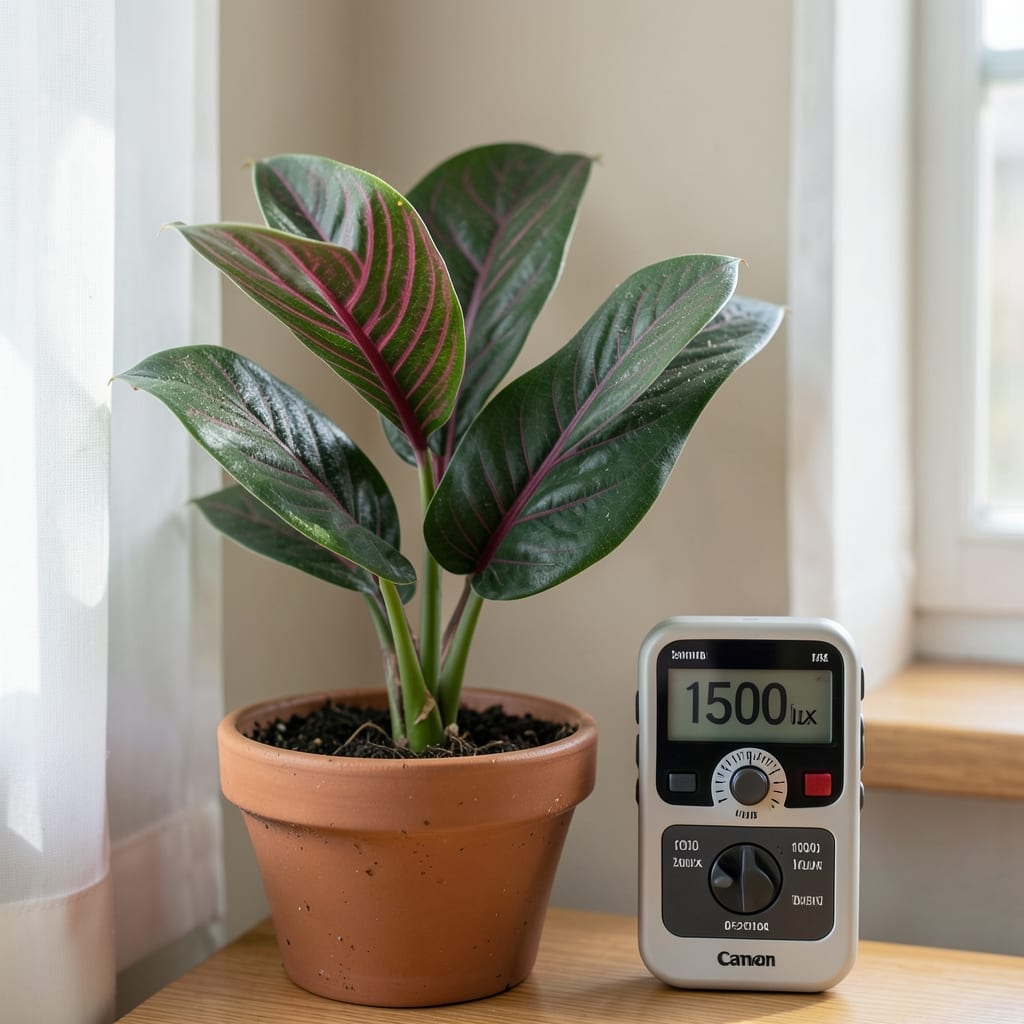
Prayer plant light requirements: ideal brightness levels for healthy growth
Your prayer plant (Maranta leuconeura) thrives in bright indirect light, mimicking its native understory habitat. Too little light causes leggy growth and pale leaves, while too much direct sun leads to brown leaf tips. The key is finding that golden balance—think dappled sunlight through trees, not harsh midday rays.
In its natural tropical environment, prayer plants grow beneath canopy cover, receiving filtered sunlight. This means your home’s east-facing window is ideal, offering gentle morning light without the intensity of afternoon sun. West windows can work too, but only if you filter the light with a sheer curtain.
Here’s how to spot light stress signs in your prayer plant: Curling leaves mean it’s getting too much direct sun, while stretched stems signal it’s reaching for more light. The perfect spot should keep foliage deep green with vibrant patterns—no yellowing or browning.
🌿
If your prayer plant’s leaves start closing at night (a natural movement), it’s actually healthy—but if they stay closed during the day, it’s a sign of low light stress. The plant’s rhythm of movement (opening in daylight, closing at night) is its way of conserving energy, so pay attention to these cues.
For urban growers with limited natural light, LED grow lights are your best friend. A 10,000K daylight bulb placed 6-12 inches above the plant for 12-14 hours daily mimics ideal conditions. Just avoid placing it too close—leaf burn happens faster than you think!
Seasonal adjustments matter too. In winter, when daylight shrinks, supplement with grow lights or rotate your plant quarter-turns weekly to prevent one-sided growth. Conversely, in summer, watch for intense afternoon sun—even indirect light can become too harsh.
Pro tip: Test your light spot with a light meter app (like Light Meter for iOS). Aim for 500-1,000 foot-candles—any lower, and you’ll need artificial support. Most smartphones can estimate this too, using their built-in sensors.
Remember, prayer plants are forgiving but not indestructible. If you notice yellowing leaves, it’s often a watering issue—not light. But if the problem persists after adjusting moisture, light exposure is likely the culprit. Start with small tweaks: move it closer to the window or add a reflective surface (like a white wall) to bounce light.
☀️
How to adjust your prayer plant’s light exposure for maximum foliage vibrancy
If your prayer plant (Maranta leuconeura) isn’t showing off its signature colorful foliage, chances are its light exposure needs a tweak. Unlike sun-loving succulents, these tropical beauties thrive in bright indirect light—think dappled sunlight filtering through trees in their native rainforests. But too little light makes them leggy and weak, while too much causes leaf scorch. Let’s fix that!
The key is mimicking their understory habitat. Place your plant near an east-facing window where morning sun gently brightens the room without harsh afternoon rays. If your home lacks natural light, grow lights (like full-spectrum LEDs) can bridge the gap—just keep them 12-18 inches away to avoid burning delicate leaves.
🌿
🌱 Key Takeaway: Light Adjustment Tips
For seasonal adjustments, watch how your plant reacts to longer daylight hours in summer. If leaves start yellowing or crisping, move it further from the window or add a sheer curtain. In winter, when light fades, consider moving it closer to a south-facing window (but avoid direct sun).
Pro tip: Leaf color is your best indicator. Vibrant purples, pinks, and greens mean happy light conditions, while dull, pale leaves signal it’s time to brighten its spot. A simple humidity tray nearby also helps—these tropical plants love 60-70% humidity to complement their light needs.
💧
Remember, prayer plants are forgiving but not indestructible. If you’re unsure, start with moderate indirect light and adjust based on their foliage feedback. With the right balance, you’ll have a lush, prayer-positioning showstopper in no time!