
Light Requirements
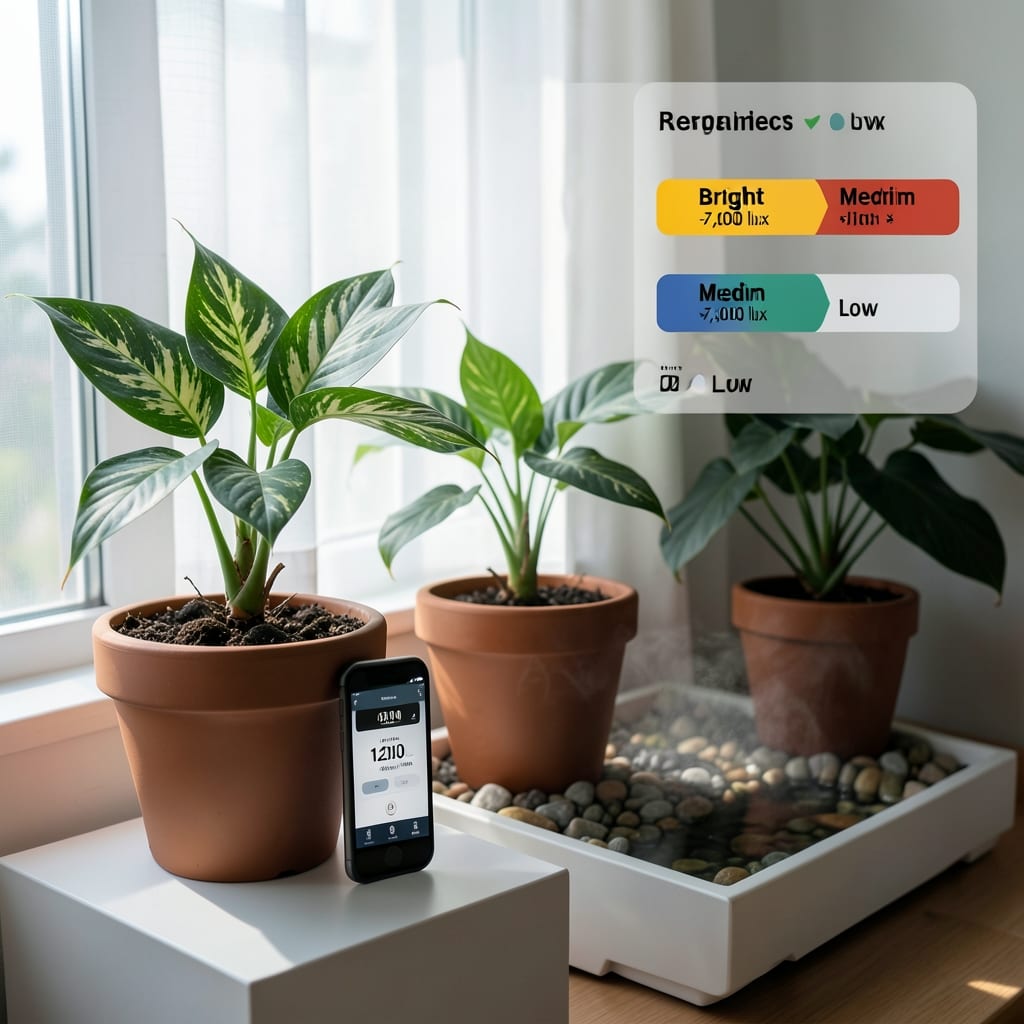
Ever wondered how much light an Arrowhead Plant 🌿 needs to stay happy and thriving? The answer might be hiding in plain sight—right in how much light it's getting. Too little, and you'll see weak, pale leaves; too much, and you'll watch them crisp up faster than toast in a toaster oven.
Here's the secret: Arrowhead Plants thrive on 3-4 hours of bright, indirect light daily—but they’re surprisingly flexible. Whether you're dealing with a dim corner or a sunlit room, I’ll show you exactly how to strike the perfect balance. No guesswork, just lush, healthy growth that’ll make your plant the star of the show.
Let’s start with the basics: why bright indirect light is the golden ticket for your Arrowhead Plant 🌿, and how to spot when it’s getting too much or too little. Spoiler alert—your plant might be telling you exactly what it needs if you know what to look for.
From variegated varieties that need just the right touch of light to solid-leaved types that can handle a little more, we’ll cover it all. Plus, I’ll share my top tips for adjusting light conditions without buying fancy equipment. Ready to give your plant the perfect glow?

Optimal light requirements for arrowhead plant growth and foliage color
The Arrowhead Plant 🌿 thrives best with 3-4 hours of bright indirect light daily. This sweet spot ensures vibrant foliage and steady growth without risking sunburn or leggy stems. Think of it like a Goldilocks scenario—too little light, and your plant will stretch toward the nearest window like a sleepy cat reaching for sunlight. Too much direct sun, and you’ll see crispy edges faster than you can say "overwatered."
For variegated varieties, like the stunning 'Pink Arrowhead' or 'White Butterfly,' this light balance is even more critical. Their leaves need just enough light to maintain those gorgeous patterns, but not so much that they bleach out. Solid green types, like the classic 'Syngonium podophyllum,' are a bit more forgiving but still prefer moderate indirect light.
Here’s how to translate that into real-world terms: An east-facing window is ideal because it provides gentle morning sun without the harsh afternoon rays. A west-facing window can work too, but you’ll need to shield your plant from the intense late-day sun with a sheer curtain. Fluorescent bulbs or LED grow lights can also work if natural light is scarce, but keep them 12-18 inches away to mimic that indirect glow.
If you're growing your Arrowhead Plant 🌿 outdoors, treat it like a houseguest—invite it in for a few hours a day but keep it out of the midday sun. A shaded patio or balcony with dappled sunlight is perfect. And remember, even indoors, rotating your plant every few weeks ensures even growth and prevents it from leaning toward one light source.
🌱 Arrowhead Plant Light Requirements Summary
| Light Type | Hours Needed | Best For | Signs of Success |
|---|---|---|---|
| Bright Indirect | 3-4 hours | All varieties | Vibrant leaves, compact growth |
| Low Light (Fluorescent) | 6+ hours | Solid green types | Slow growth, dark green leaves |
| Direct Sun | Avoid | None | Brown spots, crispy edges |
Let’s talk about juvenile vs. mature Arrowhead Plants. Young plants are like teenagers—they need a little more guidance. Place them near a bright, indirect light source to encourage strong, sturdy growth. Mature plants, on the other hand, can handle slightly lower light conditions, but don’t push your luck. Even they’ll start to look sad if they’re tucked away in a dim corner for too long.
One of my favorite tricks is using a reflective surface, like a white-painted wall or a mirror, to bounce extra light onto your plant. This can make a huge difference in a room with limited natural light. Just avoid placing your plant directly in front of a window with harsh afternoon sun, especially in summer. That’s a one-way ticket to sunburn city.
If you’re unsure whether your Arrowhead Plant 🌿 is getting the right amount of light, here’s a quick test: Hold your hand near the plant. If you can’t comfortably read a book in the same spot, it’s likely not getting enough light. If the air feels warm and the leaves look like they’ve been kissed by the sun, it’s probably getting too much. Adjust accordingly, and you’ll be rewarded with a plant that’s the envy of every plant lover in your circle.
Pro tip: Variegated leaves are like mood rings—they change based on light conditions. If the white or pink parts start to fade, it’s a sign your plant needs more light. If they turn completely green, it’s getting too much. Pay attention to these subtle cues, and your plant will thank you with lush, colorful foliage.
Optimal light requirements for arrowhead plant growth and foliage color
Arrowhead plants (Syngonium podophyllum) thrive with 3-4 hours of bright indirect light daily, but their needs shift based on age and variety. Juvenile plants tolerate lower light better than mature specimens with larger leaves. Variegated types, like the popular 'Pink Allusion', need slightly more light to maintain their stunning patterns, while solid-green varieties can handle a bit less.
The key is avoiding direct sunlight, which can scorch delicate leaves, and preventing deep shade, which causes leggy growth. Think of it like a morning coffee—just enough to wake up without burning. East or west-facing windows are ideal, offering gentle light without harsh afternoon rays.
Here’s how to translate light intensity into real-world scenarios: A fluorescent bulb 12-18 inches away mimics natural indirect light, while a south-facing window (without sheer curtains) delivers too much. Even a bright living room 6 feet from a window can work if the plant rotates weekly to balance growth.
| Light Condition | Description | Best For |
|---|---|---|
| Low Light | North-facing window or 10+ feet from a south window | Juvenile plants, solid-green varieties |
| Medium Light | East/west window or 3-6 feet from a south window with sheer curtain | All varieties (ideal for most) |
| High Light | South window without obstruction or grow light 6-12 inches away | Variegated types (e.g., 'Pink Allusion') |
Variegated arrowhead plants, like the 'White Butterfly' variety, need at least 4 hours of bright indirect light to prevent their white or pink streaks from fading to green. If you notice the patterns dulling, it’s a clear sign to move the plant closer to a light source or supplement with a grow bulb. Even a simple LED desk lamp (6000K color temperature) can work in a pinch.
For mature plants with large leaves, aim for 4-6 hours of light daily. These plants can handle slightly more light than juveniles, but avoid placing them in spots where leaves touch glass—this traps heat and causes sunburn-like damage. A quick trick? Rotate your plant quarter-turns every 2 weeks to ensure even growth and prevent lopsided foliage.
Remember, arrowhead plants are adaptable, but they’ll always tell you when they’re unhappy. Yellowing leaves or stretched stems mean more light, while brown tips or crispy edges signal too much sun. The goal is to find that sweet spot where your plant’s leaves stay vibrant, glossy, and arrow-shaped—because that’s when you know you’ve nailed the light just right.
🌿