
Plants
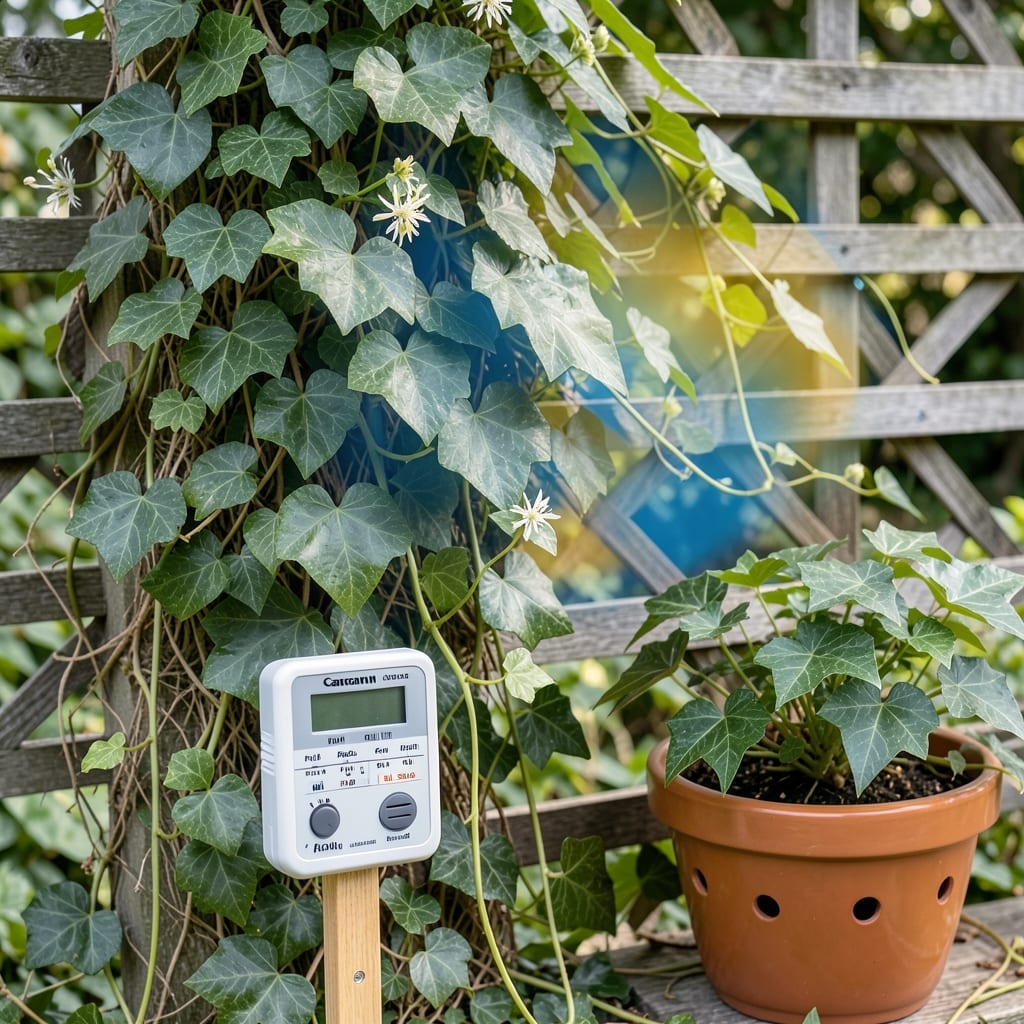
If your 🍃 English Ivy is struggling to thrive, the answer to how much light does an ivy plant need might be simpler than you think—it’s all about finding the right balance. Unlike sun-worshiping plants, ivy actually prefers gentle conditions, but getting it wrong can turn those vibrant vines into sad, leggy shadows or crispy brown tips.
Most people assume ivy can handle just about any light, but the truth is, it thrives in bright indirect light—think morning sun or filtered shade—while tolerating low-light spots better than many houseplants. The key is avoiding harsh direct rays, which can scorch its delicate leaves, and recognizing the subtle signs when your ivy isn’t getting quite enough.
Whether you’re dealing with a dim office corner or a sun-drenched windowsill, I’ll break down exactly how much light English Ivy needs to stay lush and healthy. You’ll also learn how to adjust its placement—indoors or out—to match your space, so you can finally stop guessing and start growing.
Let’s cut through the confusion and get your ivy the perfect light conditions it craves, so you can enjoy its glossy leaves and trailing beauty year-round.
 Best Window Placement
Ivy plant light requirements: ideal light levels for healthy growth
Ivy plants are famously adaptable, but their light needs are often misunderstood. While they thrive in low-light conditions, too little or too much sunlight can stunt growth or damage leaves. The key is finding the bright indirect light sweet spot—think dappled shade or an east-facing window. Most ivy varieties, like the classic English ivy (Hedera helix), tolerate 4-6 hours of filtered sunlight daily, but some hardier types can handle even dimmer spaces.
Understanding your ivy’s chlorophyll production helps explain why it struggles in harsh conditions. Direct sun causes leaf scorch, while insufficient light leads to leggy, sparse growth. Seasonal adjustments matter too—winter’s weaker light means you may need to supplement with artificial grow lights, while summer’s intensity requires shielding from afternoon rays. Let’s break down the exact light spectrum ivy craves and how to mimic it indoors or outdoors.
| Light Condition | Daily Hours Needed | Ideal Placement | Growth Impact |
|---|---|---|---|
| Bright Indirect Light | 4-6 hours | East/west windows, sheer curtains | Vibrant foliage, steady growth |
| Low Light (Office/Shade) | 2-3 hours max | North windows, indoor corners | Slower growth, leggy stems |
| Direct Sunlight | 0-1 hour (morning only) | South windows with filters | Brown leaf tips, leaf scorch |
| Artificial Grow Lights | 6-8 hours (12" away) | Dim offices, basements | Healthy growth in low-light spaces |
The east-facing window is often the gold standard for ivy care, offering gentle morning sun without the harsh afternoon heat. If your space lacks natural light, position your plant near a white or reflective surface to bounce extra light onto the leaves. For outdoor ivy, dappled shade under trees mimics its natural forest-floor habitat, while full shade in dense woodland may slow growth but won’t kill it.
Seasonal shifts demand attention too. In winter months, when daylight shrinks, supplement with a 12-inch LED grow light for 6 hours daily to prevent nutrient deficiencies. Conversely, summer’s intense rays can bleach leaves—use sheer curtains to diffuse sunlight while maintaining brightness. Pro tip: Rotate your ivy plant quarter-turns weekly to ensure even light exposure on all sides.
Not all ivy varieties are created equal. Hedera helix (English ivy) is the most adaptable, thriving in 30-50% light conditions, while Hedera colchica (Persian ivy) prefers slightly brighter spots. Always check your plant’s label—some newer hybrids tolerate near-total darkness but sacrifice lushness. When in doubt, observe your ivy’s leaves: dark, glossy foliage signals happy light levels, while pale or yellowing leaves scream for adjustment.
Myth-busting time: Ivy doesn’t need full sun to survive, but it does crave consistent light exposure. Sudden changes—like moving from a bright windowsill to a dark closet—can shock the plant. Transition slowly over 7-10 days to avoid stress. And remember: Ivy’s climbing habit is tied to light-seeking behavior. Place it near a trellis or wall to encourage upward growth when light is limited.
For indoor gardeners, bathrooms with windows or hallways near skylights often provide the perfect balance. If your ivy starts stretching toward the light (a sign of etiolation), it’s begging for more brightness. In extreme cases, a south-facing window with a UV-filtering screen can replicate ideal conditions without risking burn. Always prioritize indirect light—direct sun is the fastest way to turn your ivy’s leaves into crispy snacks.
Outdoor ivy lovers, take note: Shaded gardens are ideal, but avoid planting under evergreens that block all light year-round. Instead, opt for deciduous trees that let sunlight filter through in winter. Mulch the soil to retain moisture, which helps ivy recover from light-related stress. And if your outdoor ivy starts looking sad, it might be time to prune back leggy growth and relocate it to a brighter spot.
Final pro tip: Use a light meter app (like "Light Meter" for smartphones) to measure foot-candles in your ivy’s spot. Aim for 100-500 foot-candles—anything below 100 signals it’s time to move or add artificial light. With the right balance, your ivy will reward you with glossy, heart-shaped leaves and vigorous climbing for years to come. 🌿
Ivy plant light requirements: ideal light levels for healthy growth
English Ivy thrives in bright indirect light, making it perfect for homes with east- or north-facing windows. This means 4-6 hours of gentle sunlight daily—enough to fuel its growth without scorching those delicate leaves. Think of it like a cozy reading nook for your plant: warm but never harsh.
If you’re wondering how much light is too much, direct afternoon sun (especially west- or south-facing) can cause leaf burn and crispy edges. Ivy’s natural habitat is forest floors, where dappled sunlight filters through canopies. Mimic this by placing your plant within 3-6 feet of a window or using sheer curtains to diffuse intensity.
The chlorophyll in ivy leaves works best with moderate light, which is why leggy growth often signals insufficient light. In low-light conditions (like offices or bathrooms), ivy will stretch toward any available light source, creating weak stems. This is your plant’s way of saying, “I need more, but not too much!”
| Light Condition | Daily Hours | Ivy Response | Best For |
|---|---|---|---|
| Bright Indirect | 4-6 hours | Lush, vibrant growth | East/north windows |
| Low Light | 2-3 hours | Leggy, sparse growth | Offices, bathrooms |
| Direct Sun | >6 hours | Brown tips, leaf burn | South/west windows |
Seasonal adjustments matter too. In summer, ivy can handle slightly more light (up to 6 hours), but always avoid midday sun. During winter, when natural light dims, supplement with a grow light if your plant looks pale or stretched. A simple LED bulb on a timer can work wonders for maintaining that glossy green.
Pro tip: Rotate your ivy’s pot quarter-turn weekly to ensure even light exposure. This prevents one side from becoming lopsided and encourages balanced growth. Think of it like giving your plant a gentle massage to keep it symmetrical and strong.
For outdoor ivy, partial shade (like under trees or on north-facing walls) is ideal. If your garden gets intense afternoon sun, provide afternoon shade with a sheer cloth or lattice. Ivy’s adaptability makes it a great choice for tricky spots—just avoid full sun to keep those leaves happy and healthy.