
Plants
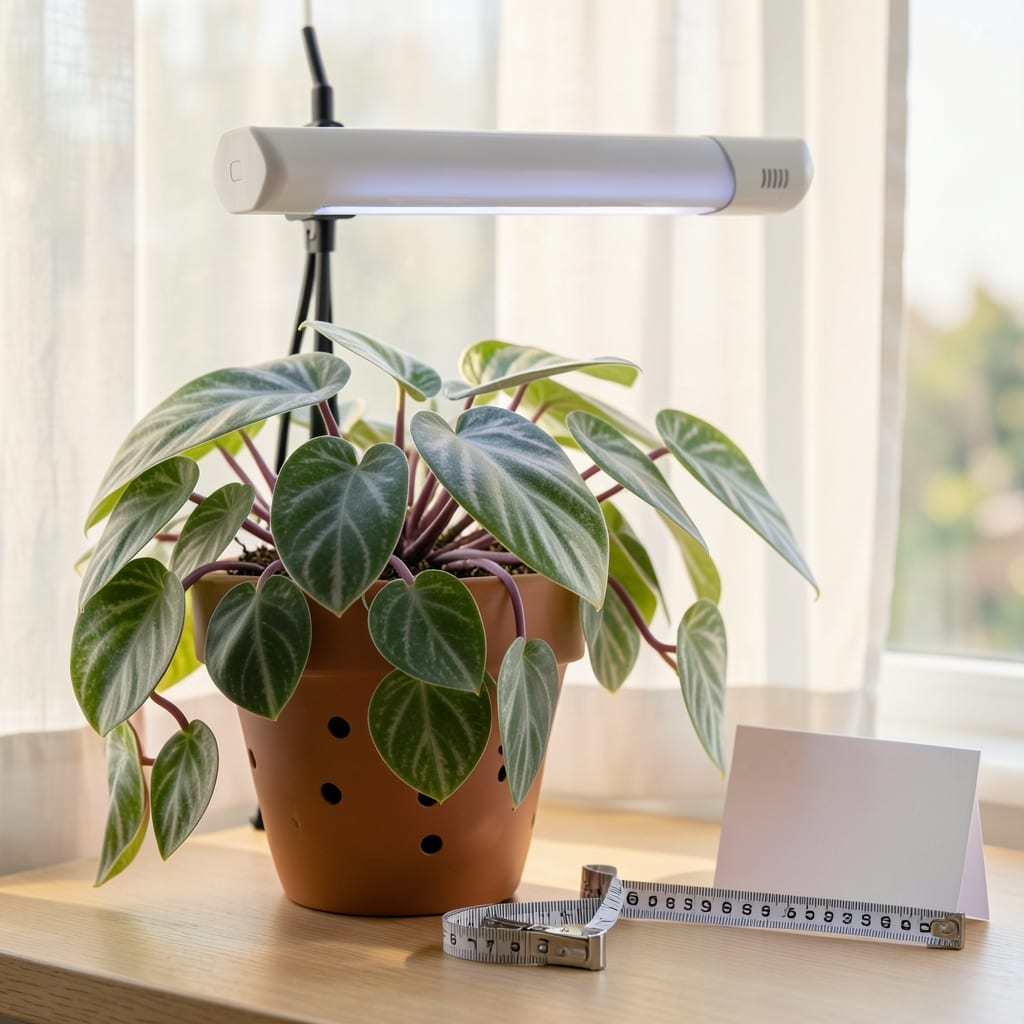
If your inch plant 🌱 looks more like a stretched-out noodle than its usual compact, colorful self, you’re dealing with a classic lighting dilemma—but how much light does an inch plant need to thrive? The right amount isn’t just about survival; it’s the secret to those vibrant purple-and-green stripes and lush, bushy growth.
Too little light, and your plant will stretch toward any available source, growing leggy and weak. Too much direct sun, and those delicate leaves will crisp up like overcooked fries. The sweet spot? Bright indirect light—think east-facing windows or a spot just a few feet from a north window.
I’ve helped countless plant parents revive their inch plants by tweaking their light setup, and the results are always the same: fuller foliage, deeper colors, and a plant that actually looks like the one you fell in love with. Let’s fix this together—starting with the exact light conditions your inch plant craves.
You’ll discover how to spot the signs of over- or underlighting, when to supplement with grow lights, and even how to adjust for seasonal changes. No more guesswork—just lush, happy inch plant growth.

Ideal light requirements for inch plant growth and color vibrancy
Your inch plant 🌱 thrives in bright indirect light, which is the golden rule for keeping those stunning purple-and-green stripes vibrant and preventing leggy growth. Think of it as the perfect balance between sunlight and shade—like a cozy reading nook where your plant gets just enough light to stay happy without getting sunburned.
The ideal setup mimics morning sun exposure (6 AM–12 PM) with filtered light for the rest of the day. This means placing your plant near an east-facing window or about 2-3 feet from a north-facing window. If you’re using a west- or south-facing window, add a sheer curtain to diffuse the harsh afternoon rays.
Direct sunlight for more than 2-3 hours daily will cause the leaves to bleach or develop brown spots, while too little light (under 4 hours of indirect light) leads to elongated stems and faded colors. The goal? A 4-6 hour daily light exposure with no harsh rays.
Light intensity is just as critical as duration. Inch plants hate hot, direct midday sun, which can crisp their leaves like overcooked fries. Instead, aim for light that’s bright enough to read a book by—this ensures your plant gets the energy it needs without stress.
Seasonal changes also play a role. In winter months, when natural light is weaker, you may need to supplement with a grow light (12 hours/day) to maintain color and compact growth. Conversely, in summer, move your plant away from windows during peak sun hours (11 AM–4 PM) to prevent leaf scorch.
Outdoor inch plants do best in partial shade gardens, where they receive dappled sunlight through tree canopies or under lattice structures. If you’re growing them outdoors in USDA Zone 6 or warmer, choose a spot with morning sun and afternoon shade to keep them thriving year-round.
Here’s how light affects your inch plant’s appearance:
- Perfect light: Bushy growth, vibrant purple-and-green stripes, and leaves that stay upright.
- Too much light: Yellow or brown leaf tips, crispy edges, and faded stripes.
- Too little light: Long, spindly stems, small leaves, and pale, washed-out colors.
Pro tip: Rotate your inch plant quarter-turn weekly to ensure even light exposure on all sides. This prevents one-sided growth and keeps those gorgeous stripes symmetrical. If you notice your plant leaning toward the light, it’s a clear sign it needs to be moved or rotated.
For indoor growers, a LED grow light (12-14 inches above the plant) can provide the perfect supplement during short-day seasons. Just remember: distance matters—too close causes heat stress, while too far won’t help. Aim for 12-14 hours of light daily in winter to mimic summer conditions.
Outdoor inch plants in containers? Use a light-colored pot to reflect extra light, and place them on a drip tray with pebbles to prevent root rot from afternoon shade moisture. This combo keeps roots cool while maximizing light absorption.
How to adjust light for different growth stages: from seedlings to mature plants
Your inch plant 🌱 doesn’t need the same light conditions at every stage of growth. Seedlings, for example, are delicate and need gentle, diffused light to prevent burning, while mature plants can handle slightly more intensity. Understanding these shifts helps you avoid common pitfalls like leggy seedlings or sun-stressed adults.
When your inch plant is just a seedling or cutting, place it in a spot with bright indirect light but no direct sun. A north-facing window or a shelf 3-4 feet from an east window works perfectly. Too much light at this stage can cause the tiny leaves to scorch, while too little leads to weak, elongated stems that flop over.
Here’s how to adjust light as your inch plant grows:
- 🌱 Seedling Stage (0-3 months): 4-5 hours of bright indirect light daily. Use a sheer curtain if near a window to filter harsh rays. Rotate the pot every 3-4 days to prevent leaning.
- 🌿 Juvenile Stage (3-6 months): Gradually increase light to 5-6 hours daily. If indoors, move closer to the window (1-2 feet away) or introduce a grow light for 10-12 hours/day if natural light is insufficient.
- 🌳 Mature Plant (6+ months): Provide 6 hours of bright indirect light, with up to 2 hours of morning sun. Avoid afternoon sun, which can bleach the leaves. Outdoor plants thrive in partial shade gardens with dappled sunlight.
If your inch plant starts looking leggy or stretched, it’s a clear sign it needs more light. To revive it, move it to a brighter spot immediately and prune the leggy stems just above a leaf node. This encourages bushier growth and helps the plant redirect energy to new, healthier leaves.
For outdoor inch plants, seasonal changes mean adjusting their light exposure. In spring and fall, when days are shorter, ensure they get at least 4 hours of morning sun***. In summer, provide afternoon shade with a lightweight shade cloth (30-50%) to protect leaves from intense rays. This balance keeps your plant lush and vibrant year-round.
Pro tip: Use a reflective surface, like a white tray or mirror, near your inch plant to bounce extra light onto its leaves. This simple trick can make a 30% difference in growth speed and color intensity, especially in low-light areas like basements or north-facing rooms.
Remember, consistency is key. Sudden changes in light—like moving a mature plant from a dim corner to a sunny windowsill—can cause stress. Adjust light gradually over 1-2 weeks to let your inch plant acclimate without shock. With the right light at every stage, your plant will stay compact, colorful, and thriving for years.