
Plants
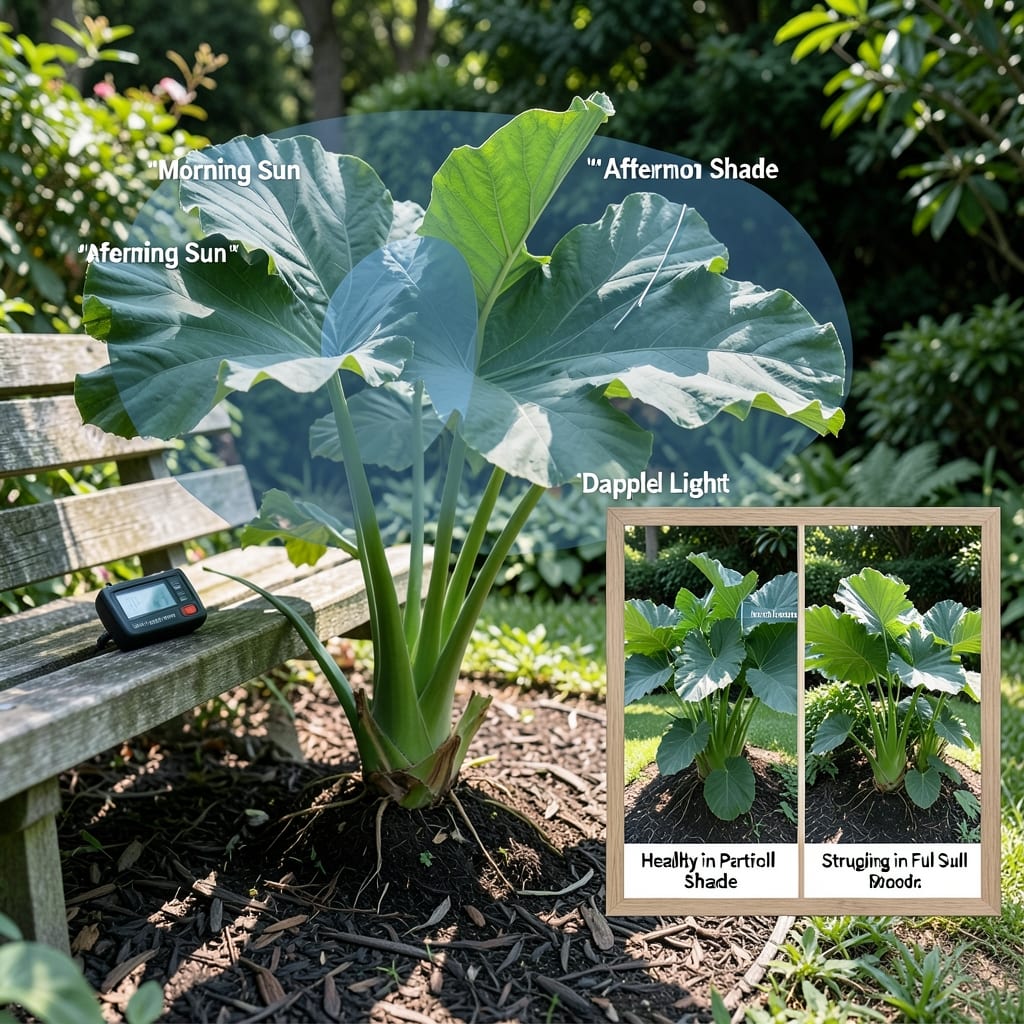
If you’ve ever wondered how much light does an elephant ear plant need, you’re not alone—this plant is picky about its light. The right balance of morning sun and afternoon shade is the key to keeping those bold, tropical leaves thriving, especially in USDA Zone 6a where spring warmth meets unpredictable weather.
Here’s the secret: Elephant Ear plants crave 4-6 hours of bright, indirect light daily, but they’ll bolt or scorch if exposed to harsh afternoon rays. Whether you’re planting in April or adjusting indoor pots, understanding this delicate balance can mean the difference between a lush statement plant and a sad, sunburned shadow of its former self.
Let’s break down exactly how much light your Elephant Ear needs—plus how to spot signs of over- or under-exposure so you can keep those leaves vibrant all season. You’ll discover the best placement tricks for both garden beds and indoor spots, ensuring your plant stays happy from spring through summer.
From choosing the perfect east-facing window to creating dappled shade in your garden, I’ll walk you through everything you need to know to give your Elephant Ear the ideal light conditions. No more guessing—just thriving, dramatic foliage that steals the show.

Ideal light requirements for Elephant Ear plants: morning sun vs full shade
Elephant ear plants (Colocasia) thrive in bright, indirect light with 4-6 hours of morning sun daily. This balance prevents leaf scorch from harsh afternoon rays while ensuring vibrant foliage growth. In USDA Zone 6a, where spring temperatures fluctuate, morning sun helps kickstart growth without stressing the plant.
Think of it like a tropical vacation—your elephant ear loves warm, gentle light, not the intense midday glare. The key is positioning: east-facing windows or garden spots provide perfect morning sun, while afternoon shade (from trees, trellises, or sheer curtains) keeps leaves lush and unscathed.
For container-grown plants, rotate pots weekly to ensure even light exposure. This prevents lopsided growth and keeps leaves reaching toward the light uniformly. In shadier climates, supplement with a grow light for 6-8 hours daily during shorter days.
| Light Condition | Daily Hours | Ideal Placement | Leaf Response |
|---|---|---|---|
| Morning Sun | 4-6 hours | East-facing window/garden | Deep green, glossy leaves |
| Afternoon Shade | 4+ hours | Under trees, sheer curtains | Prevents sunburn, maintains color |
| Full Sun | 6+ hours | Avoid after 10 AM | Brown/yellow leaf edges |
| Low Light | <2 hours | North-facing windows | Pale, leggy growth |
In outdoor gardens, plant elephant ears where they’ll receive dappled shade—think under deciduous trees or near fences that cast light shadows. If your garden gets intense afternoon sun, use a lightweight shade cloth (30-50% coverage) to diffuse harsh rays without blocking all light.
For indoor growers, place pots near east or north-facing windows where light is bright but not scorching. Avoid south-facing windows unless you’re using a sheer curtain to filter UV rays. If your home lacks natural light, a LED grow light on a timer mimics ideal conditions.
Seasonal adjustments are crucial. In spring (April-May), when days lengthen, monitor your plant closely—too much sun too soon can cause stress. Gradually acclimate potted plants to outdoor light by moving them outside for 1-2 hours daily, increasing time weekly.
Pro tip: Watch for leaf color changes as your first clue. Healthy elephant ears have deep green, velvety leaves with a slight sheen. If edges turn brown or crispy, it’s too much sun; if leaves pale and stretch (etiolation), it needs more light. Both issues are fixable with simple adjustments!
Remember, elephant ears are tropical plants at heart. They mimic the understory conditions of their native habitats—bright but filtered light. Recreate that environment, and you’ll reward yourself with bold, dramatic foliage that turns heads all season long. 🌿
Ideal light requirements for Elephant Ear plants: morning sun vs full shade
Your Elephant Ear plant thrives with 4-6 hours of morning sunlight daily, but needs protection from harsh afternoon rays. This balance mimics its natural tropical habitat, where dappled light prevents leaf scorch while maintaining vibrant foliage. In USDA Zone 6a, this means positioning your plant where it gets sun between 6 AM and 10 AM, then shifting to shade by noon.
For outdoor planting, place your Elephant Ear near trees or structures that provide afternoon shade. If growing in containers, rotate pots weekly to ensure even light exposure. East-facing windows are perfect for indoor plants, offering gentle morning light without the intensity of southern exposures.
Here’s a quick breakdown of what your plant needs based on its location:
| Location | Light Needs | Best Placement |
|---|---|---|
| Outdoor Garden | 4-6 hours morning sun | East side of house or under tall trees |
| Indoor Pots | Bright indirect light | East-facing window or 2-3 feet from south window |
| Shady Spots | 2-3 hours filtered light | North-facing window or under dense canopy |
If your Elephant Ear receives more than 6 hours of direct sun, its leaves will develop brown patches or crispy edges—a clear sign of sunburn. Conversely, too little light (under 2 hours daily) causes leggy growth and pale foliage. The key is observing your plant’s response and adjusting its position throughout the growing season.
In hot summer months, even morning sun can become intense. Use sheer curtains or move pots to slightly shadier spots. For indoor plants, supplement with a grow light for 6-8 hours daily if natural light is insufficient. This mimics the extended daylight of its tropical origins and prevents weak, stretched growth.
Remember, Elephant Ear plants are not drought-tolerant, so proper light exposure also affects their water needs. Plants in full sun dry out faster and require more frequent watering, while those in shade need consistent moisture without the risk of evaporation. Always check soil moisture before watering to avoid over- or under-watering.
By mastering this light balance, your Elephant Ear will reward you with bold, glossy leaves that become the centerpiece of your garden or indoor space. The secret isn’t complicated—just observe, adjust, and provide that perfect mix of morning brightness and afternoon respite. 🌿