
Plants
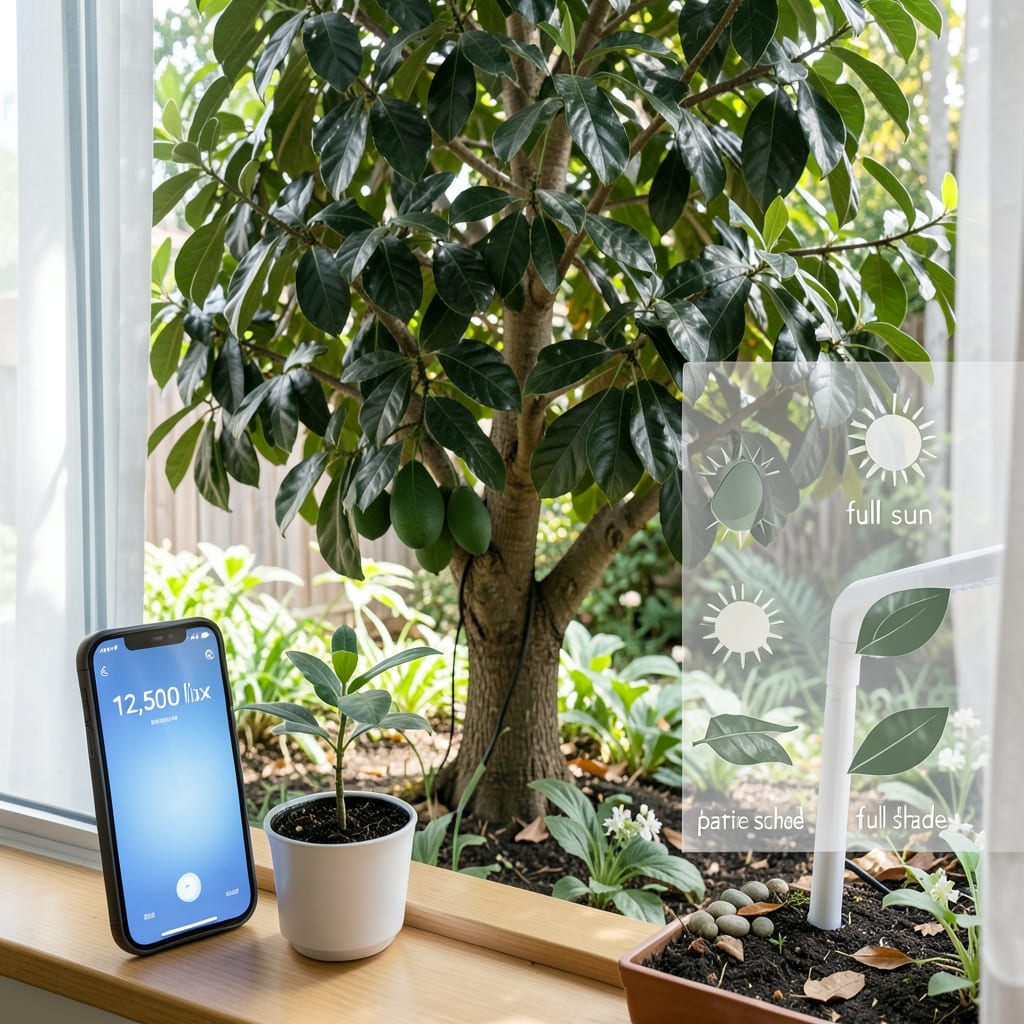
If you’re wondering how much light does an avocado plant need, the answer might be simpler than you think—it’s all about getting the balance right. Too little, and your plant will grow weak and leggy; too much, and those beautiful leaves could turn crispy at the edges. Getting the balance right is the secret to strong, healthy growth, whether you're nurturing a tiny seedling indoors or a mature tree basking in the sun.
Avocados are sun lovers, but they’re not fans of harsh, unfiltered rays—especially in their early stages. I’ve seen firsthand how the right amount of sunlight can transform a struggling plant into a lush, fruit-bearing tree. The key is understanding how much light your specific stage of growth needs and how to provide it without risking damage.
In this guide, I’ll break down exactly how many hours of light your avocado plant needs, whether you’re growing it indoors near a window or outdoors in your garden. You’ll also learn how to spot the signs of too much or too little light and how to adjust your care routine to keep your plant happy and thriving year-round.
Ready to give your avocado plant the perfect light conditions? Let’s dive in and turn those weak stems into a sturdy, sun-kissed tree that’s ready to bear fruit in no time.

Optimal sunlight requirements for avocado plants by growth stage
Avocado plants are sun-lovers, but their light needs change dramatically from seedling to mature tree. Understanding these stages helps prevent leaf burn or stunted growth. Let’s break down the ideal sunlight exposure for each phase, including indoor vs. outdoor differences.
Seedlings (0-1 year) require bright, indirect light for 4-6 hours daily. Direct sun can scorch delicate leaves, while too little light leads to leggy, weak stems. Place them near an east-facing window or under a grow light for 12 hours if indoors.
Young plants (1-3 years) crave 6-8 hours of direct sunlight daily. Outdoors, position them in partial shade during peak afternoon sun to avoid stress. Indoors, rotate pots weekly to ensure even growth toward the light source.
Mature trees (3+ years) thrive with full sun exposure (8+ hours). Outdoors, they handle direct sunlight year-round, but in USDA Zone 6a or cooler, move potted trees indoors before first frost (October 15) to maintain health.
🌱 Key Insight: Avocados tolerate partial shade but produce smaller, lower-quality fruit without full sun. Balance is critical—especially for indoor growers.
| Growth Stage | Light Needs | Indoor Placement | Outdoor Placement |
|---|---|---|---|
| Seedling (0-1 year) | 4-6 hours bright indirect | East-facing window or grow light | Partial shade with morning sun |
| Young Plant (1-3 years) | 6-8 hours direct | South-facing window + rotation | Full sun with afternoon shade |
| Mature Tree (3+ years) | 8+ hours full sun | Grow lights (14+ hours) | Full sun year-round (Zone 10+) |
Seasonal adjustments are crucial. In summer months, avocados may need afternoon shade to prevent leaf scorch. Conversely, winter light (especially indoors) often requires supplemental grow lights to maintain 6+ hours of brightness.
💡 Pro Tip: Use a light meter (or phone app) to monitor light levels. Ideal indoor light for avocados is 3,000-5,000 lux. If readings drop below 2,000 lux, supplement with LED grow lights.
Outdoor avocados in cooler climates (like Zone 6a) need protection from frost. Move potted trees indoors before temperatures drop below 40°F, placing them near the brightest window or under grow lights for 12-14 hours daily.
🌿 Common Mistake: Many growers assume more sun is always better. Over-exposure causes brown leaf tips, while under-lighting leads to yellowing leaves and weak stems. Gradually acclimate plants to new light conditions to avoid shock.
For container-grown avocados, rotate pots quarter-turns weekly to ensure even light exposure. This prevents lopsided growth and encourages balanced foliage development, which is critical for fruit production.
How to provide perfect light indoors without risking leaf burn
Indoor avocado plants face unique challenges when it comes to light. Without proper placement or supplemental lighting, even the hardiest seedlings can develop weak stems or sunburned leaves. The key is replicating natural sunlight conditions while avoiding common pitfalls like over-exposure or insufficient brightness.
For indoor growers, a south-facing window is ideal, offering 6-8 hours of direct sunlight daily. However, afternoon sun can be intense—especially in summer—so position your plant 3-6 feet back from the glass to diffuse harsh rays. If your home lacks south-facing windows, an east or west-facing window works too, but you’ll need to supplement with grow lights during shorter winter days.
🚨 Critical Warning: Avoid placing your avocado plant near west-facing windows during peak summer afternoons. The intense 3 PM-5 PM sunlight can cause leaf burn within hours, turning edges crispy and brown. Instead, use a sheer curtain to filter light or rotate the plant away from direct rays after noon.
- Leaf Burn: Brown, crispy edges from too much direct sun.
- Leggy Growth: Stems stretch toward light, becoming weak and spindly.
- Yellowing Leaves: Sign of insufficient light or poor circulation.
These issues often appear within 2-4 weeks of incorrect light exposure. Act fast to adjust placement or lighting!
If natural light is insufficient, LED grow lights are your best bet. Opt for a full-spectrum LED bulb (2700K-6500K color temperature) and position it 6-12 inches above the plant. Run lights for 12-14 hours daily to mimic a long summer day, especially in winter months when daylight is scarce. Avoid incandescent bulbs, which generate too much heat and can scorch leaves.
For container-grown avocados, rotate the pot quarter-turns weekly to ensure even light exposure. This prevents lopsided growth and encourages balanced foliage, which is critical for future fruit production. If you notice new growth leaning toward one side, it’s a clear sign your plant needs to be repositioned closer to the light source or rotated more frequently.
💡 Pro Tip: Place a light meter near your plant to monitor lux levels. Ideal indoor light for avocados is 3,000-5,000 lux. If readings drop below 2,000 lux, supplement immediately with a grow light or move the plant to a brighter spot. In USDA Zone 6a or cooler, indoor growers should use grow lights year-round to maintain consistent light exposure.
Finally, avoid common mistakes like placing your avocado near drafty windows or air conditioning vents. Cold drafts can shock the plant, while direct airflow from vents may dry out the soil too quickly. Instead, keep your avocado in a stable, warm environment (65-80°F) with humidity levels above 50% to support healthy growth.