
Light Requirements
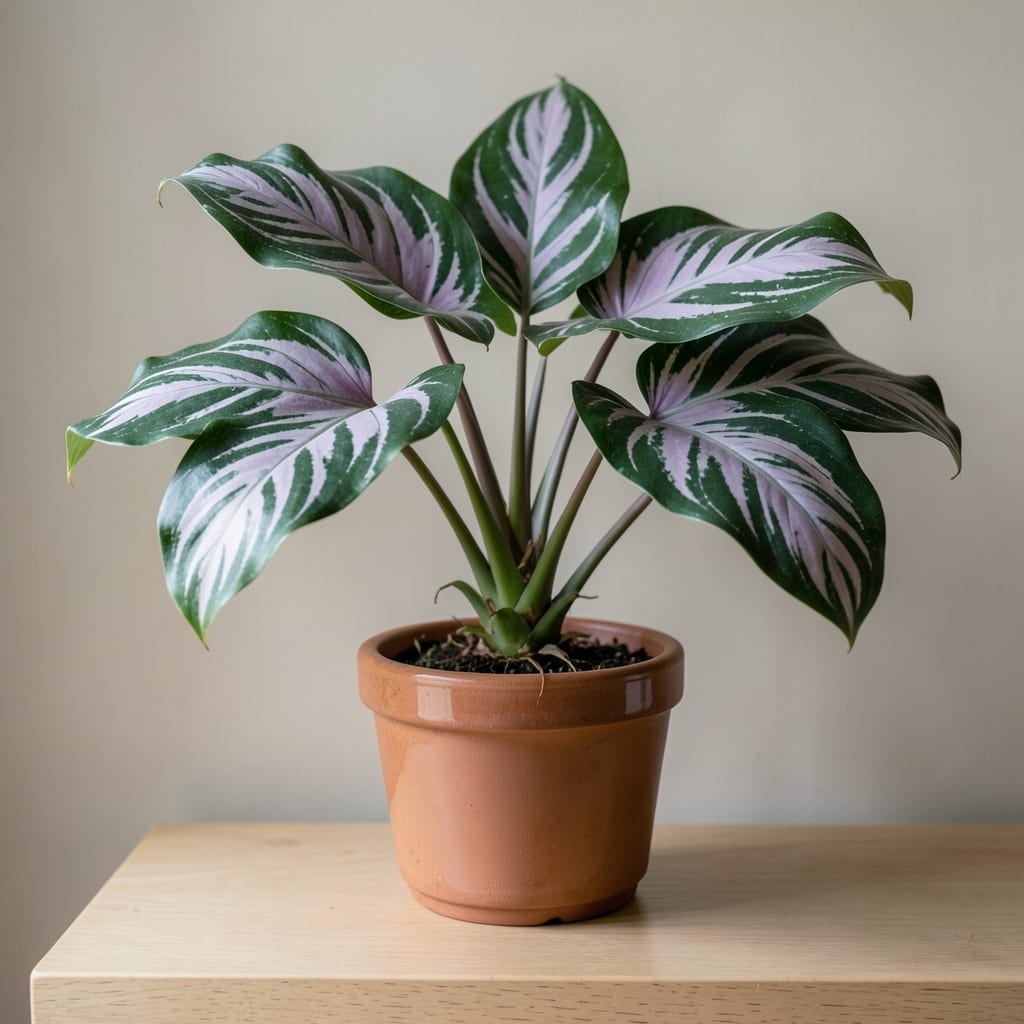
If you're wondering how much light does a Zebra Plant need to keep those show-stopping stripes bold and vibrant, the answer is simpler than you might think—it’s all about bright indirect sunlight. This stunning tropical beauty thrives in bright indirect sunlight, but too much direct sun or too little light can dull its signature patterns and stunt its growth.
Most gardeners struggle with finding that perfect balance, especially when dealing with indoor lighting. The key isn’t just about quantity—it’s about quality. Too harsh, and you’ll see crispy edges; too dim, and those bold stripes fade into forgettable green. I’ll show you exactly how to spot the signs and adjust your setup for a plant that stays vibrant and thriving.
Whether you’re dealing with a south-facing window that’s too intense or a north-facing spot that’s just not cutting it, we’ll cover all the bases. You’ll learn which windows work best, how to supplement with grow lights, and even how to rotate your plant for even growth. Let’s bring back that perfect striped foliage you fell in love with!
With just a few simple tweaks, you can transform your Zebra Plant from a struggling underachiever to the star of your indoor jungle. Ready to unlock its full potential? Let’s get started.

Zebra plant light requirements: the ideal bright indirect sunlight breakdown
The Zebra Plant (Aphelandra squarrosa) thrives in bright indirect sunlight, which is the sweet spot for maintaining those striking white stripes against deep green leaves. Unlike sun-loving plants, this tropical beauty gets stressed by harsh direct rays, which can bleach its foliage and cause leaf burn. Think of it like a coffee lover’s ideal setting—bright but never scorching.
In nature, Zebra Plants grow under the dappled shade of rainforest canopies, where sunlight filters through leaves above. Recreating this environment indoors means placing your plant near an east or west-facing window, where morning or late afternoon light is softer. South-facing windows can work too, but only if you use a sheer curtain to diffuse the intensity.
If you’re unsure about your space, here’s a quick rule of thumb: 4-6 hours of bright indirect light daily is ideal. This mimics the natural light cycle in their native habitats and keeps those bold stripes crisp and vibrant. Too little light, and the stripes fade to pale green; too much, and you’ll see crispy brown edges.
| Light Requirement | Specification | Ideal Setup |
|---|---|---|
| Intensity | Bright indirect (40-60%) | East/west window, 2-3 ft away |
| Duration | 4-6 hours daily | Rotate plant weekly for even growth |
| Avoid | Direct midday sun | Use sheer curtains for south windows |
| Low Light Signs | Faded stripes, leggy growth | Move closer to light or add grow lights |
One common mistake I see is assuming all bright light is good light. A south-facing window in summer can deliver intense midday rays, which act like a magnifying glass on your Zebra Plant’s leaves. If you notice yellowing or brown crispy edges, it’s a clear sign of sunburn. The fix? Move your plant 3-4 feet back from the window or add a sheer curtain to filter the light.
For those in low-light homes, like apartments with only north-facing windows, don’t despair. Zebra Plants can tolerate moderate indirect light, though the stripes may not be as bold. In these cases, supplement with a 10,000-lux LED grow light for 6-8 hours daily. Place the light 12-18 inches above the plant and adjust based on leaf response—if growth slows, increase duration.
Pro tip: Pay attention to your plant’s growth direction. If it leans toward the light, it’s stretching for more—time to rotate it quarter-turn weekly to keep it bushy and balanced. This simple habit prevents lopsided growth and ensures all sides get equal light exposure.
If you’re still unsure about your space, try the shadow test: Hold your hand near the plant’s leaves. If you can’t see your shadow clearly through the leaves, the light is too dim. If your hand’s shadow is crisp and dark, the light is too harsh. Aim for that soft, diffused glow that mimics a cloudy day in the tropics.
Remember, the goal is to preserve those zebra stripes. When light conditions are just right, your plant will reward you with deep green leaves and stark white stripes that make it a showstopper in any room. With these guidelines, you’re well on your way to mastering the art of Zebra Plant lighting.
How to adjust light for a zebra plant’s striped foliage health
Adjusting your Zebra Plant’s light exposure is the key to keeping those bold white stripes vibrant and preventing common issues like leggy growth or faded foliage. Start by rotating your plant weekly—this ensures even light exposure and prevents it from leaning toward the window. Think of it like giving your plant a full-body sunbath without favoring one side.
If your Zebra Plant is stretching toward the light, it’s begging for more—but not direct sun. Move it closer to an east or west window or supplement with a 10,000-lux LED grow light for 6 hours daily. Place the light 12-18 inches above the plant to mimic natural sunlight without scorching the leaves.
For south-facing windows, harsh midday sun can cause leaf burn. Use a sheer curtain to diffuse the light or position your plant 3-4 feet back from the glass. Test your setup with the shadow test: If your hand’s shadow is crisp and dark near the leaves, the light is too intense.
⚠️ Warning: Signs of Light Stress
Yellowing leaves or brown crispy edges mean too much direct sun. Faded stripes or leggy stems signal insufficient light. Act fast—adjust within 1-2 weeks to avoid permanent damage.
In low-light conditions, like north-facing rooms, your Zebra Plant may survive but won’t thrive. Boost light with a full-spectrum grow bulb (not fluorescent—those lack the right spectrum). Place it 18-24 inches away and keep it on for 8-10 hours daily. Monitor closely: if new growth is pale and sparse, increase the light duration.
Pro tip: Mistake-proof your setup by using a light meter app (like "Light Meter" for iOS) to check intensity. Aim for 1,000-2,000 lux—any lower, and those stripes will fade. Pair this with weekly rotations to keep your plant balanced and lush.
Remember, the goal is consistency. Zebra Plants adapt slowly to light changes, so gradual adjustments (like moving it a few inches at a time) prevent shock. With these tweaks, your plant will reward you with sharp stripes and glossy leaves that turn heads in any room.