
Light Requirements
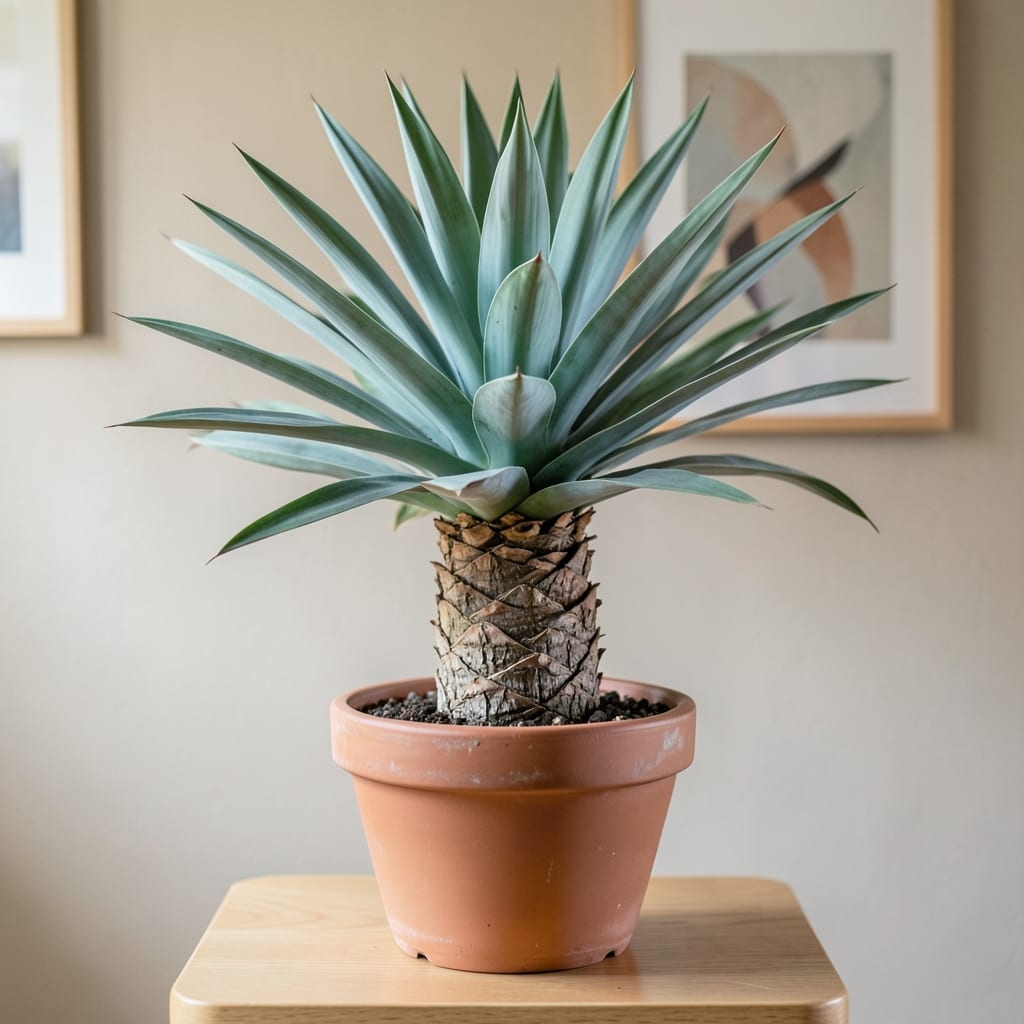
If you’re wondering how much light does a yucca plant need, you’re not alone—most gardeners struggle with getting the lighting just right. The truth? This hardy shrub thrives in bright, direct sunlight, but too much or too little can turn its striking foliage into a sad, leggy mess.
Here’s the game-changer: 4–6 hours of direct sun daily is the sweet spot for keeping your yucca lush and vibrant. Whether you’re growing it outdoors in Zone 6a or indoors near a south-facing window, small tweaks can make all the difference—especially when seasons shift.
I’ll show you exactly how to spot signs of light stress (think brown tips or pale leaves) and how to adjust placement, containers, or even grow lights to keep your plant happy year-round. No more guesswork—just a thriving yucca 🌵 that steals the show.
Let’s dive into the simple secrets that’ll transform your plant’s growth in just a few weeks.

Optimal sunlight requirements for yucca plants: 4-6 hours of direct sun daily
Yucca plants thrive when basking in bright, direct sunlight—but not all varieties have the same tolerance. Most common types, like Yucca elephantipes (spineless yucca) and Yucca flaccida (weakleaf yucca), need 4 to 6 hours of sunlight daily to maintain their signature sword-like foliage and sturdy growth. Without enough light, they’ll stretch unnaturally, producing long, weak stems and pale leaves.
For outdoor yuccas, aim for full sun exposure—think south- or west-facing gardens where they can soak up 6+ hours of direct rays during peak daylight. In hot climates (Zones 8-11), afternoon shade helps prevent leaf scorch, but morning sun is essential for energy production. Indoor yuccas? Place them near south-facing windows where they’ll get the most consistent light.
Here’s how sunlight needs vary by yucca type and environment:
| Yucca Variety | Sunlight Needs | Notes |
|---|---|---|
| Yucca elephantipes | 6+ hours (full sun) | Most popular; drought-tolerant but needs strong light for compact growth. |
| Yucca flaccida | 4-5 hours (morning sun) | Prefers afternoon shade in hot climates to avoid leaf burn. |
| Yucca rostrata | 5-6 hours (partial sun) | Adapts to partial shade but grows best with filtered light. |
| Indoor Yucca | 4+ hours (south window) | Supplement with grow lights 12-14 hours/day if natural light is insufficient. |
Seasonal adjustments are key. In summer (June-August), yuccas in Zones 9-11 may need afternoon shade to prevent leaf bleaching or crispy edges. Conversely, winter (December-February) calls for maximum light exposure—move potted yuccas closer to windows or use reflective surfaces (like mirrors) to bounce light onto leaves.
Watch for visual cues like yellowing leaves (too little light) or brown tips (too much). Yucca elephantipes, for example, will develop pale, stretched stems if deprived of light, while Yucca flaccida may show reddish hues as a stress signal. These clues help you fine-tune placement before damage sets in.
Pro tip: Rotate container-grown yuccas quarter-turns every 2 weeks to ensure even light exposure on all sides. This prevents lopsided growth and keeps foliage symmetrical and vibrant. For indoor plants, a south-facing window with 6+ hours of sun is ideal, but west-facing windows work too—just avoid east-facing spots where morning light fades by noon.
If you’re growing yuccas in containers or urban spaces, prioritize elevated surfaces (like rooftop gardens or tall planters) to maximize sunlight access. Even 3-4 hours of direct sun can sustain a yucca, but growth will be slower and less robust compared to full-sun conditions. Pair your yucca with drought-tolerant companions like agave or sedum to create a microclimate that retains heat and light.
Remember: Yuccas are desert plants at heart, so they’d rather bask in too much sun than suffer from light deprivation. Start with 6 hours of direct light daily, then adjust based on leaf color and growth patterns. With the right balance, your yucca will reward you with glossy, upright foliage and minimal maintenance.
🌵
Signs your yucca isn’t getting enough (or too much) light—and how to fix it
Your yucca’s leaves tell a story—pale, stretched stems and yellowing foliage scream light deprivation, while brown, crispy tips and bleached patches signal sunburn. These visual cues are your early warning system. Ignore them, and you’ll end up with a plant that’s either weak and leggy or stressed and stunted. The good news? Fixing these issues is simpler than you think.
Let’s start with the most common red flags. If your yucca elephantipes develops thin, elongated leaves reaching toward the light source, it’s begging for more direct sunlight. This etiolation (stretching) happens when indoor plants don’t get enough light, often near north-facing windows or in shady corners. Outdoor yuccas in partial shade may show similar symptoms, especially in Zones 4-6 where summer sunlight is weaker.
- Too Little Light: Pale, yellow leaves; weak stems; slow growth
- Too Much Light: Brown, crispy leaf tips; bleached patches; leaf drop
- Indoor Fix: Move to south-facing window or add grow lights
- Outdoor Fix: Provide afternoon shade in hot climates
Yuccas can’t tell you what’s wrong—you have to read their leaves.
On the flip side, if your yucca’s leaves develop brown, papery edges or white, sun-bleached spots, it’s suffering from excessive sunlight. This is especially common in containers on patios or south-facing gardens during peak summer hours. Yucca flaccida, for example, may show reddish-purple hues as a stress signal when exposed to intense afternoon sun without acclimation.
Here’s how to diagnose and fix these issues quickly. For light-deprived yuccas, start by moving them to a sunnier spot. If you’re indoors, a south-facing window with 6+ hours of direct light is ideal. For outdoor plants in shady spots, gradually introduce more sunlight over 1-2 weeks to avoid shocking the plant. If natural light is insufficient (common in winter months or northern climatesLED grow light placed 12-18 inches above the plant for 12-14 hours daily.
For yuccas suffering from too much sun, the solution is equally straightforward. Provide afternoon shade using a sheer curtain or lightweight shade cloth (30-50% block). If your yucca is in a container on a balcony, move it to a spot with morning sun only or dappled shade. For permanently installed yuccas, plant them near taller shrubs or trees that provide filtered light. Avoid placing them in full sun without acclimation, especially in hot, dry climates where temperatures exceed 90°F (32°C).
One often-overlooked fix is rotating your yucca every 2 weeks. This ensures all sides get equal light exposure, preventing lopsided growth and uneven leaf development. Pair this with regular pruning to remove damaged or discolored leaves, which helps the plant redirect energy to healthier growth. If your yucca is in a container, choose one with good drainage and elevated sides to prevent waterlogged roots, which can further stress a light-starved plant.
Remember, yuccas are desert plants—they’d rather handle too much sun than suffer from light deprivation. Start with 4-6 hours of direct light daily, then adjust based on leaf color and growth patterns. With these simple fixes, your yucca will bounce back in just a few weeks, sporting vibrant, upright foliage that’s the envy of every garden.
🌿