
Light Requirements
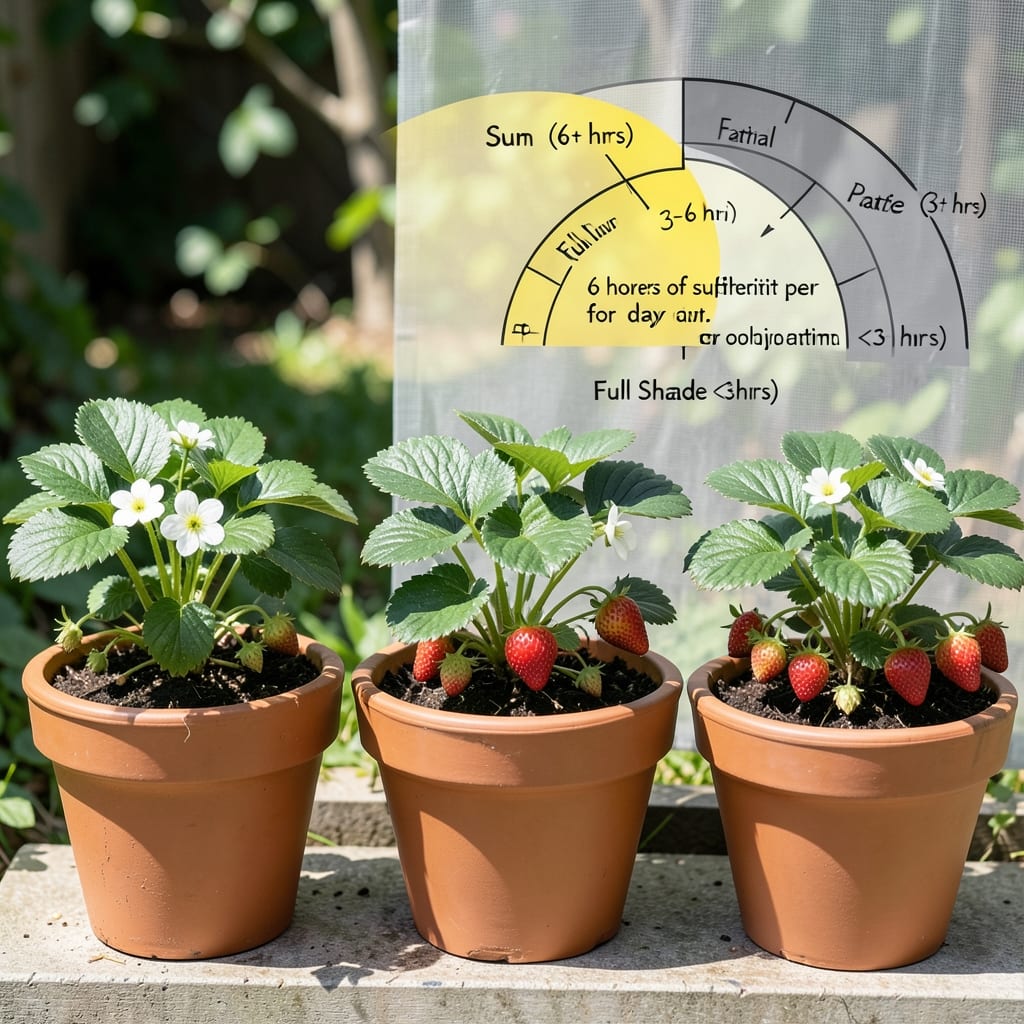
If your 🍓 strawberry plants are struggling to produce sweet, plump berries, the issue might be simpler than you think—it’s all about how much light a strawberry plant needs. These plants thrive when they get the right amount of sunlight, but too little or too much can send your harvest in the wrong direction. Whether you're dealing with leggy plants or tiny, tasteless fruit, understanding their light needs is the key to turning things around.
Most gardeners assume strawberries just need "lots of sun," but the truth is more nuanced. These plants actually adjust their light requirements depending on their growth stage—from leafy greens to flowering to fruiting. Without the right balance, you could end up with weak vines or underdeveloped berries. The good news? With a few simple tweaks, you can optimize their light exposure and watch your plants transform.
In this guide, I’ll break down exactly how many hours of sunlight strawberries need at each stage, plus how to spot when they’re not getting enough. You’ll also discover clever workarounds for shady spots, so even urban gardeners or those with limited sunlight can still enjoy a bountiful harvest. Let’s get your strawberries the light they crave!
From 6 hours of sun for containers to full sun for ground-planted varieties, I’ll cover everything you need to know to avoid common mistakes. Ready to turn your strawberry patch into a productivity powerhouse? Let’s dive in.

Strawberry plant light requirements by growth stage: full sun vs partial shade
Strawberries are often called sun-worshippers, but their light needs change dramatically as they grow. At the vegetative stage (first 4-6 weeks), young plants can tolerate 4-6 hours of sun daily, especially in hot climates where too much sun can scorch tender leaves. However, once they start flowering and fruiting, they demand 6-10 hours of direct sunlight to produce the sweet, plump berries we love. This shift is critical—skipping it often results in small, bland fruit or no berries at all.
Most gardeners assume all strawberries need the same amount of light, but the truth is more nuanced. June-bearing varieties (like 'Jewel') thrive with full sun exposure (8+ hours), while everbearing and day-neutral types (like 'Albion') can handle partial shade (4-6 hours) in hot afternoons. Understanding these differences can mean the difference between a bountiful harvest and a disappointing one. Let’s break down the exact light requirements for each growth stage so you can optimize your strawberry patch.
🌱 Vegetative Stage (0-6 weeks): Young plants focus on leaf and root growth, so they’re more shade-tolerant. Aim for 4-6 hours of morning sun (before 12 PM) to prevent leaf burn. In hot climates (Zones 8-10), afternoon shade is a must—think dappled light under trees or a 30% shade cloth during peak heat. This stage is your chance to establish strong roots before the flowering rush.
☀️ Flowering Stage (6-8 weeks): This is when strawberries double down on sunlight needs. They require 6-8 hours of direct sun to develop strong flower buds and prevent blind flowering (when flowers form but no fruit sets). If your plants are in containers or raised beds, rotate them weekly to ensure even light exposure. South-facing locations are ideal, but east or west exposures work too—just avoid deep shade or north-facing spots where light is minimal.
🍓 Fruiting Stage (8+ weeks): Now, your strawberries are in full sun mode. They need 8-10 hours of sunlight daily to ripen fruit properly, develop sweetness, and avoid white shoulder (a condition where berries stay pale and underdeveloped). If your plants are in partial shade, expect smaller berries with less flavor. In cooler climates (Zones 3-6), extend the growing season with row covers or cold frames to maximize sunlight hours.
| Growth Stage | Ideal Sunlight Hours | Shade Tolerance | Climate Adjustments |
|---|---|---|---|
| Vegetative (0-6 weeks) | 4-6 hours (morning sun) | Moderate (30% shade OK) | Hot climates: afternoon shade |
| Flowering (6-8 weeks) | 6-8 hours (direct sun) | Low (partial shade reduces fruit) | Cool climates: extend with row covers |
| Fruiting (8+ weeks) | 8-10 hours (full sun) | None (shade = small berries) | Urban gardens: reflective surfaces |
One common mistake I see is assuming that more sun is always better. While strawberries love sunlight, intense afternoon heat (especially in Zones 8-10) can cause leaf scorch or even fruit sunburn, leaving white patches on berries. To fix this, use 30-50% shade cloth during the hottest hours (12 PM–4 PM) while still allowing plenty of morning light. This trick works wonders in container gardens or raised beds where you can easily adjust shade levels.
If you’re growing strawberries in containers or hanging baskets, prioritize locations that get at least 6 hours of sun. South-facing balconies or patios are ideal, but even east or west exposures can work if the containers are moved to catch morning or late-afternoon sun. Avoid north-facing spots—these rarely provide enough light for fruiting. Pro tip: Use reflective surfaces like white walls or mirrors to bounce extra light onto your plants, especially in urban gardens where space is limited.
For gardeners in cooler climates (Zones 3-6), sunlight is less of an issue, but seasonal adjustments are key. In early spring, strawberries may need row covers or cold frames to trap heat and extend the growing season. Conversely, in late summer, light deprivation can occur if days shorten too quickly—use grow lights for 12-14 hours/day to keep plants productive. This is especially important for everbearing varieties, which produce fruit in multiple flushes.
Finally, don’t overlook the microclimate in your garden. A spot that seems sunny might have obstructions like trees or buildings casting shade at certain times of day. Test your locations by placing a sunlight tracker (or even a simple white plate) in potential spots
Signs your strawberries aren’t getting enough light (and how to fix it)
If your 🍓 strawberry plants look healthy but refuse to produce fruit—or worse, the berries are tiny and tasteless—light deprivation might be the culprit. Unlike leafy greens, strawberries need specific sunlight cues to trigger flowering and fruiting. When they don’t get enough, they’ll send you clear (but often overlooked) warning signs. The key is learning to read these visual clues before your harvest suffers.
One of the first red flags is long, leggy stems with sparse leaves. Strawberries stretch toward light sources in a phenomenon called etiolation, which weakens their structure and reduces energy for fruit production. You might also notice fewer (or no) flowers despite healthy-looking foliage. This is your plant’s way of saying, "I’m not getting enough energy from sunlight to reproduce!" Even if flowers do appear, they may fall off without setting fruit, a condition called blind flowering.
🍓 Small, underdeveloped berries are another classic sign of light starvation. When strawberries don’t get 6-10 hours of direct sunlight during fruiting, they simply can’t develop the sugars and acids that make berries sweet and plump. Instead, you’ll end up with hard, pale, or seedy berries that lack flavor. In extreme cases, the plant may produce no fruit at all, focusing all its energy on leaf growth instead.
Here’s how to diagnose the issue quickly: Check the color and health of your leaves. Strawberries with insufficient light often develop darker, thinner leaves that look almost purplish or reddish along the veins. This happens because the plant is trying to produce more chlorophyll to capture whatever light it can. If you also see yellowing between leaf veins (a sign of chlorosis), it could mean the plant is struggling to photosynthesize efficiently due to low light.
⚠️ Warning: Common Light Mistakes
❌ Over-shading – Planting under tall trees or using too much shade cloth (e.g., 70%+ blockage) during all growth stages.
❌ Ignoring microclimates – Assuming a spot is "sunny" without checking actual sunlight hours (use a sunlight tracker or app for 24 hours).
❌ Skipping seasonal adjustments – Failing to extend light in spring or reduce afternoon sun in summer for hot climates.
❌ Wrong container placement – Keeping potted strawberries in north-facing windows or under eaves that block light.
Fixing these issues is easier than you think. For ground-planted strawberries, start by moving them to a sunnier location—ideally one with 6+ hours of direct sun. If you’re limited to partial shade, prioritize morning sunlight (before 12 PM) and use reflective surfaces like white walls or mirrors to bounce extra light onto the plants. For container growers, rotate pots weekly to ensure even light exposure on all sides, and consider south-facing balconies or patios.
In hot climates (Zones 8-10), afternoon shade is your friend. Use 30-50% shade cloth from 12 PM–4 PM to protect leaves from scorch while still allowing morning sun. For cooler climates (Zones 3-6), extend the growing season with row covers or cold frames to trap heat and maximize sunlight hours. If your strawberries are in deep shade (e.g., under dense trees), consider vertical growing systems like trellises or hanging baskets near a sunny wall.
Pro tip: If you’ve already missed the planting window, grow lights can be a lifesaver. For 12-14 hours of light daily, use a full-spectrum LED grow light placed 6-12 inches above the plants. This mimics natural sunlight and can boost flowering and fruiting even in low-light conditions. Just avoid placing lights too close—heat stress can be worse than light deprivation!