
Plants
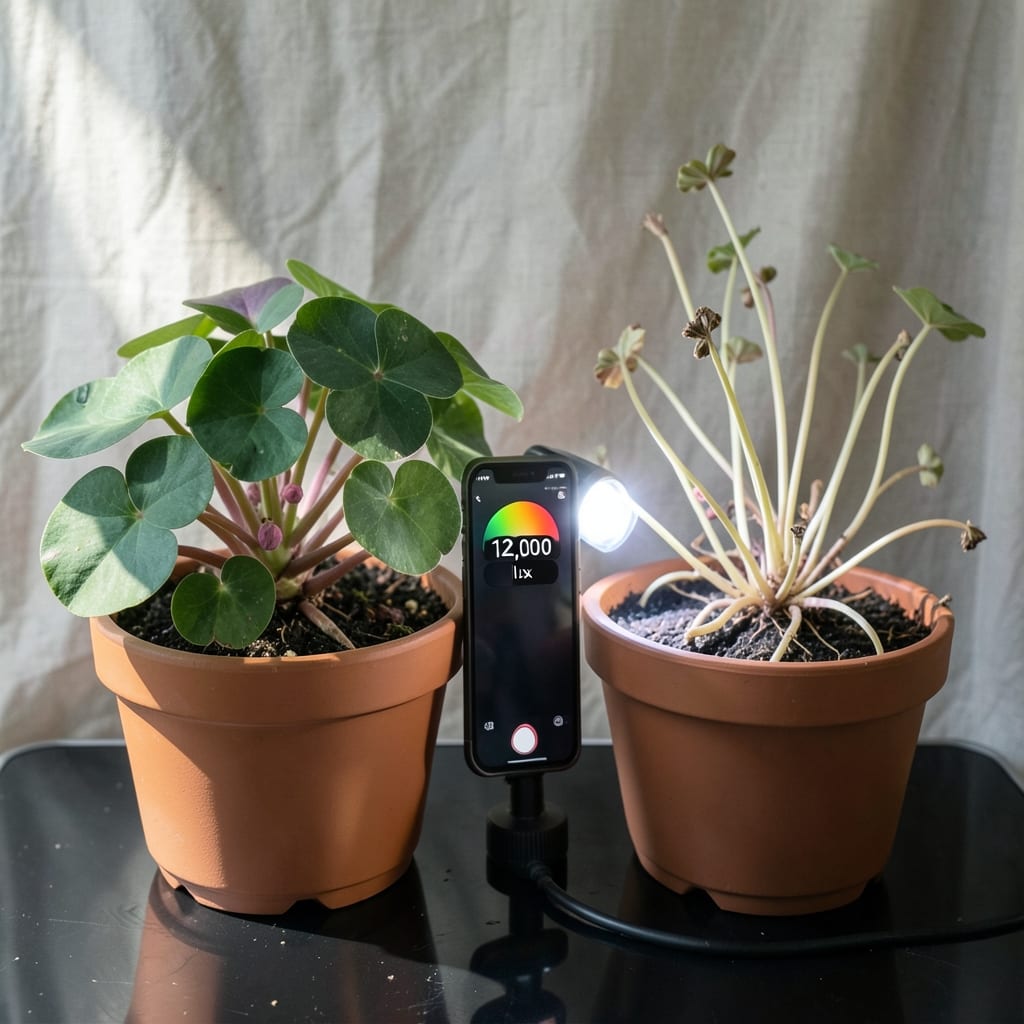
If your 🍀 shamrock plant looks sad—leggy, pale, or crispy—chances are, its light needs aren’t being met. Unlike sun-loving succulents, shamrocks thrive in bright, indirect light, but too much direct sun can turn their leaves into crispy snacks. The secret to keeping them lush? Understanding how much light they actually need to avoid common pitfalls like overwatering or weak growth.
Shamrocks aren’t fussy, but they do have preferences: 4 to 6 hours of filtered sunlight daily is ideal, whether indoors near an east-facing window or outdoors in dappled shade. Too little light? Your plant will stretch toward the nearest source, growing tall and weak. Too much? Watch for brown patches or bleached spots—clear signs of sunburn. The good news? With a few simple adjustments, you can create the perfect spot for your shamrock to flourish.
Indoor growers often struggle with low light, especially in winter, while outdoor enthusiasts might overestimate how much sun their shamrocks can handle. I’ll show you how to spot the signs of light stress and tweak your setup—whether it’s rotating your pot or using sheer curtains—to keep your shamrock happy year-round. No guesswork, just results.
Ready to give your shamrock the light it craves? Let’s break down the best spots for your plant, from windowsills to shaded garden beds, and how to troubleshoot when things go wrong. Your shamrock’s vibrant green leaves are just a few adjustments away!

Ideal light requirements for shamrock plants: bright indirect sun explained
Shamrocks (Oxalis spp.) love bright indirect light, but they’re not fans of harsh, direct sunlight. Think of them as the Goldilocks of houseplants—they want conditions that are "just right." In nature, these plants grow under the canopy of trees, where sunlight filters through leaves, creating a dappled effect. Replicating this environment is key to keeping your shamrock thriving indoors or in partial shade outdoors.
For optimal growth, aim for 4 to 6 hours of bright, filtered sunlight daily. This could mean placing your shamrock near an east-facing window, where morning sun is gentle, or using sheer curtains to diffuse the intensity of midday rays. If you notice leaves turning pale or developing brown patches, it’s a sign your plant is getting too much direct sun—time to move it to a shadier spot.
The best light conditions for shamrocks include:
- East or north-facing windows (gentle morning light)
- Dappled shade outdoors (under trees or on a porch)
- Artificial grow lights (12-14 hours/day if natural light is insufficient)
Here’s how to spot if your shamrock isn’t getting enough light:
- Leggy stems (stretching toward light sources)
- Pale or yellowing leaves (lack of chlorophyll)
- Slow or no growth (plant becomes dormant)
Seasonal changes also affect light needs. During winter months, days are shorter, and indoor light may feel dimmer. Rotate your shamrock’s pot quarter-turns weekly to ensure even growth, and consider adding a LED grow light if natural light drops below 4 hours daily. In summer, watch for signs of heat stress, like crispy leaf edges, and provide afternoon shade if needed.
| Light Requirement | Ideal Conditions | Signs of Stress |
|---|---|---|
| Bright Indirect Light | 4-6 hours daily (east/north windows) | Leggy growth, pale leaves |
| Direct Sun | >6 hours (south/west exposure) | Brown patches, crispy edges |
| Low Light | <4 hours (dim corners) | Stunted growth, weak stems |
| Seasonal Adjustments | Winter: Supplement with grow lights | Dormancy, no new leaves |
Pro tip: If your shamrock’s leaves have variegation (white or yellow patterns), they’ll need slightly more light to maintain their coloration. These patterns are energy-intensive, so place variegated shamrocks closer to a window than solid-green varieties. Just avoid direct sun, which can bleach the leaves over time.
For outdoor shamrocks, choose a spot with morning sun and afternoon shade, like a woodland garden or the edge of a patio. Mulch around the base to retain moisture, as dappled shade areas can dry out faster than full-shade spots. If you’re growing shamrocks in containers, ensure pots have drainage holes to prevent root rot from overwatering in low-light conditions.
Remember, shamrocks are resilient! Even if you’ve over- or under-exposed them in the past, they often bounce back with a simple adjustment. Start by observing your plant’s leaves—they’re the best indicators of whether your lighting is just right. 🍀
Ideal light requirements for shamrock plants: bright indirect sun explained
Shamrocks, with their delicate 🍀 three-leaf clover charm, aren’t high-maintenance, but they do need the right light conditions to thrive. Unlike sun-worshippers like cacti, these plants prefer bright indirect light—think of it as a gentle morning glow rather than harsh afternoon rays. Too little light, and your shamrock will stretch toward the nearest window, growing tall and leggy. Too much direct sun, and you’ll see crispy brown edges or bleached spots on the leaves.
The sweet spot for shamrocks is 4 to 6 hours of filtered sunlight daily. This could mean placing your potted shamrock near an east-facing window where it gets morning sun and afternoon shade, or positioning it outdoors under a dappled shade tree. If you’re growing shamrocks in a garden bed, avoid full sun spots where they’ll get scorched. Instead, opt for areas with partial shade, like near a fence or under a pergola.
Here’s how to spot if your shamrock’s light needs aren’t being met:
| Condition | Signs | Solution |
|---|---|---|
| Too Little Light | Leggy stems, pale leaves, sparse foliage | Move to brighter spot or use grow lights |
| Too Much Sun | Brown patches, crispy edges, bleached leaves | Provide afternoon shade or sheer curtains |
| Perfect Light | Vibrant green leaves, compact growth, no spots | Keep current conditions—you’re golden! |
For indoor growers, an east-facing window is ideal because it provides gentle morning light without the intense heat of afternoon sun. If your home only has south- or west-facing windows, use sheer curtains to diffuse the light and prevent leaf burn. In winter, when natural light is scarce, supplement with a grow light for 12-14 hours a day to keep your shamrock thriving.
Outdoor shamrocks also benefit from seasonal adjustments. In summer, they may need more afternoon shade, while in winter, they can tolerate slightly more direct light since the sun is weaker. Always monitor your plant’s response—if leaves start looking stressed, it’s time to tweak their spot. A happy shamrock will reward you with lush, vibrant foliage and those iconic three-leaf clovers all year round.
Pro tip: Rotate your shamrock pot quarter-turn weekly to ensure even light exposure. This prevents one side from leaning toward the light source and keeps the plant growing symmetrically. With the right light balance, your shamrock will stay healthy, compact, and full of life.
Remember, shamrocks are adaptable, but they’ll always tell you when their light needs aren’t being met. Pay attention to their foliage and growth habits, and you’ll never guess wrong again. 🌱