
Plants
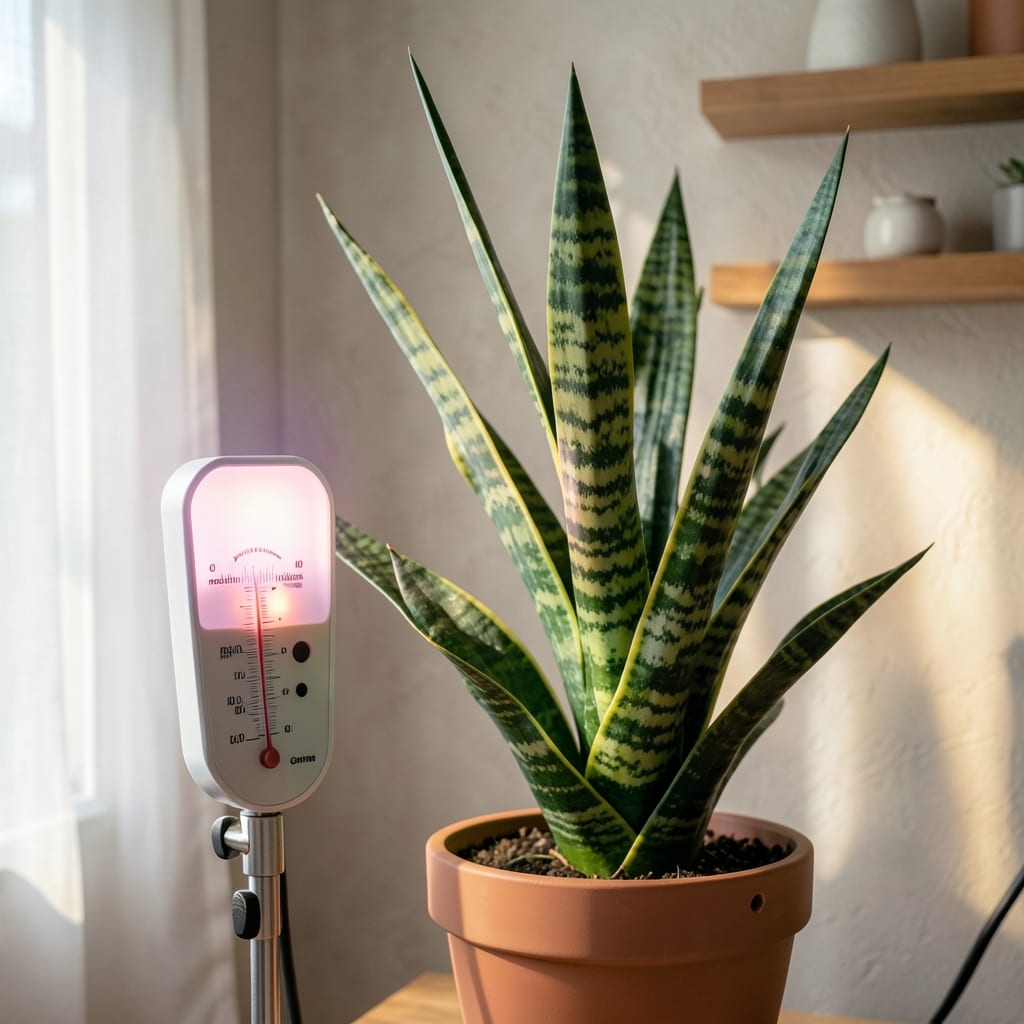
If you're wondering how much light does a rattlesnake plant need to stay healthy, the answer lies in striking the perfect balance—bright, indirect sunlight for about 3 to 4 hours daily. Too much direct sun? Instant leaf burn. Too little? Stunted growth. Let’s fix that.
Most people assume tropical plants like rattlesnake plants need lots of sun, but they’re actually shade-lovers in disguise. The secret lies in mimicking their natural understory habitat—think dappled light filtering through trees. A north or east-facing window is perfect, or place it a few feet back from a south-facing one to avoid harsh rays.
Here’s what happens when you get it right: vibrant, striped leaves that stand tall and proud. Get it wrong, and you’ll see the classic signs—brown edges, drooping, or even crispy patches. I’ll walk you through how to spot these clues and adjust your setup, whether you’re dealing with a low-light apartment or a sun-drenched conservatory.
Ready to turn your rattlesnake plant from struggling to stunning? Let’s dive into the exact light conditions it craves—and how to tweak your space to match them.


Optimal light requirements for rattlesnake plants: the 3-4 hour rule explained
Your rattlesnake plant (Calathea lancifolia) thrives on bright indirect light—think of it as a plant that loves morning sun but hates afternoon intensity. The 3-4 hour rule is your golden guideline: this is the sweet spot for peak growth without risking leaf burn. Too little light? Your plant will stretch awkwardly toward any available glow. Too much? Those stunning patterned leaves will develop crispy brown edges.
Indoor spaces often trick us into thinking "bright" means "direct sunlight." For rattlesnake plants, bright indirect light means placing them near an east-facing window where morning rays gently filter through. West-facing windows can work too, but only if you use a sheer curtain to diffuse the harsh afternoon sun. South-facing windows? Skip them entirely unless you’re willing to risk leaf scorch.
Outdoor gardeners can also grow rattlesnake plants, but they perform best in dappled shade—like under a tall tree where sunlight plays peekaboo through the leaves. Direct outdoor sun for more than 1-2 hours daily will stress the plant, causing those beautiful leaves to bleach or crisp. If you’re growing yours outside, a partially shaded patio or balcony is ideal.
Here’s how to spot perfect lighting for your rattlesnake plant: vibrant, deep green leaves with crisp, defined patterns and no yellowing. The plant should grow upright with leaves that unfurl fully. If you’re seeing drooping leaves or leaves curling under, it’s often a sign of too much direct light or inconsistent watering—both linked to poor light management.
| Light Condition | Duration | Leaf Appearance | Growth Response |
|---|---|---|---|
| Bright Indirect Light | 3-4 hours daily | Deep green, crisp patterns, no yellowing | Upright, healthy growth |
| Low Light | Less than 2 hours daily | Pale green, dull patterns, leggy stems | Slow growth, stretched leaves |
| Direct Sunlight | More than 2 hours daily | Brown crispy edges, bleached patches | Leaf burn, stunted growth |
If your rattlesnake plant is in a room with fluorescent lighting, you’re in luck—these plants tolerate artificial light well, especially if the bulbs are full-spectrum LEDs. Place the plant 6-12 inches away from the light source for best results. For deeper shade (like a north-facing window), supplement with a grow light for 4-6 hours daily to mimic natural conditions. I use a simple 15W LED grow bulb on a timer for my indoor rattlesnake plants in low-light offices.
Pro tip: Rotate your plant quarter-turn weekly to ensure even light exposure on all sides. This prevents one-sided growth where leaves lean toward the light source. I’ve seen rattlesnake plants develop crooked stems when left in one spot too long—so a little rotation goes a long way for keeping them balanced and bushy.
Watch for these tell-tale signs of light stress: brown tips on leaves (too much light), yellowing leaves (too little light), or leaves that curl tightly (a cry for humidity or better light balance). Adjust your plant’s position gradually—don’t move it from a dark corner to a sunny window overnight. Sudden changes shock the plant, even if the light is "better." Instead, shift it a few inches closer to the light source over 1-2 weeks.
Remember, rattlesnake plants are tropical understory plants in their natural habitat, meaning they’re used to dappled light filtering through taller trees. Mimic this environment at home, and you’ll reward yourself with a lush, thriving specimen that’s the star of any room. With the right light, your rattlesnake plant will grow 2-3 feet tall and develop those show-stopping patterns that make it so coveted.
How to adjust light for different seasons: winter vs. summer care
Seasonal changes dramatically affect your rattlesnake plant’s light needs, so adjusting its position and care routine is key to keeping it thriving year-round. In winter, shorter days and weaker sunlight can leave your plant craving extra light. Move it closer to a south-facing window or supplement with a grow light for 6-8 hours daily to mimic longer daylight. I’ve seen rattlesnake plants in winter struggle with leggy growth when light is insufficient—this happens when stems stretch toward any available light source.
For summer care, the challenge shifts to protecting your plant from intense afternoon sun. If your rattlesnake plant is outdoors, provide afternoon shade between 12 PM and 4 PM to prevent leaf burn. A sheer curtain or a light-colored shade cloth works wonders. Even indoors, a west-facing window can become too harsh in summer, so relocate your plant 2-3 feet back from the glass or use a thin curtain to diffuse the light.
- 🌡️ Winter Adjustments:
- Move plant closer to brightest window (south-facing)
- Use grow light for 6-8 hours if natural light is weak
- Check for leggy growth—rotate plant weekly to encourage bushiness
- ☀️ Summer Adjustments:
- Provide afternoon shade (12 PM–4 PM) for outdoor plants
- Relocate indoors 2-3 feet from west-facing windows
- Mist leaves daily to combat dry summer air
- 🌿 Year-Round Tips:
- Rotate plant quarter-turn weekly for even growth
- Wipe leaves monthly to remove dust blocking light
- Monitor soil moisture—dry air increases water needs in summer
Transition periods like spring and fall are ideal for assessing your rattlesnake plant’s light tolerance. If you notice new leaves emerging smaller or with duller patterns, it’s a sign the plant isn’t getting enough light. Gradually move it to a brighter spot over 5-7 days to avoid shocking the roots. I’ve found that east-facing windows are the most forgiving year-round, offering gentle morning light without the intensity of afternoon sun.
Artificial lighting can be a lifesaver in low-light spaces. A 15-20W LED grow bulb placed 12-18 inches above your rattlesnake plant provides enough light to supplement weak natural conditions. For best results, use a timer to simulate a 12-hour day cycle, turning the light on at 6 AM and off at 6 PM. This mimics natural daylight patterns and helps prevent the stretching that occurs when plants don’t get enough light.
Don’t forget to watch your plant’s signals—rattlesnake plants are excellent communicators! If leaves start curling tightly or developing brown spots, it’s often a sign of light stress. In winter, this might mean too little light, while in summer, it could indicate too much direct sun. Adjust accordingly, and your rattlesnake plant will reward you with lush, vibrant foliage year-round.
Pro tip: Keep a light journal for your rattlesnake plant. Note its location, the time of day it receives light, and how the leaves respond. Over time, you’ll develop an intuition for what works best in your specific space. My rattlesnake plant thrives in a north-facing office with a grow light—something I never would’ve guessed without tracking its progress!