
Light Requirements
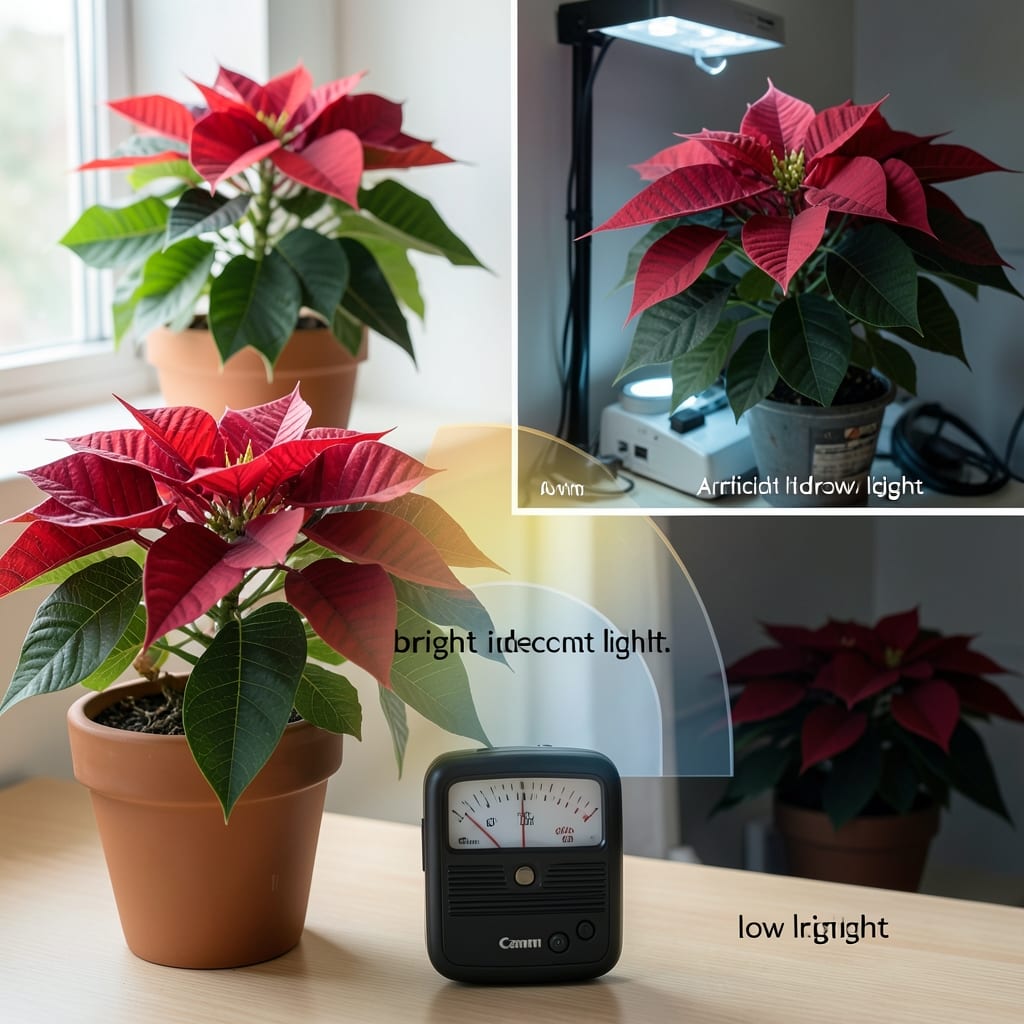
If you’ve ever wondered how much light does a poinsettia plant need to stay vibrant and healthy, you’re not alone—light is the secret ingredient most people get wrong. These festive plants don't just need any light; they crave the perfect balance of brightness and shade to thrive. Too little, and they'll grow leggy and weak; too much, and their leaves will scorch. Let's fix that with the exact light conditions your poinsettia needs to stay lush and colorful all season.
Most gardeners assume poinsettias love direct sunlight, but that's a common mistake that can ruin their holiday cheer. The key is bright indirect light, mimicking their natural understory habitat. Think of it like giving them a cozy spot near a window where they get plenty of light without harsh rays. This setup keeps their leaves rich and their blooms vibrant, ensuring they're ready to shine by December.
Whether you're a seasoned plant parent or a first-time poinsettia grower, understanding these light requirements makes all the difference. I'll walk you through how to spot the ideal light conditions in your home, adjust for seasonal changes, and even troubleshoot when things go wrong. By the end, you'll have a poinsettia that's not just surviving—but thriving—with the perfect amount of light.
Ready to transform your poinsettia from a struggling stem to a stunning centerpiece? Let's dive into the simple yet critical steps to get the lighting just right. Your plant—and your holiday decor—will thank you!


Ideal light requirements for poinsettia blooms: bright indirect sunlight explained
Poinsettias thrive under bright indirect sunlight, which mimics their natural understory habitat in Mexico. These plants need 6-8 hours of light daily but cannot handle harsh midday rays that cause leaf burn. Think of it like a sunbathing rule: plenty of light, but no direct sunburn.
Direct sunlight through south-facing windows can scorch your poinsettia's leaves, turning them yellow or crispy. Instead, position your plant 2-3 feet from an east or west-facing window where morning or afternoon sun gently illuminates the foliage. This balance prevents both light deprivation and sun damage.
During summer months, poinsettias may need afternoon shade protection if placed near windows. A sheer curtain can diffuse harsh light while maintaining brightness. In winter, when natural light dims, supplement with grow lights to maintain the 6-8 hour requirement.
Seasonal adjustments are key: summer light needs are slightly higher due to longer daylight, while winter light may require artificial support. Your goal is to keep leaves vibrant green without yellowing or stretching—signs of improper light.
🌱 Poinsettia Light Requirements Summary
| Requirement | Specification |
|---|---|
| Daily Light Hours | 6-8 hours |
| Light Type | Bright indirect |
| Best Window | East or west-facing |
| Distance from Window | 2-3 feet |
| Summer Adjustment | Afternoon shade |
| Winter Supplement | Grow lights |
Maintain consistent light exposure to prevent leggy growth and ensure vibrant blooms.
If you notice your poinsettia's stems stretching toward the light, it's a clear sign of light deficiency. This "etiolation" occurs when plants search for more light, resulting in weak, elongated stems. Rotate your plant quarter-turns weekly to ensure even growth and prevent this common issue.
For indoor growers, LED grow lights are ideal supplements. Place them 6-12 inches above the plant and run them for 12-14 hours daily to mimic natural daylight cycles. Avoid incandescent bulbs—they emit too much heat and can damage delicate poinsettia leaves.
Outdoor poinsettias (in warm climates) need partial shade during peak summer hours. A 50% shade cloth works wonders to filter intense sunlight while allowing sufficient brightness. Never expose them to full sun conditions, which will cause rapid wilting and leaf scorch.
Monitor your poinsettia's leaf color as the best indicator of proper lighting. Healthy leaves should remain deep green with no yellowing or browning. The colored bracts (the "flowers") will develop their signature red, pink, or white hues only when light conditions are just right.
Pro tip: Use a light meter (or phone app) to measure light levels. Aim for 1,000-2,000 foot-candles of brightness—this range perfectly suits poinsettias without causing stress. Most living rooms naturally fall within this range near east or west windows.
Signs your poinsettia isn't getting enough (or too much) light
Your poinsettia speaks volumes through its leaves—pay attention to these visual red flags that reveal light issues. Leggy stems and pale green leaves scream for more brightness, while brown leaf edges or yellowing signal sunburn. These symptoms aren't just cosmetic; they directly impact your plant's ability to produce vibrant bracts.
First, check for etiolation, where stems stretch unnaturally toward light sources. This happens when poinsettias receive insufficient light (less than 6 hours daily). The plant's natural response is to elongate in search of sunlight, creating weak stems that can't support the weight of colorful bracts. Rotate your plant weekly to encourage even growth if you notice this stretching.
On the opposite end, direct sunlight exposure causes leaf burn, visible as crispy brown patches on leaf edges. South-facing windows are the main culprits—even brief exposure to harsh midday rays can damage your poinsettia's delicate foliage. If you see these brown spots, immediately move your plant 2-3 feet away from the window or add a sheer curtain to diffuse the light.
⚠️ Light Stress Warning Signs
Too Little Light: Stretched stems, pale leaves, weak growth
Too Much Light: Brown leaf edges, crispy texture, yellowing
Perfect Light: Deep green leaves, compact growth, vibrant bracts
Act quickly to adjust light exposure when you notice these symptoms!
Another key indicator is leaf color changes. Healthy poinsettia leaves should maintain a rich green hue throughout their growth cycle. When light is insufficient, leaves turn yellowish-green or even purplish—a sign the plant is struggling to photosynthesize properly. In contrast, excessive light causes leaves to develop bronze or reddish-brown patches, particularly on exposed surfaces.
Don't overlook the growth pattern of your poinsettia's bracts—the colorful "flowers" that make these plants special. If you're not seeing vibrant color development by late fall, it's likely a light issue. Bracts need consistent brightness (6-8 hours daily) to develop their signature hues. Without proper light, they may remain green or pale, ruining your holiday display.
For immediate fixes, move your poinsettia to a brighter location if it's showing light deficiency signs. If you suspect sunburn, provide afternoon shade using a sheer curtain or move the plant to an east-facing window. Remember, poinsettias are understory plants by nature—they thrive in dappled sunlight, not harsh direct rays.
Pro tip: Use a reflective surface like a white wall or mirror to bounce light toward your plant. This simple trick can double the effective light exposure without moving the plant. Test different positions throughout the day to find the optimal balance that keeps leaves vibrant and stems strong.