
Light Requirements
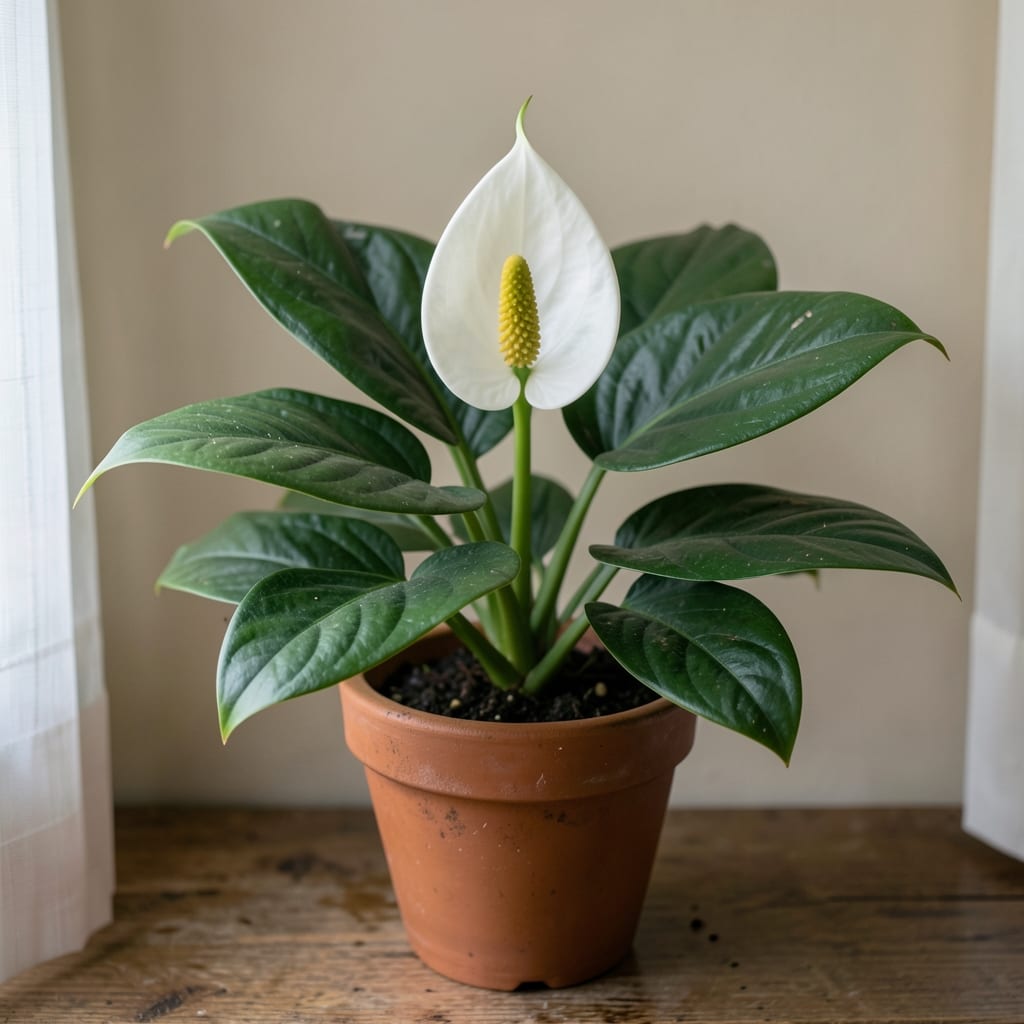
If you’re wondering how much light does a Peace Lily plant need to thrive, the answer might be simpler than you think—it’s all about bright, indirect sunlight. This elegant plant thrives in those conditions, but getting it wrong can turn your green thumb into a guess-and-check game.
I’ve watched my own Peace Lilies transform when placed just right—lush foliage and those signature white blooms appearing like clockwork. The key isn’t blasting them with harsh sun or hiding them in a dark corner. It’s finding that sweet spot where they get enough light to flourish without burning out.
What makes this tricky is that Peace Lilies are adaptable, but they’re not invincible. Too little light, and they’ll stretch toward the nearest source, looking leggy and weak. Too much direct sun, and those beautiful leaves can develop brown patches. Let me show you exactly how to strike the perfect balance for your plant’s happiness.
From identifying the ideal window to troubleshooting common light-related issues, you’ll learn how to give your Peace Lily the conditions it craves. Ready to turn those droopy leaves into thriving greenery?

Peace lily light requirements: ideal light conditions for healthy growth
If you’ve ever wondered, "How much light does a peace lily plant need?", the answer is simpler than you might think. These elegant houseplants thrive in bright, indirect sunlight—think of them as the perfect indoor companions for spaces with gentle, filtered light. Too much direct sun can scorch their leaves, while too little light leads to weak, leggy growth and fewer blooms. Let’s break down the ideal conditions to keep your peace lily (Spathiphyllum) flourishing.
Peace lilies are famously adaptable, making them ideal for homes with limited natural light. However, they still need at least 12-16 hours of indirect light daily to stay healthy. This means positioning them near a north-facing window or a few feet away from an east or west-facing window. South-facing windows can be too intense unless you place the plant at least 6 feet away to avoid harsh rays.
Here’s the golden rule: avoid direct sunlight at all costs. While peace lilies can tolerate lower light levels, they’ll grow best with moderate to bright indirect light. If you notice their leaves turning yellow or developing brown patches, it’s a clear sign they’re getting too much direct sun. On the flip side, if their leaves start drooping or the plant stretches toward the light, it’s time to move them to a brighter spot.
🌿
One of the best spots for a peace lily is near a north-facing window, where they receive soft, diffused light for most of the day. If your home lacks natural light, don’t worry—these plants can also thrive under artificial grow lights, which we’ll cover in more detail later. The key is consistency: peace lilies prefer stable light conditions over sudden changes, so avoid moving them frequently.
For those with south-facing windows, place your peace lily at least 6 feet away to prevent leaf burn. If you notice the leaves curling or developing white spots, it’s a sure sign they’re getting too much direct sunlight. A simple fix is to rotate the pot every few weeks so all sides of the plant receive even light exposure.
Another pro tip: dust the leaves regularly to ensure they can absorb light efficiently. Dust buildup blocks sunlight, which can weaken the plant over time. Use a damp microfiber cloth to gently wipe the leaves every 2-4 weeks, and watch your peace lily perk up with renewed vitality.
If you’re still unsure about your home’s lighting, observe your peace lily’s behavior. Healthy leaves should be deep green, glossy, and upright, while stunted growth or pale leaves indicate a need for more light. Conversely, yellowing or crispy edges mean it’s getting too much sun. Adjusting their placement is often all it takes to restore balance.
🌱
Peace lily light requirements: ideal light conditions for healthy growth
Your peace lily (Spathiphyllum) thrives in bright, indirect light—think of it as the perfect balance between too little and too much sun. Unlike sun-loving plants, peace lilies can burn if exposed to direct sunlight, especially during peak afternoon hours. Instead, aim for 12-16 hours of gentle, filtered light daily, like what you’d find near a north-facing window or under sheer curtains.
If your home lacks natural light, don’t worry—peace lilies are low-light tolerant, making them ideal for offices or dimly lit rooms. However, too little light slows growth and reduces blooming. The key is observation: watch for drooping leaves or stunted growth as red flags that your plant needs more light. A south-facing window can work, but place your peace lily 3-5 feet away to avoid harsh rays.
| Light Condition | Ideal Exposure | Plant Response |
|---|---|---|
| Bright Indirect Light | 12-16 hours/day (e.g., north window) | Healthy growth, vibrant leaves, frequent blooms |
| Low Light | <4 hours/day (e.g., office corner) | Slow growth, yellowing leaves, fewer blooms |
| Direct Sunlight | >2 hours/day (e.g., south window without filter) | Brown leaf tips, crispy edges, leaf burn |
Adjust placement seasonally—summer sun is stronger!
For indoor gardeners, rotate your peace lily quarter-turns weekly to ensure even light exposure. This prevents one-sided growth and keeps those glossy leaves symmetrical. If you notice pale or leggy stems, it’s a sign your plant is stretching for more light—time to move it closer to a brighter spot or supplement with grow lights. Pro tip: East-facing windows offer soft morning light, perfect for peace lilies.
Outdoor enthusiasts can place peace lilies in partial shade during summer, but bring them inside before temperatures drop below 50°F (10°C). These tropical plants hate drafts and cold snaps, so a sunroom or patio with afternoon shade is ideal. Always acclimate your plant gradually to outdoor conditions to avoid shock. A slow transition over 1-2 weeks mimics natural light changes and keeps your peace lily thriving.
Remember, consistency is key. Peace lilies adapt slowly to light changes, so sudden moves can stress them. If you’re unsure about your space, test with a light meter (or the "shadow test"—hold your hand near the plant; if your shadow is sharper than the plant’s, it’s getting too much direct light). With the right balance, your peace lily will reward you with lush foliage and stunning white blooms all year round.
🌿