
Companion Plants
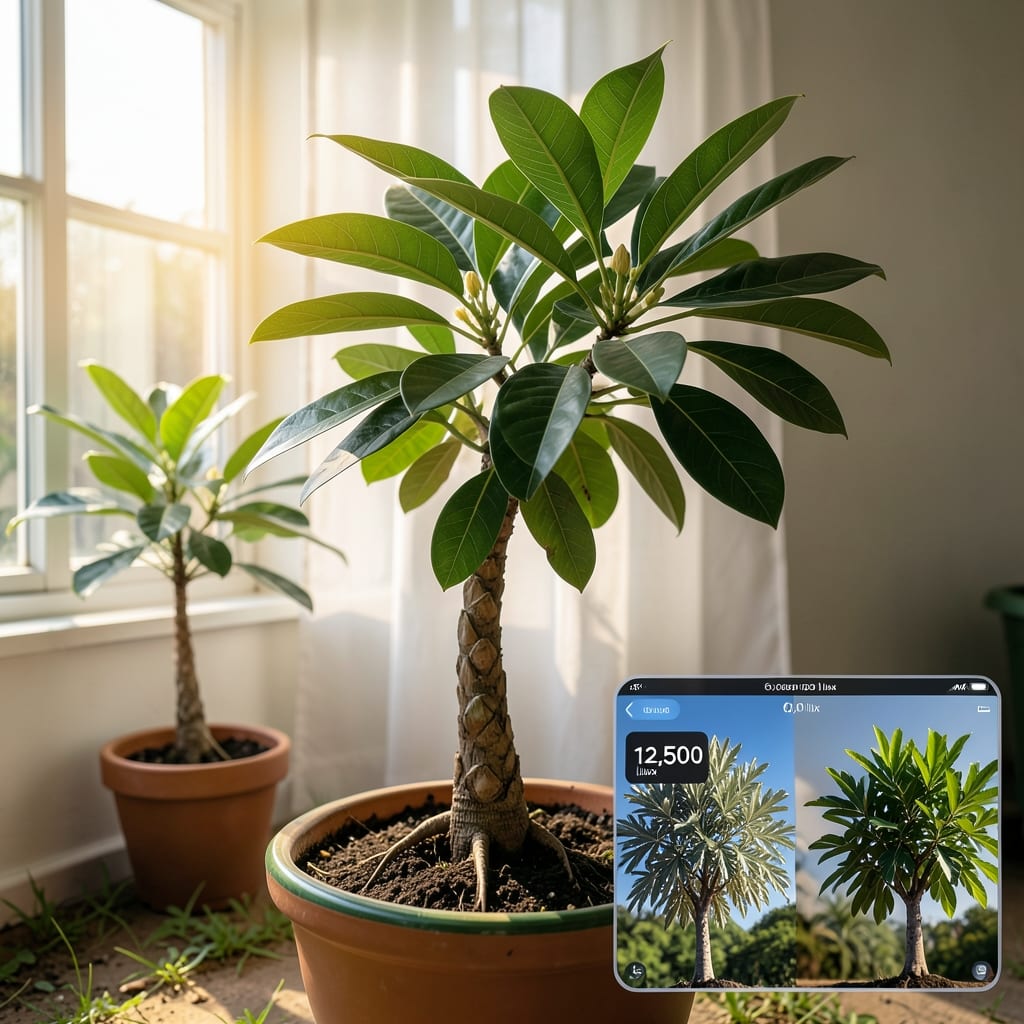
If your money tree 🌿 plant isn’t thriving—think droopy leaves or sparse growth—how much light does a money tree plant need might be the missing piece of the puzzle. The right amount of light isn’t just about keeping it alive; it’s the key to unlocking that vibrant, lush foliage everyone loves.
Money trees thrive in bright indirect sunlight, but too much direct sun can scorch those delicate leaves, while too little light leaves them stretching awkwardly toward any available glow. Finding that perfect balance is easier than you think, and it starts with understanding your home’s natural light patterns.
Whether you’re dealing with a dim corner or a sunny spot that’s too intense, I’ll show you exactly how to adjust lighting for your plant’s needs—indoors or out. You’ll learn to spot the signs of over- or under-exposure and make simple tweaks that make a world of difference.
Ready to give your money tree the ideal lighting it deserves? Let’s dive into the secrets that’ll have it looking fuller and healthier in no time.


Ideal light requirements for a healthy money tree plant
A money tree plant 🌿 thrives in bright indirect sunlight, which mimics its natural tropical habitat. This means placing it near a window where it gets 4-6 hours of filtered light daily—think morning sun or dappled shade. Direct sunlight can scorch those glossy leaves, while too little light causes them to stretch and lose their vibrant green color.
Your goal is to find the sweet spot between low-light tolerance and optimal growth conditions. Money trees can survive in low-light conditions (like a north-facing window), but they’ll grow slowly and look leggy. For the healthiest, bushiest plant, aim for medium to bright indirect light—similar to what you’d find under a canopy of trees in its native tropical forests.
Here’s how to identify the perfect spot: Place your money tree 2-3 feet away from an east- or north-facing window. If the light feels too harsh (like a south-facing window), move it back or use a sheer curtain to diffuse the intensity. Watch for signs like brown leaf tips (too much sun) or yellowing leaves (too little light).
The best windows for a money tree are east-facing, as they provide gentle morning sunlight without the intense heat of midday. North-facing windows work too, especially in cooler climates. Avoid west- or south-facing windows unless you’re using sheer curtains or a sheer screen to filter the light.
Seasonal changes can also affect your money tree’s light needs. During winter months, when natural light is weaker, you might notice slower growth. This is normal, but if leaves start stretching excessively, consider supplementing with a grow light for 6-8 hours a day to maintain its health.
Outdoor placement requires extra caution. If you’re growing your money tree outside in USDA Zone 6 or warmer, keep it in partial shade—especially during the hottest part of the day. A covered patio or balcony with morning sun and afternoon shade is ideal. Never leave it in direct midday sun, as this can cause irreversible damage.
| Light Requirement | Specification | Signs of Issue |
|---|---|---|
| Bright Indirect Light | 4-6 hours daily, east/north window | Healthy green leaves, compact growth |
| Low Light | North window, artificial light | Leggy growth, pale leaves |
| Direct Sunlight | South/west window, no filter | Brown leaf tips, crispy edges |
| Seasonal Adjustments | Winter: supplement with grow light | Slow growth, yellowing leaves |
If you’re unsure whether your money tree is getting enough light, perform a simple leaf check. Healthy leaves should be deep green and glossy with no visible streaks or spots. If you notice yellowing between the veins, it’s a classic sign of low light. Conversely, brown or crispy patches mean it’s getting too much direct sun.
Pro tip: Rotate your money tree quarter-turn every 2-3 weeks to ensure even growth. Plants naturally lean toward light sources, so this keeps them balanced and bushy. Pair this with regular misting (or a humidifier) to mimic tropical conditions, and you’ll see a noticeable difference in its vitality within weeks.
Remember, the key to a thriving money tree is consistency. Whether you’re adjusting for a dim corner or a sunny windowsill, small tweaks in lighting can make a huge difference in how your plant looks and feels. With the right balance, your money tree will reward you with lush, vibrant foliage for years to come.
How to adjust light conditions for maximum money tree growth
Not every home has perfect natural lighting, but that doesn’t mean your money tree 🌿 has to suffer. If your space lacks bright indirect light, don’t worry—there are simple solutions to create the ideal growing conditions. Start with a grow light, which can mimic sunlight perfectly. A LED grow light with a 6400K color temperature (cool white) works best, placed about 12-18 inches above your plant for 12-14 hours daily.
For homes with dim corners, try positioning your money tree near a reflective surface, like a white wall or mirror. This bounces extra light toward the plant, maximizing what little natural light is available. Another trick? Group your money tree with other light-loving plants—they’ll collectively create a microclimate that benefits everyone.
If your money tree starts showing signs of light deprivation, like stretched stems or pale leaves, act fast. Move it closer to a window or supplement with artificial light immediately. Ignoring these signs can lead to weak, leggy growth that’s hard to recover from. Think of it like giving your plant a light boost—small adjustments can make a world of difference.
Placing your money tree in direct sunlight (especially from south/west windows) can cause leaf burn. Even with sheer curtains, monitor for brown patches—if they appear, move the plant back immediately. Overwatering in bright light also stresses the plant, so reduce watering frequency if you notice crispy edges.
Seasonal changes can throw off your money tree’s light balance. During winter months, when days are shorter, extend light exposure with a timer-controlled grow light. This ensures your plant gets the consistent 4-6 hours it needs daily. In summer, if your money tree is outdoors, watch for afternoon shade—midday sun can be too intense even in partial shade.
Pro tip: Rotate your money tree every 2-3 weeks to prevent it from leaning toward light sources. This keeps its growth even and balanced. Pair this with regular pruning to encourage bushier foliage. Trim leggy stems just above a leaf node, and you’ll see a fuller, healthier plant in no time.
Remember, the goal is consistency. Whether you’re using natural light, grow lights, or a mix of both, keep conditions stable. Your money tree will thank you with glossy, vibrant leaves and strong, upright growth—proof that even tricky lighting can work in your favor.