
Light Requirements
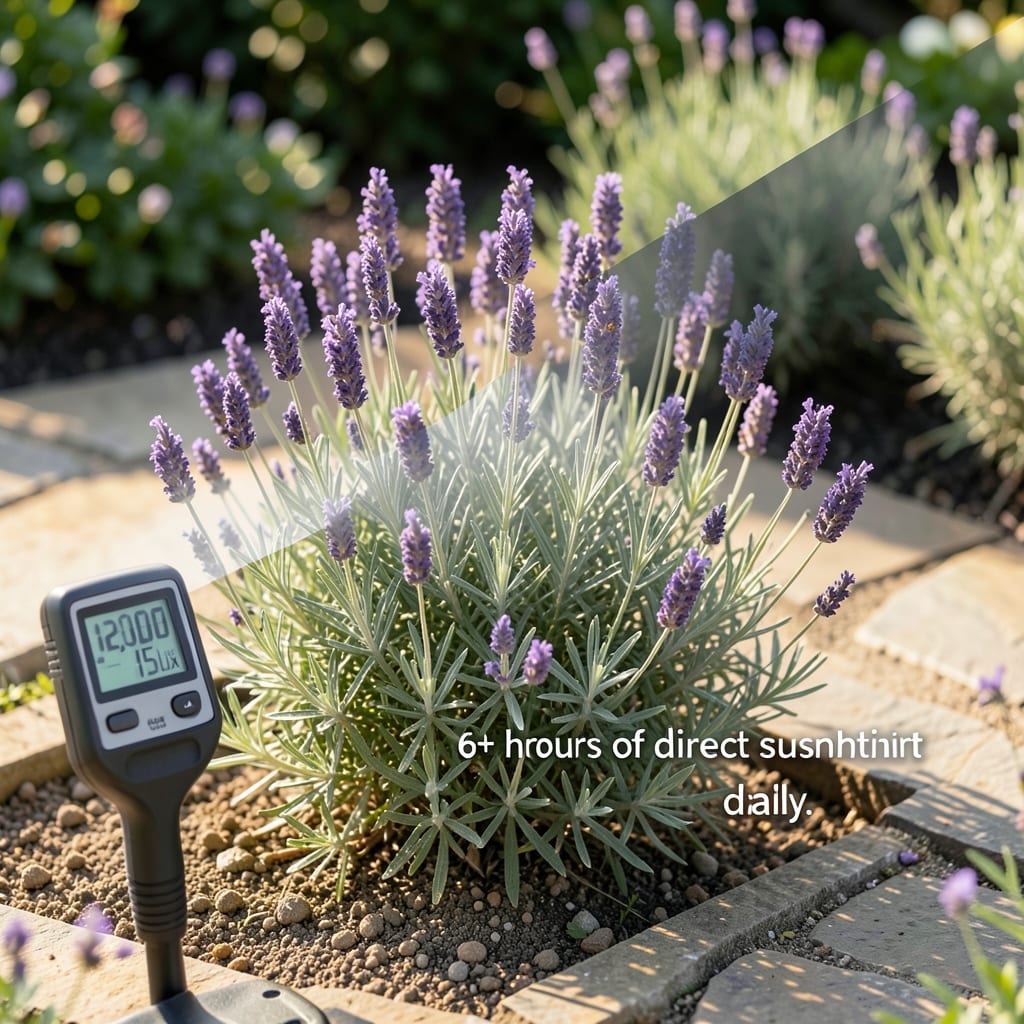
How much light does a lavender plant need to transform from a struggling underperformer into a fragrant, vibrant powerhouse? If you’ve ever watched your 🌿 lavender stretch toward the sky with weak stems or produce sparse blooms, you’re not alone—most gardeners miss the mark on sunlight exposure. Lavender isn’t just another herb; it’s a sun-worshipper that demands 6 to 8 hours of direct light daily to thrive in USDA Zone 6a and beyond.
The key to lush lavender lies in understanding its light hunger. While it can tolerate partial shade, especially in hot climates, anything less than full sun will weaken its growth and reduce those signature purple blooms. I’ve seen firsthand how even a few hours less sunlight can turn a thriving plant into a leggy shadow of its former self. But here’s the good news: with the right placement and care, you can give your lavender the perfect light conditions it craves.
Whether you’re planting in spring or troubleshooting a struggling container, this guide will show you exactly how to meet lavender’s sunlight needs—from measuring light exposure to adjusting for regional differences. Let’s dive into the secrets of keeping your lavender healthy, fragrant, and blooming all season long.
Ready to turn your lavender from wilting to wonderful? The solution starts with sunlight—and I’ll walk you through every step to get it right.


Optimal sunlight hours for lavender growth: the exact range to prevent wilting
Lavender isn’t just another herb—it’s a sun-loving powerhouse that demands 6 to 8 hours of direct sunlight daily to reach its full potential. Without enough light, your 🌿 lavender will stretch toward the sky, producing weak stems and sparse blooms. Think of it like a sunbathing addict: cut its exposure, and you’ll see the consequences fast.
The exact sunlight range varies slightly by lavender variety, but all types thrive best with full sun exposure. English lavender (Lavandula angustifolia) is the most adaptable, while French (Lavandula stoechas) and Spanish (Lavandula dentata) types demand even more light to prevent leggy growth. In my Zone 6a garden, I’ve found that 7 hours of direct sun is the sweet spot for consistent blooming.
Here’s the critical threshold: Less than 5 hours of sunlight will stunt growth, while more than 9 hours in extreme heat can scorch leaves. The key is finding that balance—especially in hot climates where afternoon shade can be a lifesaver. I’ve learned this the hard way after watching my lavender wilt under 10+ hours of summer sun in USDA Zone 7.
To measure sunlight accurately, use a sunlight tracker app or place a white board near your lavender for a week. Mark the hours of direct light it receives—this will tell you exactly how close you are to the 6–8 hour ideal. Pro tip: South-facing windows or garden spots get the most sunlight, but east or west exposures can work too if you adjust placement seasonally.
Seasonal adjustments are key. In spring and fall, lavender can handle 5–6 hours of sun as days lengthen or shorten. But during summer’s peak, even partial shade in the afternoon can help prevent stress. I’ve seen lavender in containers thrive on a patio with morning sun and afternoon shade, while in-ground plants need full exposure year-round.
Now, let’s break down the sunlight needs by lavender type so you can tailor your care to your specific variety. Understanding these differences will help you avoid common mistakes that lead to weak, underperforming plants.
| Variety | Ideal Sunlight | Minimum Tolerable | Seasonal Notes |
|---|---|---|---|
| English Lavender (L. angustifolia) | 6–8 hours | 5 hours (partial shade) | Adapts to partial shade in summer |
| French Lavender (L. stoechas) | 8+ hours | 6 hours (weak growth) | Needs full sun; prone to legginess |
| Spanish Lavender (L. dentata) | 7–9 hours | 5 hours (sparse blooms) | Tolerates heat better than others |
| Grosso Lavender (L. x intermedia) | 6–8 hours | 5 hours (smaller plants) | Best for cooler climates |
🌱 Pro Tip: Use reflective surfaces like white gravel or light-colored mulch to bounce extra light onto lavender in shadier spots.
If you’re growing lavender in containers, sunlight needs remain the same, but mobility gives you an advantage. Rotate pots every few weeks to ensure even light exposure on all sides. I’ve seen lavender in 12-inch pots thrive on a balcony with morning sun and afternoon shade, while in-ground plants need full exposure to prevent weak stems.
One of the biggest mistakes I’ve seen is assuming partial shade will work for all lavender types. While English lavender can tolerate 3–4 hours of afternoon shade, French and Spanish varieties will leg out dramatically if deprived of full sun. The result? Fewer blooms and a plant that looks more like a weed than a fragrant beauty.
To maximize blooms, aim for 6–8 hours of direct sunlight and watch your lavender transform. In my experience, the first sign of improvement is thicker, sturdier stems within just a few weeks of proper light exposure. And when those purple blooms start appearing in June and July, you’ll know you’ve got it right.
Ready to troubleshoot? If your lavender is already showing signs of light deprivation—like yellowing leaves or sparse blooms—the next section will help you diagnose and fix the issue before it’s too late. Let’s dive into the warning signs and how to revive your plant.
Optimal sunlight hours for lavender growth: the exact range to prevent wilting
Lavender plants are sun-hungry and require 6 to 8 hours of direct sunlight daily to thrive. This isn’t just a suggestion—it’s a biological necessity for their growth, fragrance, and blooming potential. When lavender doesn’t get enough light, it becomes leggy and produces fewer flowers, which is why understanding this range is critical for any gardener.
Not all lavender varieties have the same sunlight needs, though. English lavender and French lavender are the most sun-dependent, while Spanish lavender can tolerate slightly less light. Even then, anything below 6 hours of sunlight will stress the plant, leading to weak stems and poor fragrance. The key is providing consistent, bright light throughout the day.
Here’s how to measure sunlight exposure accurately: Use a sunlight tracker or observe your garden space for a full day. Note the hours of direct sunlight your lavender receives. If it’s less than 6 hours, you’ll need to adjust placement or supplement with grow lights, especially in containers or shaded areas.
| Lavender Variety | Ideal Sunlight Hours | Seasonal Adjustments |
|---|---|---|
| English Lavender | 6–8 hours | Increase to 8+ hours in summer |
| French Lavender | 6–8 hours | Tolerates 5 hours in winter |
| Spanish Lavender | 5–7 hours | Can handle partial shade |
Seasonal changes also play a role. In summer months, lavender can handle up to 10 hours of sunlight, especially in cooler climates like USDA Zone 6a. However, in hotter regions, afternoon shade can prevent heat stress. Conversely, in winter, lavender may need slightly less light, but never drop below 4 hours to avoid stunted growth.
If you’re growing lavender in containers, place them in the sunniest spot available, like a south-facing patio or balcony. Rotate containers weekly to ensure even sunlight exposure. For indoor lavender, position it near a south-facing window where it can receive at least 6 hours of direct light. Without this, indoor lavender will struggle to bloom and may develop weak, elongated stems.
Remember, lavender’s love for sunlight is non-negotiable. When you meet its light requirements, you’ll be rewarded with fragrant blooms, lush foliage, and a plant that thrives for years. The effort is worth it—your lavender will thank you with vibrant purple spikes and a heavenly scent.