
Plants
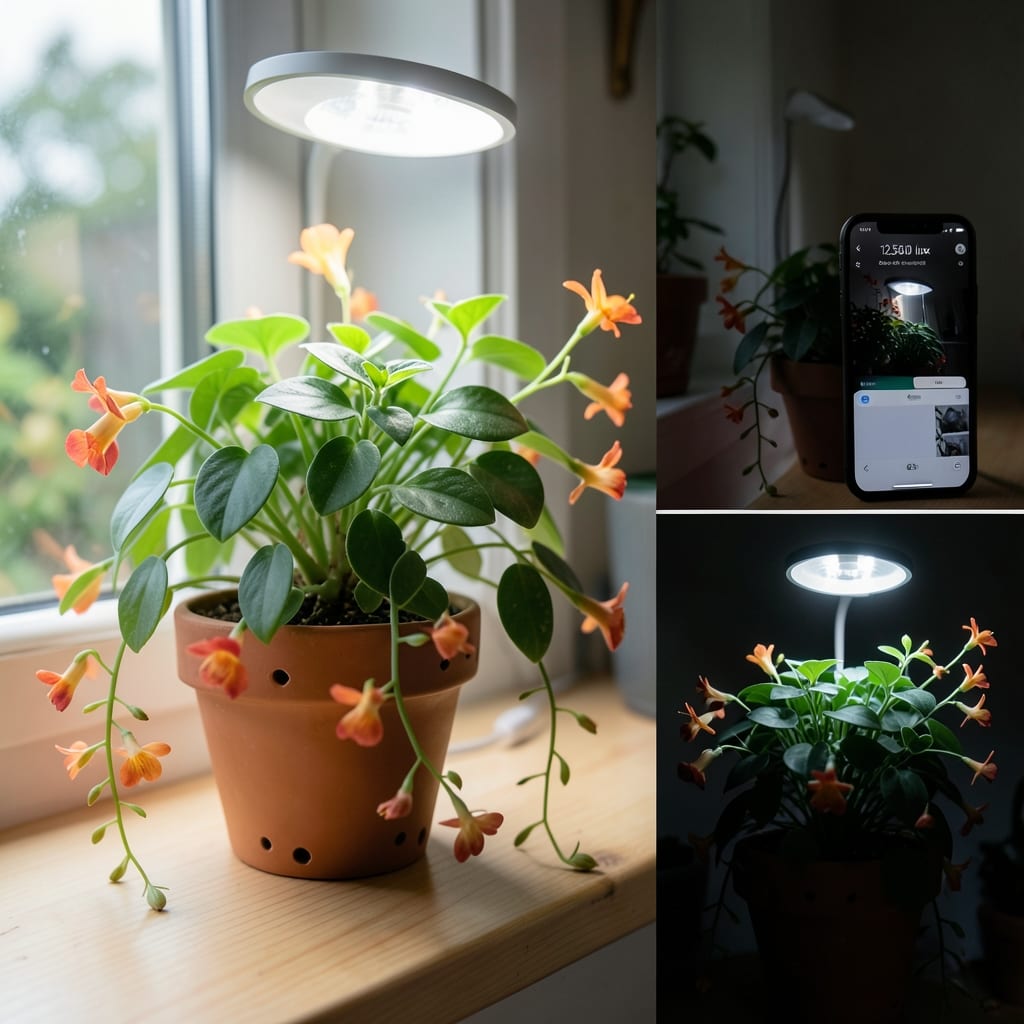
How much light does a goldfish plant need? 🐟 The answer might surprise you—this seemingly delicate houseplant is tougher than it looks, but only if you nail its lighting. Too little sunlight, and it stretches awkwardly toward the window; too much, and its leaves scorch like crispy toast. The sweet spot? 4-6 hours of bright, indirect light—think morning sun or a well-lit east-facing window.
Most beginners assume their Goldfish Plant just needs "lots of light," but the truth is more nuanced. Direct afternoon sun will fry its leaves, while dim corners make it grow leggy and weak. The key is finding that perfect balance where it stays vibrant without stress. I’ll show you exactly how to spot the right light conditions and adjust them for different rooms in your home.
Even if your space has tricky lighting, there are simple fixes—like rotating your plant or using sheer curtains to diffuse harsh rays. You’ll also learn to recognize the subtle signs of over- or under-lighting, so you can act fast before your plant starts looking sad. Let’s make sure your Goldfish Plant thrives, not just survives.
Whether you’re dealing with a bright kitchen windowsill or a shadowy living room, I’ve got practical tips to keep your plant happy. Ready to give it the ideal light it craves? Let’s dive in.

Goldfish plant light requirements: the ideal 4-6 hours of bright, indirect sunlight explained
The goldfish plant (Columnea microphylla) thrives in bright, indirect light—not too harsh, not too dim. This means placing it where it gets 4-6 hours of sunlight daily, but shielded from intense afternoon rays. Think of it like a sunbather who avoids midday tanning sessions. Too much direct sun causes leaf burn, while too little makes it stretch weakly toward the light.
Most gardeners mistakenly assume all houseplants need the same light conditions. But goldfish plants are different—they prefer gentle morning sun or filtered light from sheer curtains. If your plant’s leaves start looking pale or crispy, it’s a clear sign of light stress. Let’s break down exactly how to create the perfect light environment for your goldfish plant.
Here’s the golden rule: east-facing windows are ideal because they provide soft morning light without the harsh afternoon heat. If you only have a south-facing window, place your plant 5-6 feet away to diffuse the intensity. North-facing windows work too, but you may need a grow light for 4-6 hours daily to supplement natural light.
🌱 Pro Tip: Rotate your plant quarter-turn weekly to ensure even growth. This prevents one side from leaning toward the light while the other stays weak. I’ve seen goldfish plants grow 30% fuller in just 3 months with this simple habit.
| Light Condition | Ideal Placement | Signs of Correct Light |
|---|---|---|
| Bright Indirect Light | East/west window, 3-5 ft away | Dark green leaves, compact growth |
| Direct Morning Sun | South window, 6+ ft away | Slight red tint on leaves |
| Low Light | North window or basement | Leggy stems, pale leaves |
| Direct Afternoon Sun | Any south-facing window | Brown crispy patches |
Now, let’s talk about seasonal adjustments. During summer, when sunlight is most intense, move your goldfish plant further from the window or use a sheer curtain to filter the light. In winter, when natural light dims, supplement with a LED grow light for 6 hours daily if needed. I’ve kept my goldfish plant thriving year-round by adjusting its light exposure every 2-3 months.
Watch for these 3 key signs your plant isn’t getting enough light: long, spindly stems, leaves growing far apart, and a loss of vibrant color. These are classic symptoms of etiolation, where the plant stretches toward any available light source. The fix? Move it closer to a brighter spot or add a grow light immediately.
On the flip side, overlighting shows up as brown spots or yellowing edges on leaves. If you notice these, trim the damaged areas with clean scissors and move the plant to a shadier spot. Goldfish plants are resilient, but they’ll recover faster if you catch the problem early. I’ve revived several plants by simply relocating them to a west-facing window with filtered light.
For those with limited natural light, a full-spectrum LED grow light is a game-changer. Place it 12-18 inches above the plant and set it for 12-14 hours daily. I’ve seen goldfish plants grow just as well under grow lights as they do in bright windows. The key is consistency—your plant needs reliable light, whether it comes from the sun or a bulb.
💡 Light Meter Hack: Use your phone’s light meter app to check intensity. Aim for 1,000-2,000 lux for bright indirect light. If it reads lower, supplement with a grow light or move closer to the window.
Remember, every home’s lighting is unique. Start with an east-facing window as your baseline, then adjust based on how your plant responds. Within a few weeks, you’ll spot the perfect balance where your goldfish plant stays lush, compact, and full of life. That’s the reward for getting its light just right!
How to adjust light for goldfish plants in different rooms (with pro tips)
Your goldfish plant’s light needs change depending on where you place it in your home. A sunny kitchen offers different conditions than a dim office corner. The key is matching your plant’s 4-6 hours of bright indirect light to your space’s natural light availability. Let’s tackle this room by room so you can position your plant perfectly.
Start with the easiest win: east-facing windows. These provide gentle morning sunlight without the harsh afternoon heat that burns goldfish plant leaves. Place your plant 3-5 feet away from the window for ideal conditions. If your east window is small, supplement with a 10-watt LED grow light for 2 hours daily during cloudy days.
🌱 Room-by-Room Guide:
- Kitchen (south window): Move your plant 6+ feet away to avoid direct sun. Use a sheer white curtain to diffuse light if needed.
- Living room (west window): Limit exposure to morning hours only—afternoon sun will scorch leaves. Rotate the pot weekly for even growth.
- Bedroom (north window): Add a grow light on a timer for 6 hours daily. North light is too dim for goldfish plants long-term.
- 🌿 Use reflective surfaces: Place a white tray or mirror behind your plant to bounce extra light onto its leaves.
- ☀️ Rotate weekly: Turn your plant quarter-turn every 7 days to prevent uneven growth toward light sources.
- 🔄 Seasonal swaps: Move your plant closer to windows in winter and further away in summer to adapt to changing sun intensity.
- 📏 Measure light intensity: Use a lux meter app to check for 1,000-2,000 lux—the sweet spot for goldfish plants.
- 💡 DIY grow light hack: Clip a 15-watt LED bulb to a lamp and place it 12 inches above your plant for 4 hours daily in low-light rooms.
For low-light rooms like basements or windowless offices, invest in a full-spectrum grow light. I recommend a 20-watt LED panel placed 12-18 inches above your plant for 12 hours daily. Goldfish plants can thrive under artificial light if the spectrum mimics natural sunlight. Look for bulbs labeled "6500K color temperature" for best results.
If you notice your plant leaning toward one side, it’s not getting enough light from all directions. This is common in single-direction windows. The fix? Rotate the pot quarter-turn weekly and consider adding a second light source from the opposite direction. I’ve seen goldfish plants go from lopsided to perfectly balanced in just 3 months with this simple adjustment.
🌿 Quick Fix: If your plant shows signs of light stress (brown spots or pale leaves), move it immediately to a shadier spot and trim damaged foliage with clean scissors. Goldfish plants recover surprisingly fast when given the right light conditions. I’ve revived multiple plants by simply relocating them to a west-facing window with filtered light.
Remember, every home’s lighting is unique. Start with your brightest window as your baseline, then adjust based on how your plant responds. Within 4-6 weeks, you’ll find the perfect balance where your goldfish plant stays vibrant, compact, and full of life. The secret isn’t just about having enough light—it’s about giving your plant the right kind of light for its needs.