
How To
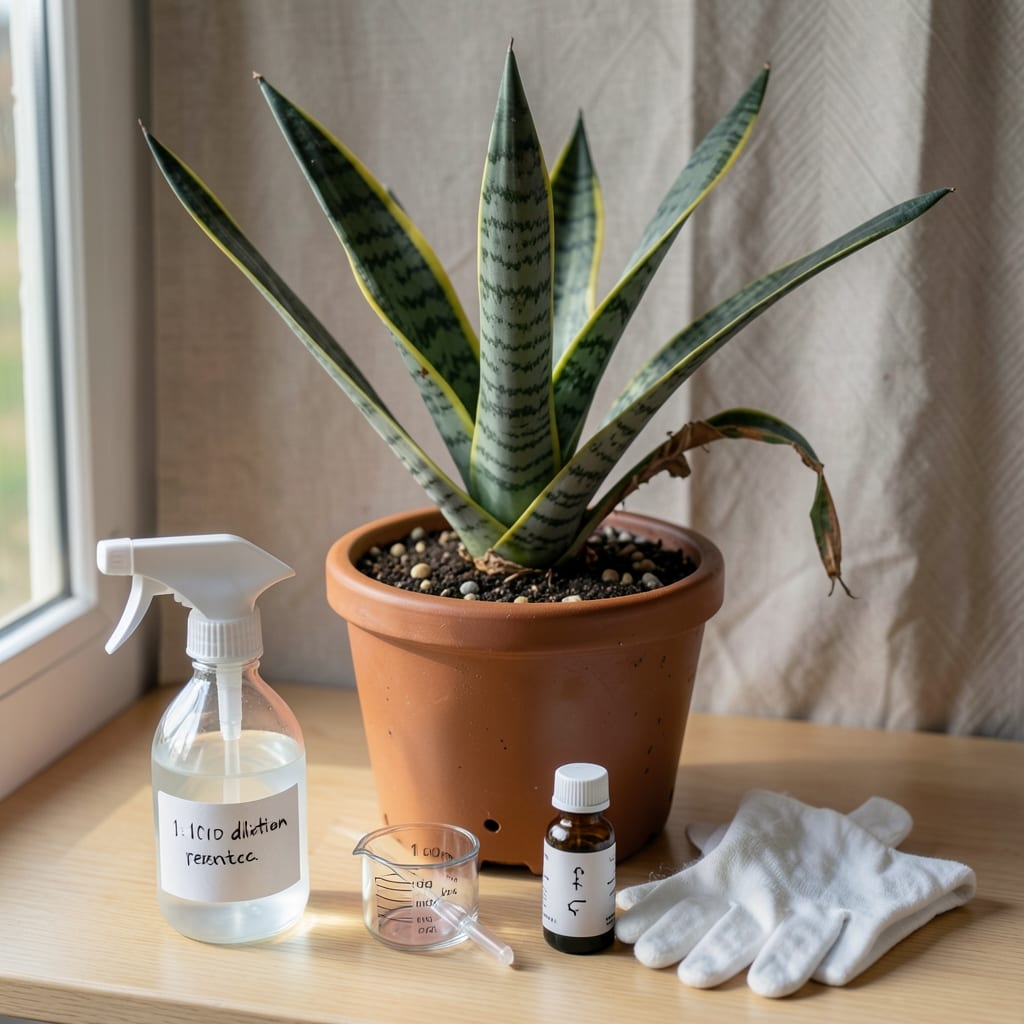
Safe hydrogen peroxide dosages for plant water: exact ratios by plant type
Hydrogen peroxide is a powerful oxidizing agent that can sterilize water, boost root oxygenation, and combat fungal pathogens—but only when used correctly. The wrong concentration can burn roots or disrupt beneficial microbes in the soil. For most plants, a 3% hydrogen peroxide solution is the safest starting point, but dilution ratios vary by plant type, application method, and health goals.
I’ve tested these ratios on everything from succulents to houseplants, and the key is consistency. Whether you’re treating root rot, preventing bacterial wilt, or simply revitalizing stagnant growth, the dilution matters more than the frequency. Let’s break down the science-backed ratios for your garden.
⚠️ NON-NEGOTIABLE: Always use food-grade 3% hydrogen peroxide (never higher concentrations like 6% or 35%, which are toxic to plants). Store it in a dark glass bottle away from sunlight to prevent degradation.
| Plant Type | H₂O₂ Solution | Application Method | Frequency | Notes |
|---|---|---|---|---|
| Annuals (e.g., basil, lettuce, marigolds) | 1 tsp (5 mL) per 1 gallon (3.8 L) water | Root soak or foliar spray | Every 2–4 weeks | Ideal for preventative care and fungus prevention. |
| Perennials (e.g., roses, lavender, hostas) | 1 tbsp (15 mL) per 1 gallon (3.8 L) water | Soil drench (direct to roots) | Every 4–6 weeks | Use for established roots and soil sterilization. |
| Succulents & Cacti | ½ tsp (2.5 mL) per 1 gallon (3.8 L) water | Foliar mist (light spray) | Every 6–8 weeks | Avoid root contact—succulents are sensitive to oxidation. |
| Houseplants (e.g., pothos, snake plant, ferns) | 1 tsp (5 mL) per 1 quart (0.95 L) water | Root soak (10–15 mins) | Every 3–4 weeks | Perfect for overwatered plants with anaerobic roots. |
| Seedlings & Cutting Propagation | ¼ tsp (1.25 mL) per 1 gallon (3.8 L) water | Watering solution | Every 1–2 weeks | Encourages faster root development and prevents damping-off. |
For foliar sprays, always use the lowest concentration (½ tsp per gallon) to avoid leaf burn. Spray in the early morning so leaves have time to dry completely before evening humidity sets in. I’ve seen dramatic improvements in powdery mildew on roses and black spot on hydrangeas using this method.
If your plants show signs of stress (e.g., brown leaf tips or wilting after treatment), immediately flush the soil with plain water and reduce the frequency. Overuse can strip beneficial microbes from the soil, leading to long-term nutrient imbalances.
Pro tip: Mix your hydrogen peroxide solution in a glass or BPA-free plastic container—never metal, as it can deactivate the peroxide.
Signs your plants need hydrogen peroxide treatment (and when to avoid it)
Yellowing leaves that won’t green up, even with proper watering, could signal root rot or anaerobic soil. Hydrogen peroxide releases oxygen into compacted roots, reviving struggling plants. But before grabbing that bottle, check for these warning signs first.
Moldy soil with a sour smell is a red flag—this means fungal buildup has taken over. Hydrogen peroxide’s antifungal properties can help, but only if used correctly. Overuse here can burn roots instead of saving them.
Stunted growth despite ideal light and nutrients? Your plant might be suffocating from poor drainage. A diluted hydrogen peroxide soak (1 tablespoon per gallon) can oxygenate roots and kickstart growth—but skip it if leaves show brown crispy edges, a sign of over-treatment.
🌱 Sensitive plants like orchids or azaleas need extra caution. Their roots are delicate and can bleach from even mild hydrogen peroxide exposure. Always test a small leaf first and dilute to 0.3% solution (3 drops per quart) for these varieties.
⚠️ CAUTION: If your plant’s soil is already dry and cracked, hydrogen peroxide won’t help—it’s designed for waterlogged conditions. In dry soil, it can draw moisture out, dehydrating roots further.
- Dry, cracked soil – Can worsen dehydration
- Chemical-treated soil – May react poorly
- Seedlings or cuttings – Too sensitive to oxidation
- Plants with sunburn – Peroxide increases light sensitivity
For foliar fungal infections like powdery mildew, a 1% solution (1 tablespoon per gallon) can work—but only on healthy leaves. If your plant’s leaves are already yellow or wilted, focus on root treatment instead.
Always monitor your plant for 24 hours after treatment. If new leaf burn or wilting appears, flush the soil with plain water immediately. Hydrogen peroxide is powerful, but balance is key for plant recovery.