
How To
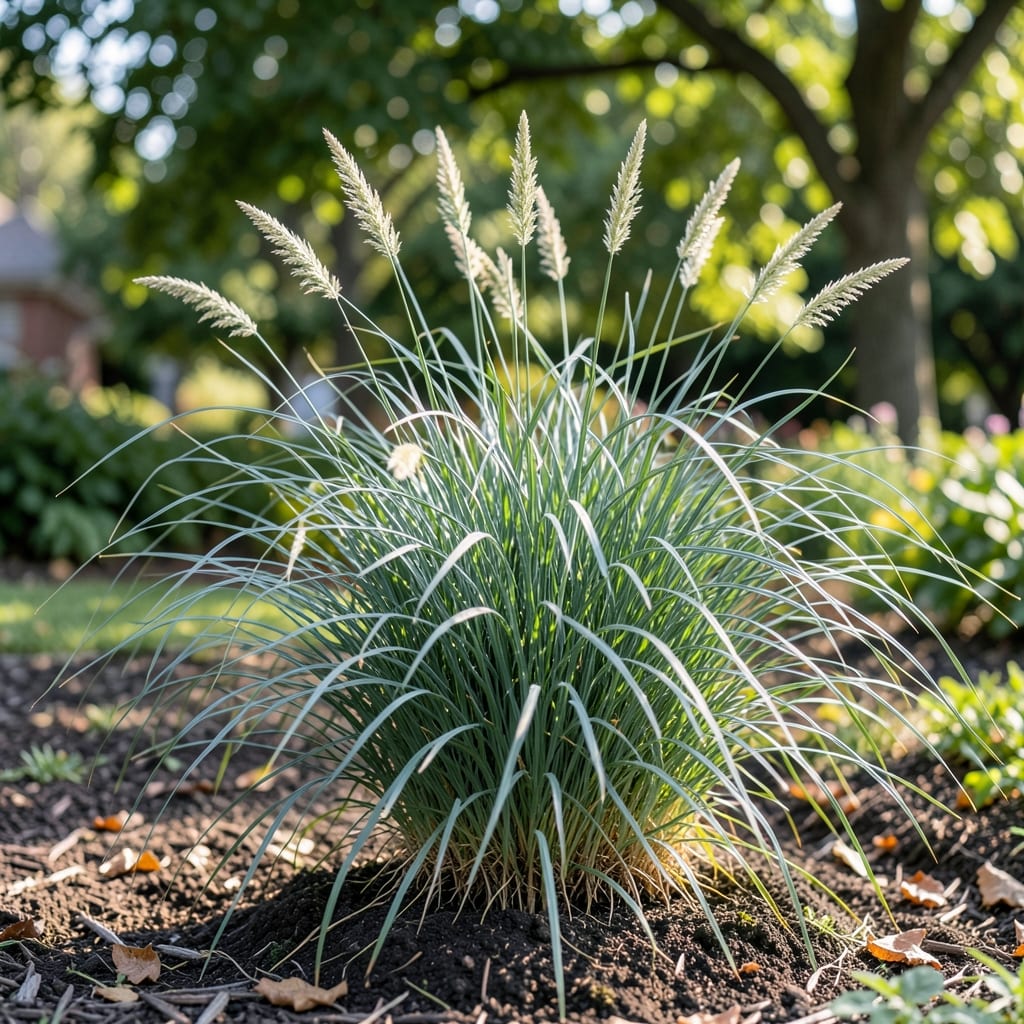
If you're wondering how long for tall fescue to grow, the answer might surprise you—this hardy grass isn't a sprint, but a marathon. From the first tiny sprouts to that lush, green carpet you're dreaming of, tall fescue 🌱 takes its time, especially when planted at the right season (late summer to early fall for best results).
Don't let the wait frustrate you—understanding this timeline helps you set realistic expectations and avoid common mistakes. We're talking about 4-6 weeks just for germination, followed by several months before you'll see full coverage. The key? Patience, proper soil prep, and consistent care.
What makes tall fescue worth the wait? Unlike faster-growing grasses, it develops deep roots that make it drought-resistant and long-lasting. I'll walk you through each growth stage, from those first delicate shoots to when you can finally mow without guilt. You'll learn how to speed up the process without sacrificing quality.
Ready to transform your lawn? Let's break down the timeline, seasonal factors, and pro tips to help your tall fescue reach its full potential faster. Your dream green space is closer than you think!


Tall fescue growth timeline: seed germination to first mowing
Tall fescue isn’t the fastest grass to grow, but with the right conditions, it develops into a dense, durable lawn that outlasts many competitors. From the moment you plant seeds, expect a 3-phase growth process: germination, establishment, and full coverage. Understanding each stage helps you track progress and adjust care as needed.
The entire process typically takes 6-12 months for full coverage, but this varies based on soil temperature, moisture, and sunlight. In ideal conditions—cool 60-75°F soil and consistent watering—you’ll see visible sprouts in 7-21 days. However, rushing this stage can lead to weak seedlings.
Here’s a detailed breakdown of what to expect at each stage, including timeframes and key milestones to watch for:
The germination phase is the most critical—seeds need consistent moisture and warm soil to sprout. If your lawn sits in full sun during the day but cools quickly at night, germination may slow. Use a light mulch (like straw) to retain heat and moisture without smothering seeds.
Once sprouts emerge, resist the urge to walk on the lawn or mow too soon. Young blades are fragile and can crush easily, setting back growth by weeks. Aim to keep the area lightly trafficked until the grass reaches 2–3 inches tall, which usually happens within 4–6 weeks under ideal conditions.
By 8–12 weeks, you’ll notice the grass developing a thicker, denser appearance as tillering occurs—the process where the plant sends out multiple stems from the base. This is when your lawn starts looking like a uniform carpet rather than sparse patches. During this stage, reduce watering frequency to encourage deeper root growth.
Full coverage—where the grass fills in completely—typically takes 6–12 months, depending on soil quality, climate, and care. In cooler northern climates, expect slower initial growth but better long-term resilience. Meanwhile, southern regions may see faster sprouting but require more frequent watering to prevent drought stress.
One common mistake is mowing too early. Wait until the grass reaches 3–4 inches tall before the first mow, and never cut more than one-third of the blade height at a time. This prevents scalping, which weakens the roots and slows recovery.
🌱
Tall fescue growth timeline: seed germination to first mowing
Tall fescue grass starts its journey from a tiny seed, and understanding each stage of its growth timeline helps you manage expectations and care for it effectively. From germination to full coverage, this cool-season grass typically takes 4 to 6 weeks to establish a visible lawn, but full maturity can take up to 2 years for a dense, resilient turf.
The first critical stage is seed germination, which usually occurs within 7 to 14 days under ideal conditions—soil temperatures between 60°F and 75°F, consistent moisture, and full sun exposure. If your soil is cooler or too dry, germination can take 3 to 4 weeks or longer, delaying the entire growth process.
| Stage | Timeframe | Key Actions |
|---|---|---|
| Germination | 7–14 days | Keep soil moist, maintain 60–75°F |
| Sprouting | 2–4 weeks | Water lightly daily, avoid compacting soil |
| Tillering | 4–8 weeks | Reduce watering to encourage root growth |
| First Mowing | 8–12 weeks | Set mower to 3–4 inches, avoid scalping |
| Full Coverage | 12–24 months | Fertilize lightly in fall, maintain mowing height |
Once germination occurs, you’ll see sprouts emerge in about 2 to 4 weeks, but these early shoots are delicate. Avoid walking on the lawn or disturbing the soil, as this can uproot young seedlings. During this sprouting phase, tall fescue develops its first blade of grass, but it won’t form a dense mat until tillering begins—typically around 4 to 8 weeks after planting.
By 8 to 12 weeks, your tall fescue should be ready for its first mowing, provided it has reached 3 to 4 inches in height. Never cut it shorter than this, as scalping (cutting too low) weakens the grass and exposes the soil to weeds. Instead, set your mower to 3–4 inches and remove no more than one-third of the blade height at a time to encourage healthy growth.
While you may see noticeable progress by 3 to 4 months, full coverage and a dense, weed-resistant lawn can take 12 to 24 months. This slower growth rate is part of what makes tall fescue so durable—its deep root system develops over time, making it drought-resistant and long-lasting once established.
To ensure your tall fescue reaches its full potential, focus on consistent watering, proper mowing height, and seasonal care. With patience and the right conditions, your lawn will transform from sparse seedlings into a lush, resilient green carpet that stands up to foot traffic and harsh weather.
🌱