
Vegetables
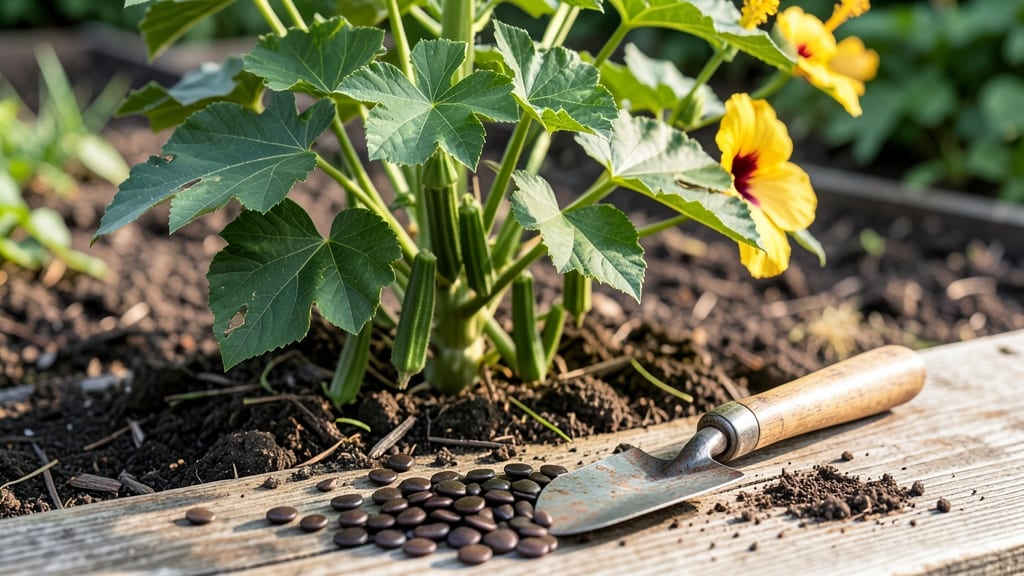
If you're dreaming of a bountiful okra harvest this summer, when to plant okra seeds in Oklahoma is the key to success in the state’s 6a–8a zones.
Planting too soon risks frost damage, while waiting too long may leave you scrambling for pods as temperatures soar—both mistakes can leave your garden feeling like a missed opportunity.
Okra thrives in heat, but it needs warm soil to germinate properly, which is why late April to early June is the sweet spot for most Oklahoma gardeners.
That means waiting until after your last frost date—typically around March 15 in southern zones and closer to April 15 in the north—to give those seeds the warmth they crave.
Once you've got the timing down, the next challenge is choosing the right varieties and preparing your soil for Oklahoma's intense summer conditions. I'll walk you through the best heat-resistant okra types and how to create the perfect growing environment so your plants grow tall and productive.
From spacing your seeds correctly to managing water in our often-dry climate, these tips will help you avoid common pitfalls and enjoy fresh okra from July right through October. Let's make this your most successful growing season yet!
Exact weeks after last frost for Oklahoma okra planting (by region)
Oklahoma’s three distinct climate zones mean your okra planting window should align with your region’s last frost date. Northern Oklahoma (USDA Zone 6a-7a) has a later frost risk, while Southern Oklahoma (Zone 8a) can start planting weeks earlier.
Understanding these exact weeks after last frost ensures your okra thrives in the heat.
For Northern Oklahoma (e.g., Tulsa, Oklahoma City), the average last frost date is April 15. This means you should wait 4-6 weeks after to plant okra seeds directly in the ground. Aim for May 15-30, when soil temperatures consistently reach 60°F or higher.
In Central Oklahoma (e.g., Lawton, Stillwater), the last frost typically occurs around April 1-15. Plant okra seeds 3-5 weeks after this date, ideally between May 1-15. This timing allows seedlings to establish before summer’s intense heat arrives.
Southern Oklahoma (e.g., Ardmore, Altus) enjoys an earlier last frost around March 15-30. Here, you can plant okra seeds as early as April 15, giving your plants a head start. However, avoid planting too early—soil must be warm to prevent seed rot.
| Region | Avg. Last Frost | Weeks After Frost | Ideal Planting Window | Soil Temp Requirement |
|---|---|---|---|---|
| Northern OK (Zone 6a-7a) | April 15 | 4-6 weeks | May 15-30 | 60°F+ |
| Central OK (Zone 7a-7b) | April 1-15 | 3-5 weeks | May 1-15 | 60°F+ |
| Southern OK (Zone 8a) | March 15-30 | 2-4 weeks | April 15-May 1 | 60°F+ |
🌱 Pro Tip: Use a soil thermometer to confirm warmth before planting.
Okra seeds should never be planted before the soil reaches 60°F. Cold soil causes seeds to rot or fail to germinate. If you’re unsure about your local frost dates, check the Oklahoma Mesonet or your local Cooperative Extension office for precise data tailored to your county.
For gardeners in higher-elevation areas (e.g., near the Ozark Mountains), add an extra 1-2 weeks to your planting timeline. Cooler microclimates delay soil warming, so monitor conditions closely. Planting too early in these areas often leads to poor germination rates.
Once planted, okra grows rapidly in Oklahoma’s heat. Expect seedlings to emerge in 5-10 days if soil conditions are ideal. Thin seedlings to 12-18 inches apart to ensure each plant has enough space to develop strong stems and abundant pods.
If you miss the ideal window, don’t panic! Okra is heat-tolerant and can handle up to 100°F temperatures. You can plant a second crop in late June for a fall harvest, but avoid planting after August 15—pods may not mature before the first frost in November.
Always choose a sunny, well-draining spot for your okra. In Oklahoma’s clay-heavy soils, amending with compost or sand improves drainage and prevents root rot. Mulch around plants to retain moisture and regulate soil temperature during extreme heat.
By following these region-specific planting guidelines, you’ll maximize your okra’s potential and enjoy a bountiful harvest from July through October. Happy gardening! 🌿
Best heat-resistant okra varieties for Oklahoma’s climate & how to choose
Oklahoma’s sweltering summers demand okra varieties that thrive in 90°F+ temperatures and humid conditions. Not all okra performs equally here—some varieties wilt under heat stress, while others produce abundant pods even in drought-like conditions. Choosing the right variety ensures a reliable harvest from July through October.
My top recommendation for Oklahoma gardeners is ‘Emerald’ okra, a disease-resistant variety that handles heat exceptionally well. It produces smooth, glossy pods (2-3 inches long) and matures in just 50-60 days, making it perfect for our short growing season.
Another favorite is ‘Clemson Spineless’, which tolerates high humidity and produces heavy yields even in clay-heavy Oklahoma soils.
For gardeners in Southern Oklahoma’s Zone 8a, consider ‘Burgundy’ okra. Its deep purple pods not only look stunning but also thrive in intense heat. In contrast, Northern Oklahoma gardeners (Zone 6a-7a) should opt for ‘Jumbo Red’, which matures slightly faster to escape early fall frosts.
🌱 Top 5 Okra Varieties for Oklahoma
- Emerald – Heat-tolerant, disease-resistant, 50-60 days to harvest
- Clemson Spineless – High yield, humidity-resistant, 60-70 days
- Burgundy – Deep purple pods, Southern OK favorite, 55-65 days
- Jumbo Red – Northern OK adaptable, fast-maturing, 60-75 days
- Blushing Beauty – Green-to-purple pods, drought-tolerant, 50-60 days
💡 Pro Tip: Buy seeds from regional suppliers like Johnny’s Selected Seeds or Baker Creek Heirloom Seeds for varieties bred to perform in Oklahoma’s climate.
When selecting okra, prioritize heat tolerance and disease resistance over pod color or size. Oklahoma’s humid summers create ideal conditions for fungal diseases like powdery mildew, so varieties with natural resistance (like ‘Emerald’) are worth the investment.
Avoid varieties marketed as "early maturing" unless they’re specifically labeled for short-season gardens—many fail to produce in Oklahoma’s heat.
For container gardening in urban Oklahoma areas, choose compact varieties like ‘Blushing Beauty’, which stays under 4 feet tall and fits well in 5-gallon pots.
If you’re growing okra in raised beds, taller varieties like ‘Clemson Spineless’ perform better due to improved air circulation and reduced soil compaction.
Always check the seed packet’s days-to-maturity and calculate backward from your first expected frost date (typically November 15).
For example, if you plant ‘Emerald’ okra (50 days to harvest) on May 15, your pods should mature by July 4, giving you a 3-month harvest window before fall frosts arrive.
Finally, consider succession planting with heat-resistant varieties. Plant a second crop in late June for a fall harvest, using ‘Jumbo Red’ or ‘Burgundy’ for their faster maturity rates. This strategy extends your harvest into October while maximizing your garden’s potential.