
Plants
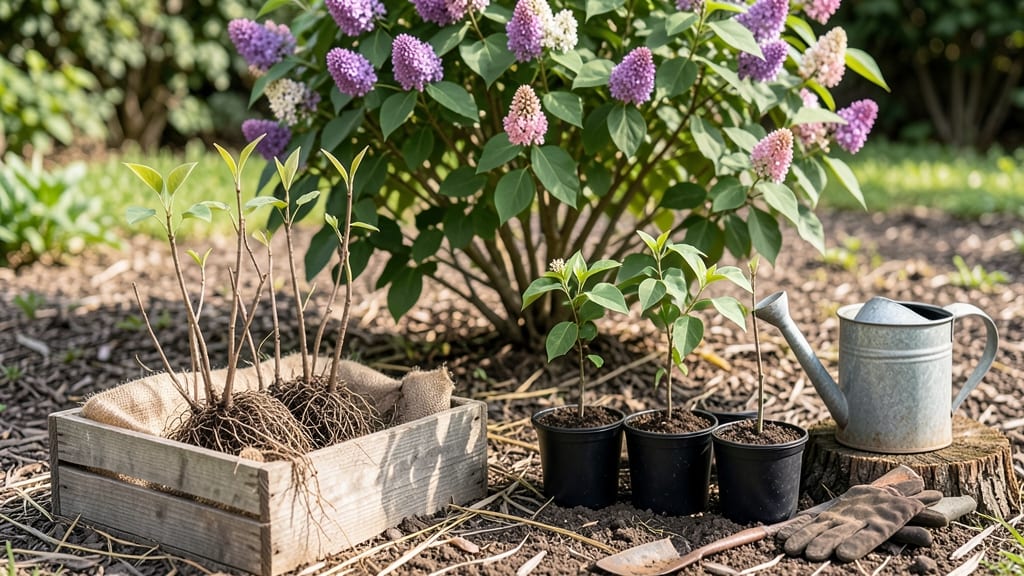
Timing your lilac bushes planting in Wisconsin isn’t just about the calendar—it’s about outsmarting those sneaky spring frosts that can turn your 🌸 dreams into a sad, stunted shrub. With Zone 4a-5b’s unpredictable weather, getting the window right means the difference between a thriving fragrance garden and years of disappointment.
Most gardeners assume early spring is the only option, but Wisconsin’s climate actually gives you two golden opportunities—each with its own tricks to beat the frost.
Whether you’re planting bare-root lilacs in April or giving fall a shot in September, local frost dates and soil prep make all the difference. Let’s cut through the guesswork and get your lilacs rooted in the ground when they’ll truly thrive.
You’ve probably heard “plant after the last frost,” but in Wisconsin, that’s easier said than done—Madison’s last frost can hit May 15, while Green Bay might still see surprises in early June.
The key isn’t just waiting; it’s preparing your soil, choosing the right variety, and knowing when to protect young plants from late cold snaps. I’ll walk you through each step so your lilacs get off to a strong start.
By the end, you’ll know exactly when to dig in your lilacs for maximum blooms—and how to adjust if Mother Nature throws you a curveball. Because in Wisconsin, the best time to plant isn’t just “spring” or “fall”—it’s strategic.
Let’s make sure your 🌸 bush becomes the star of your yard, not a frost casualty.
Best planting windows for Wisconsin lilacs: month-by-month frost-free guide
Wisconsin’s Zone 4-5 climate demands precision when planting lilac bushes—timing can mean the difference between a thriving shrub and one that struggles to survive. The ideal planting window spans April through early May, but local frost patterns complicate things.
Let’s break down the safest months and how to adjust for Wisconsin’s microclimates.
For most of Wisconsin, the last average frost date falls between mid-April and early May. However, regions like Green Bay often see later frosts than Madison, so always check your local USDA Plant Hardiness Zone map.
Planting too early risks frost damage, while waiting too long delays root establishment.
Here’s what you need to know about planting lilacs in Wisconsin’s most critical months:
| Month | Planting Viability | Frost Risk | Wisconsin-Specific Notes |
|---|---|---|---|
| March | Risky (early bloomers may emerge) | High (late frosts common) | Only for container-grown lilacs in sheltered microclimates (e.g., Madison’s urban areas). |
| April | Ideal (after last frost) | Low (post-frost period) | Best choice for bare-root lilacs—soil warms enough for root growth. |
| May | Good (late bloomers thrive) | None (safe for all regions) | Ideal for Green Bay/Milwaukee where frosts linger longer. |
| June | Poor (limited root establishment) | None | Only for container-grown lilacs if soil is kept consistently moist. |
| September–October | Alternative (fall planting) | Low (pre-first frost) | Best for northern Wisconsin—lilacs establish roots before winter. |
If you’re planting in April or early May, aim for the second half of April when soil temperatures consistently stay above 40°F. Use a soil thermometer to confirm—roots need warmth to grow.
For container-grown lilacs, you have slightly more flexibility, but bare-root plants must be in the ground before buds swell.
Wisconsin’s northern regions (Zone 4a) like Eau Claire or Wausau should wait until late April or early May, while southern areas (Zone 5b) like Milwaukee can plant as early as mid-April. Check your local Cooperative Extension Service for precise frost dates.
Pro tip: Plant lilacs on a slight slope to improve drainage—Wisconsin’s clay-heavy soils can cause root rot if water pools. Amend the soil with compost or sand to prevent soggy conditions. Always water deeply after planting to encourage root spread.
For container-grown lilacs, you can plant up to June, but prioritize April–May for the best root establishment. If you’re in a microclimate with late frosts (e.g., near a lake), opt for hardier varieties like ‘Dwarf Korean’ lilacs, which tolerate cooler soils better.
Remember: Lilacs planted in spring will bloom the following year, while fall-planted lilacs may bloom in 2–3 years. Plan accordingly if you’re impatient for those fragrant blooms! 🌸
Best planting windows for Wisconsin lilacs: month-by-month frost-free guide
Wisconsin’s Zone 4a-5b climate gives you two prime windows to plant lilacs—early spring and fall—but timing is everything. The ideal window is after the last frost (typically mid-April to early May), but your exact timing depends on your region.
In Madison, you might plant by May 1, while Green Bay could wait until May 15.
Spring planting is the most popular choice because it gives lilacs 6-8 weeks of warm soil before summer heat. However, fall planting (late August to September) can actually give your lilacs a head start—roots establish before winter dormancy, leading to bigger blooms next spring.
Here’s the breakdown of Wisconsin’s frost-free planting timeline, including regional adjustments:
🌸 Wisconsin Lilac Planting Timeline
| Region | Last Frost Date | Best Spring Planting Window | Fall Planting Window |
|---|---|---|---|
| Southern WI (Milwaukee) | April 15 | April 20 - May 10 | September 1 - October 1 |
| Central WI (Madison) | April 25 | May 1 - May 15 | September 10 - September 25 |
| Northern WI (Green Bay) | May 10 | May 15 - June 1 | September 1 - September 15 |
If you’re planting in late May, choose hardier varieties like ‘Dwarf Korean’ or ‘Miss Kim’—they handle Wisconsin’s late frosts better. For fall planting, aim to get lilacs in the ground 6 weeks before the first frost (usually mid-October), so roots establish before winter.
Pro tip: Use a frost cloth if planting early spring and a late frost hits. Cover young lilacs for 2-3 nights to protect tender new growth. This simple step can save your lilacs from frost damage and ensure they thrive for decades.
Remember, Wisconsin’s clay-heavy soil drains poorly, so amend with compost or sand before planting. Well-draining soil is critical—lilacs hate soggy roots! 🌱