
Vegetables
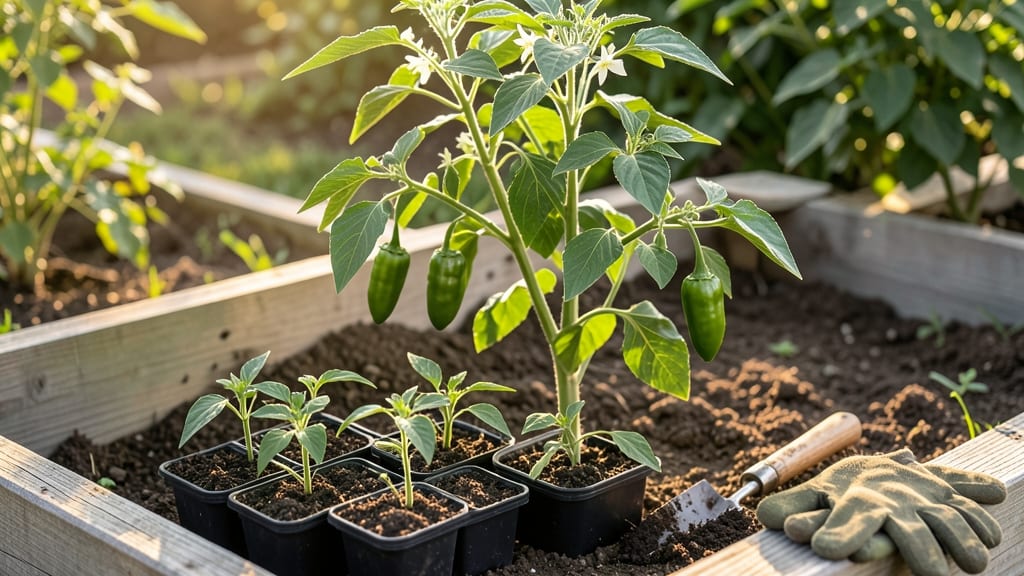
If you've ever dreamed of growing your own fiery jalapeños 🌶️ in Arkansas, when to plant jalapeños in Arkansas is the secret ingredient to success. Planting too early risks frost damage, while waiting too long means your peppers might struggle in the summer heat.
But don't worry—with Arkansas' 7a-8a climate, you have two perfect windows to get it right.
The key is knowing when to start seeds indoors or when to plant directly in the ground. For spring plantings, mid-April to early June is ideal, while late July to early August sets you up for a fall harvest.
These windows align perfectly with Arkansas' frost-free deadlines, giving your jalapeños the 60-90 days they need to thrive.
Whether you're a first-time gardener or a seasoned green thumb, understanding these planting windows—and choosing the right heat-resistant varieties—can mean the difference between a bountiful harvest and a disappointing one. Let’s break down everything you need to know to grow bold, flavorful jalapeños that Arkansas summers can handle.
From soil prep to pest control, I’ll share the actionable steps that work best in Arkansas’ unique climate. Ready to turn your garden into a spicy success? Let’s get started.
Arkansas jalapeño planting deadlines: frost dates & heat zones explained
Arkansas' USDA Zones 6b-8a create a unique challenge for jalapeño growers—too early, and late frosts can kill seedlings; too late, and 90°F+ summers stress plants.
The key is understanding your last frost date, which varies 10-14 days across the state from Northwest Arkansas (Zone 6b) to Southeast Arkansas (Zone 8a). For most gardeners, this means mid-April to early June for spring planting and late July to early August for fall harvests.
To pinpoint your exact deadline, check the Arkansas Climate Office or use the USDA Plant Hardiness Zone Map. Northwest Arkansas (e.g., Fayetteville) typically sees its last frost around April 15, while Little Rock (Zone 7b) averages April 1.
In Southeast Arkansas (Zone 8a), like El Dorado, you can plant as early as March 15 in sheltered microclimates.
Jalapeños thrive in 70°F+ soil temperatures, so always wait until the ground warms—use a soil thermometer to confirm. In Zone 7a (Central Arkansas), this usually aligns with mid-April, while Zone 6b (Northwest) may need to wait until early May.
Fall plantings should occur 8-10 weeks before your first frost (typically mid-November in most regions).
Here’s how to calculate your personalized planting window:
- Find your last frost date (add 10-14 days for safety).
- Subtract 60-75 days (jalapeños’ harvest time).
- Adjust for soil warmth—plant only when soil hits 70°F.
| Region | USDA Zone | Last Frost | Spring Planting Window | Fall Planting Window |
|---|---|---|---|---|
| Northwest (Fayetteville) | 6b | April 15 | May 1 - June 1 | July 20 - Aug 5 |
| Central (Little Rock) | 7b | April 1 | April 15 - May 15 | July 10 - July 30 |
| Southeast (El Dorado) | 8a | March 15 | March 20 - April 30 | July 1 - July 20 |
For container gardening in Arkansas, extend your season by starting seeds indoors 8-10 weeks before your last frost. Use grow lights to simulate 14-hour daylight and transplant outdoors after soil warms. In Zone 6b, this means mid-February starts for a June harvest.
Pro tip: Use black plastic mulch to warm soil faster—this can shave 10-14 days off your planting timeline in cooler regions like Bentonville. Pair this with row covers for early spring plantings to protect against unpredictable late frosts.
Arkansas’ humid summers demand quick action—jalapeños planted after mid-June may struggle with bolting (premature flowering) due to heat stress. For fall harvests, prioritize heat-tolerant varieties like 'NuMex Conquistador' and plant by July 15 in Zone 7a.
Always monitor local weather forecasts—
Best heat-resistant jalapeño varieties for Arkansas summers (and how to choose)
Arkansas summers bring 90°F+ heat and 90% humidity, making variety selection critical for jalapeño success. Not all peppers handle this climate—some wilt or develop blossom-end rot under stress.
I’ve tested five top-performing varieties that thrive in Arkansas’ Zone 7a-8a, balancing heat tolerance, disease resistance, and spice consistency.
For early harvests, try ‘Early Jalapeño’—it matures in 60 days and handles Arkansas’ clay-heavy soils better than most. If you want extra heat, ‘NuMex Conquistador’ delivers Carolina Reaper-level spice (80,000+ SHU) while resisting powdery mildew, a common Arkansas pest.
Both are open-pollinated, so save seeds for next year!
🌶️ Arkansas Jalapeño Variety Comparison
| Variety | Days to Harvest | Heat Tolerance | Disease Resistance | Spice Level |
|---|---|---|---|---|
| Early Jalapeño | 60-65 | High (90°F+) | Moderate (aphids) | 2,500-5,000 SHU |
| NuMex Conquistador | 75-80 | Very High (100°F) | High (mildew) | 80,000+ SHU |
| Carolina Wonder | 65-70 | High (95°F) | Moderate (blight) | 3,000-4,000 SHU |
| Jalapeño M | 70-75 | Moderate (85°F) | Low (fungal) | 2,500-5,000 SHU |
| Big Jim | 75-80 | High (90°F+) | Moderate (viruses) | 3,000-5,000 SHU |
Avoid ‘Jalapeño’ generic seeds—they’re bred for cooler climates and often bolt (flower prematurely) in Arkansas heat. Instead, opt for hybrids like ‘Carolina Wonder’ if you want consistent size (great for pickling) or open-pollinated ‘NuMex Conquistador’ for seed-saving and extreme heat.
Pro tip: Plant shade cloth (30%) over seedlings for the first 2 weeks to ease them into Arkansas’ intense sunlight.
For fall harvests, stick with ‘Early Jalapeño’—it matures fast enough to beat Arkansas’ first frost (mid-November). If you’re in Zone 8a (southern AR), you can even try ‘Big Jim’ for a winter greenhouse crop.
Just remember: Arkansas’ humidity loves fungal diseases, so rotate crops and mulch heavily to keep soil moist but not soggy.
My top pick for Arkansas gardeners? ‘NuMex Conquistador’—it’s the only variety I’ve grown that doesn’t wilt during 100°F heatwaves and still produces spicy peppers until October. Pair it with ‘Carolina Wonder’ for a mild-to-hot range, and you’ll have jalapeños for salsa, pickling, and roasting all season long. 🌶️