
Plants
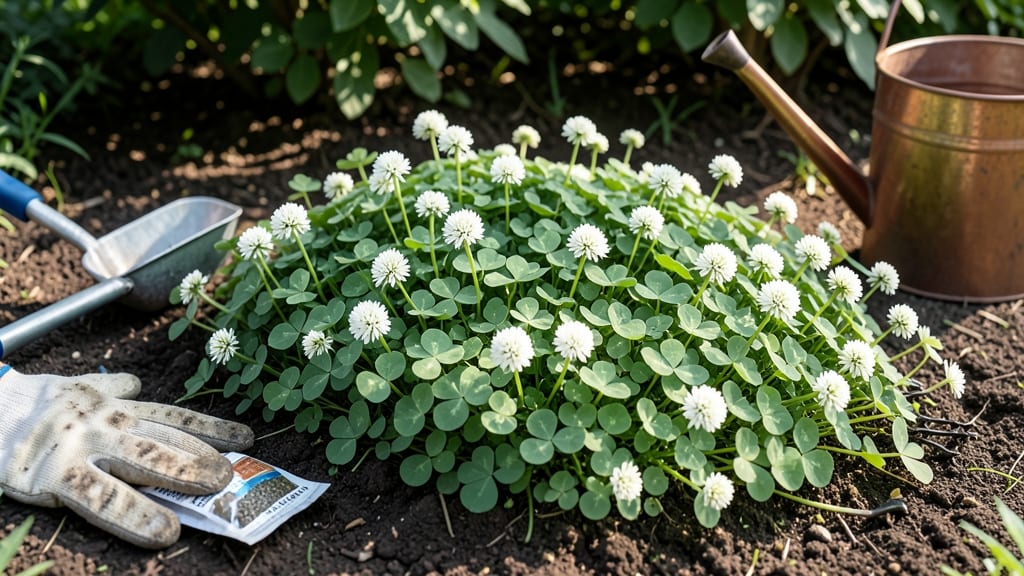
If you're wondering when to plant clover in Maryland, timing is everything—and getting it wrong could mean wasted seeds and missed opportunities for a lush, pollinator-friendly lawn.
Maryland’s unique 7a-7b zones mean frost dates vary slightly between coastal and inland areas, so knowing the exact window makes all the difference.
For spring planting, aim for early March to April, once soil temperatures hit 50°F and the last frost has passed (usually mid-April). Fall planting works too—September to October gives clover roots time to establish before winter dormancy.
Whether you're restoring soil, creating a bee-friendly lawn, or growing for livestock, these windows are your best bet for success.
But here’s the catch: Maryland’s microclimates matter. Coastal areas like Annapolis stay warmer longer, while inland spots near Frederick might need to wait a few extra days. We’ll break down the exact frost-free timeline by zone so you can plant with confidence—and avoid the heartbreak of frost-nipped seedlings.
Ready to transform your yard? I’ll walk you through soil prep, companion planting, and even how to outsmart weeds so your clover thrives from the first green shoot. Let’s get started.
Maryland clover planting timeline by hardiness zones (5b, 6a, 7a)
Maryland’s clover planting success hinges on understanding your USDA hardiness zone—whether you’re in Zone 5b (northern regions like Baltimore County), Zone 6a (central areas like Frederick), or Zone 7a (southern areas like Calvert County).
Each zone has slightly different last frost dates and soil warming patterns, which directly impact when you should sow clover seeds for optimal germination.
For Zone 5b, aim to plant after April 15th when soil temperatures consistently reach 50°F (10°C).
In Zone 6a, you can start as early as March 20th in protected microclimates, while Zone 7a gardeners have the longest window, often starting by March 1st in coastal areas like Annapolis. These dates align with Maryland’s average last frost dates from USDA climate data.
Fall planting is equally critical—sow white Dutch clover or red clover between September 1st and October 15th across all zones to establish roots before winter dormancy. This timing ensures your clover outcompetes weeds and survives Maryland’s first frost, typically arriving in mid-November.
| Zone | Last Frost Date | Spring Planting Window | Fall Planting Window | Soil Temp Threshold |
|---|---|---|---|---|
| 5b (Baltimore County) | April 20 | April 15–May 15 | September 1–October 15 | 50°F (10°C) |
| 6a (Frederick) | April 10 | March 20–April 30 | September 1–October 15 | 50°F (10°C) |
| 7a (Calvert County) | March 25 | March 1–April 15 | September 15–October 30 | 50°F (10°C) |
🌱 Note: Coastal areas (e.g., Chesapeake Bay) may plant 2–3 weeks earlier due to milder microclimates.
Maryland’s microclimates play a huge role—urban areas like Baltimore City experience urban heat islands that can warm soil faster, while rural Western Maryland may need to wait until May 1st for safe planting. Always check a local weather station or Maryland Climate Hub for real-time updates before sowing.
For white clover, which is popular for lawns, plant in early spring when soil is workable but not waterlogged. Red clover, often used for soil restoration, thrives with fall planting because its deep roots establish better before winter.
Both varieties benefit from light raking to expose mineral soil before seeding.
Pro tip: Use a soil thermometer to confirm 50°F (10°C) soil temps—this is your green light to plant. Clover seeds germinate poorly in cold soil, so patience here pays off with faster establishment and denser coverage by summer.
If you’re planting clover for pollinators, prioritize early spring to give bees and butterflies a continuous nectar source. For livestock forage, fall planting often yields higher protein content the following spring.
Always adjust for your specific Maryland county’s frost history—check the Maryland Department of Agriculture for localized data.
Remember: Overseeding in late summer (August) can also work but requires consistent moisture to prevent seed desiccation. This method is ideal for repairing thin lawns or suppressing weeds before winter.
🌿
Spring vs. fall planting: which works best for Maryland’s climate?
Maryland’s moderate climate offers two prime windows for planting clover: early spring and early fall. But which season gives you the best germination rates and long-term success? Let’s break down the pros and cons based on local frost dates and soil conditions.
Spring planting (March–April) aligns perfectly with Maryland’s last frost date, typically around mid-April. The soil warms quickly, and clover seeds germinate faster in 50–60°F soil. However, late spring plantings risk drought stress as summer heat arrives, so consistent watering is critical.
Fall planting (September–October) offers cooler temperatures and reduced weed competition. Clover establishes roots before winter, giving it a head start in spring growth. But planting too late (after mid-October) risks frost damage before seeds sprout.
Spring Planting
- Faster germination in warming soil
- Longer growing season before winter
- Better for pollinators early in the year
- Risk of drought if summer arrives early
- Weed competition peaks in late spring
- Requires more watering to establish roots
Fall Planting
- Cooler soil reduces weed pressure
- Established roots before winter
- Less watering needed in fall
- Limited time before frost arrives
- Slower early growth in spring
- Risk of frost damage if planted too late
For best results, I recommend spring planting in Zone 7a (most of Maryland) and fall planting in Zone 6a (western Maryland). Test your soil temperature with a thermometer—aim for 50°F+ for spring and 60°F+ for fall to ensure strong germination.
Pro tip: If you’re overseeding an existing lawn, spring planting gives clover a competitive edge against grass. For bare soil, fall planting often yields denser coverage by next spring.