
Plants
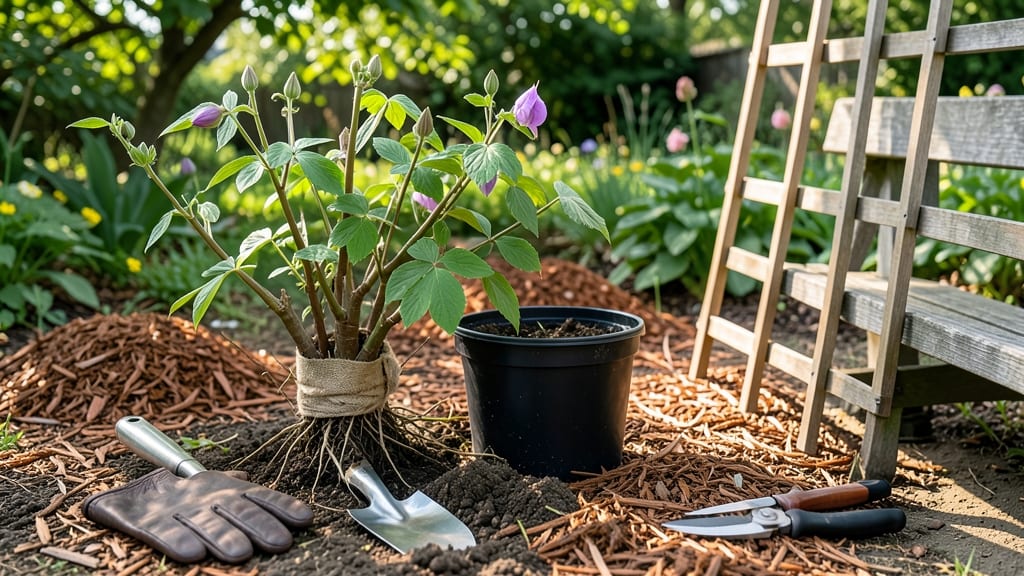
Timing your clematis planting in Colorado isn’t just about the calendar—it’s about surviving the state’s dramatic temperature swings and elevation shifts. At 5,000 feet in Denver, last frost might hit April 15, while high-altitude gardens near 10,000 feet could face late snow until May.
Plant too early, and your 🌸 clematis could rot in cold, soggy soil. Wait too long, and you risk stunted growth before summer’s heat sets in. The sweet spot? Early spring (March–April) or early fall (September–October)—but with a twist: Colorado’s microclimates demand flexibility.
Whether you’re gardening in the Front Range’s urban heat islands or the Rocky Mountains’ alpine slopes, knowing your exact USDA Zone (5–7) and local frost patterns is the key to thriving vines. I’ll break down the precise deadlines you need to avoid frost damage and maximize blooms.
Ready to turn your Colorado garden into a clematis paradise? Let’s dive into the elevation-specific rules that’ll keep your vines happy year-round.
Colorado clematis planting deadlines by elevation Zone (with frost risk charts)
Colorado’s elevation-driven climate creates dramatic differences in clematis planting windows. At 5,000 feet (Denver), last frost averages April 15, while 10,000 feet (Mountain regions) can see frost until June 1. These deadlines ensure your vines establish roots before winter’s bite—critical for Zone 5-7 hardiness.
For Front Range gardeners (e.g., Denver, Boulder), aim to plant March 15-April 30 for spring or September 1-15 for fall. High Plains (e.g., Colorado Springs) shift slightly later: April 1-May 15 spring or September 15-October 1 fall. Mountain regions (e.g., Aspen, Breckenridge) require patience—wait until May 15-June 15 for spring planting.
Microclimates add complexity. Urban heat islands (like downtown Denver) may warm 10°F warmer than rural areas, while alpine slopes can delay planting by 4-6 weeks. Always check your local frost dates via Colorado State University’s frost maps or Almanac.com for precision.
| Elevation Zone (ft) | USDA Zone | Spring Planting Window | Fall Planting Window | Last Frost Avg. |
|---|---|---|---|---|
| 5,000-6,000 | Zone 6 | March 15 - April 30 | September 1 - September 15 | April 15 |
| 6,000-7,500 | Zone 5-6 | April 1 - May 15 | September 15 - October 1 | April 30 |
| 7,500-9,000 | Zone 5 | May 1 - June 15 | October 1 - October 15 | May 15 |
| 9,000-10,000 | Zone 4-5 | June 1 - July 1 | September 1 - September 15 | June 1 |
*Adjust dates 1-2 weeks earlier for urban heat islands, later for alpine microclimates.
Fall planting offers cooler soil temperatures and reduced transplant shock, but must finish 6-8 weeks before first frost. In Zone 5 (e.g., Fort Collins), this means no later than October 1. For containers, extend fall planting to October 15—pots insulate roots better.
Soil prep is non-negotiable. Amend clay-heavy soils (common in High Plains) with compost and sand to improve drainage. Test pH—clematis thrives in 6.5-7.0.
In Mountain regions, add organic matter to compensate for thin, rocky soil. Mulch with 3-4 inches of straw to retain moisture and regulate temperature.
Pro tip: Use a soil thermometer to confirm 50°F+ soil temps before planting. In Denver’s urban core, sidewalks and buildings can create microclimates 5-10°F warmer than suburbs—plant 2 weeks earlier in these zones.
For high-altitude gardens, opt for hardy varieties like ‘Jackmanii’ or ‘Niobe’ to offset shorter growing seasons.
Remember: Clematis roots need consistent moisture to establish. In dry Front Range summers, drip irrigation is your best friend. Water deeply 2-3 times per week after planting until roots are 6 inches deep (typically 4-6 weeks).
✅ Key Takeaway: Colorado’s elevation zones dictate planting deadlines. Front Range gardeners plant March-April or September, while Mountain regions wait until May-June. Always adjust for microclimates—urban areas warm faster, alpine zones lag behind. With the right timing, your clematis will thrive despite Colorado’s unpredictable weather.
How to adjust planting dates for Colorado’s unpredictable spring weather patterns
Colorado’s spring weather is famously fickle—one day it’s 60°F sunshine, the next, a snowstorm hits. For clematis, this unpredictability means rigid planting deadlines won’t cut it.
If you plant too early in March, late frosts can kill tender roots. Wait until May, and your vine might bolt before establishing strong roots.
The key is soil temperature, not just air temperature. Clematis roots thrive when soil hits 50°F. Use a soil thermometer to confirm readiness—especially in high-altitude zones where cold lingers. In Denver (Zone 5), aim for mid-April; in Durango (Zone 6), wait until late April.
🌱 Pro Tip: If spring stays cold, opt for container planting. Pots warm faster than ground soil, giving you a 2–3 week head start on the season. Just ensure your container has drainage holes to prevent root rot.
⚠️ Callout Warning: The False Spring Trap
Colorado’s San Juan Mountains are notorious for false springs—warm spells followed by hard freezes. If you plant clematis too early in March and see new growth, cover with frost cloth or delay until after May 15.
🌡️ Watch for: Nighttime temps dropping below 32°F after a warm day.
Mulching is your secret weapon against temperature swings. Apply 3–4 inches of mulch (straw or shredded bark) around your clematis after planting. This insulates roots in cool springs and retains moisture during dry spells. Replenish mulch in fall to protect against early frosts.
For high-elevation gardens (7,000+ feet), consider fall planting instead. September–October soil is still warm, giving roots time to establish before winter. Choose hardy varieties like ‘Jackmanii’ or ‘Niobe’—they survive Zone 4 winters with minimal fuss.
💧 Watering Hack: If planting in late April and rains stall, water deeply every 5–7 days to encourage root growth. Avoid wetting foliage to prevent fungal diseases like powdery mildew.
Remember: Colorado’s microclimates can shift planting windows by weeks. Urban Denver gardens may be 5°F warmer than rural Front Range farms. Always scout your nearest weather station for local frost data—your neighbor’s timeline might not match yours!